
 By
By 
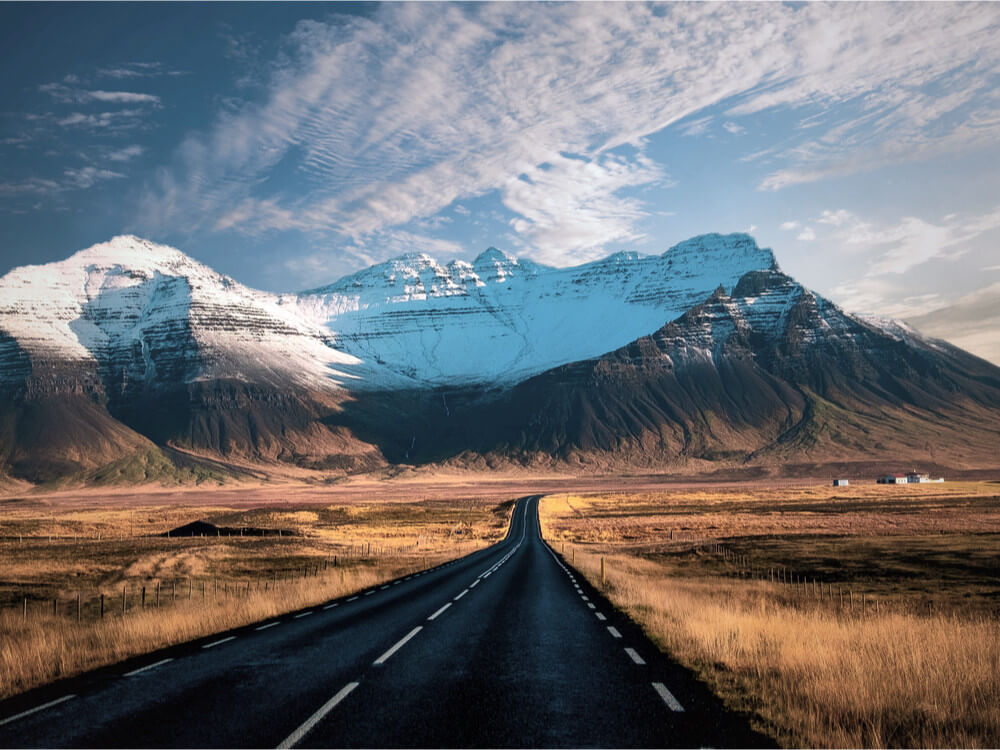
Imagine waking up to a glacier or waterfall in the background, climbing out of your tent into the crisp, clean Arctic air, or watching the Northern Lights dance above you. That’s what you can expect when you rent a rooftop tent for your Iceland adventure. Instead of plotting your trip around available hotels, you can plan around the moments, stopping wherever you see fit and staying as long as you wish. These are just some of the key benefits of renting a rooftop tent in Iceland, and why it’s becoming more popular.
In this article, we’ll cover:
- The main advantages of renting a rooftop tent
- The potential disadvantages to consider
- The best rooftop tents for Icelandic conditions
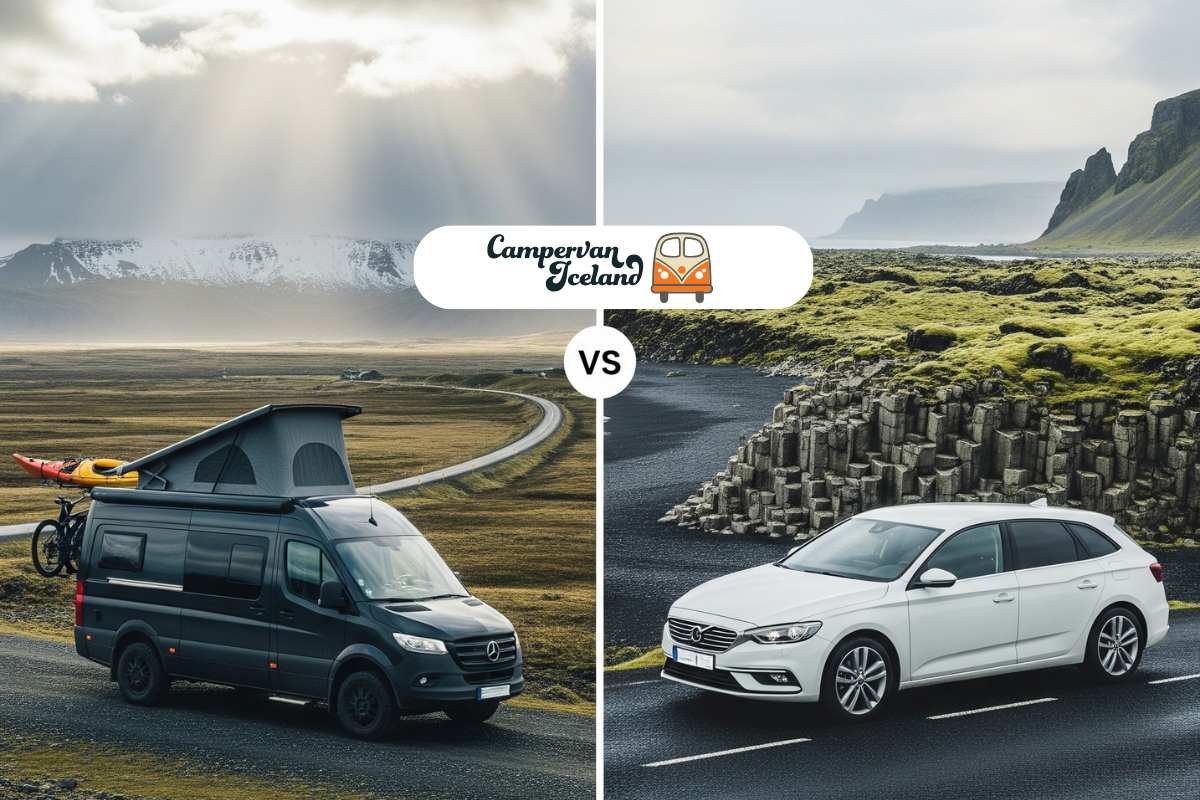
- Whether a rooftop tent or a campervan is better
- What happens in bad weather or rain
Why Rent a Rooftop Tent in Iceland?
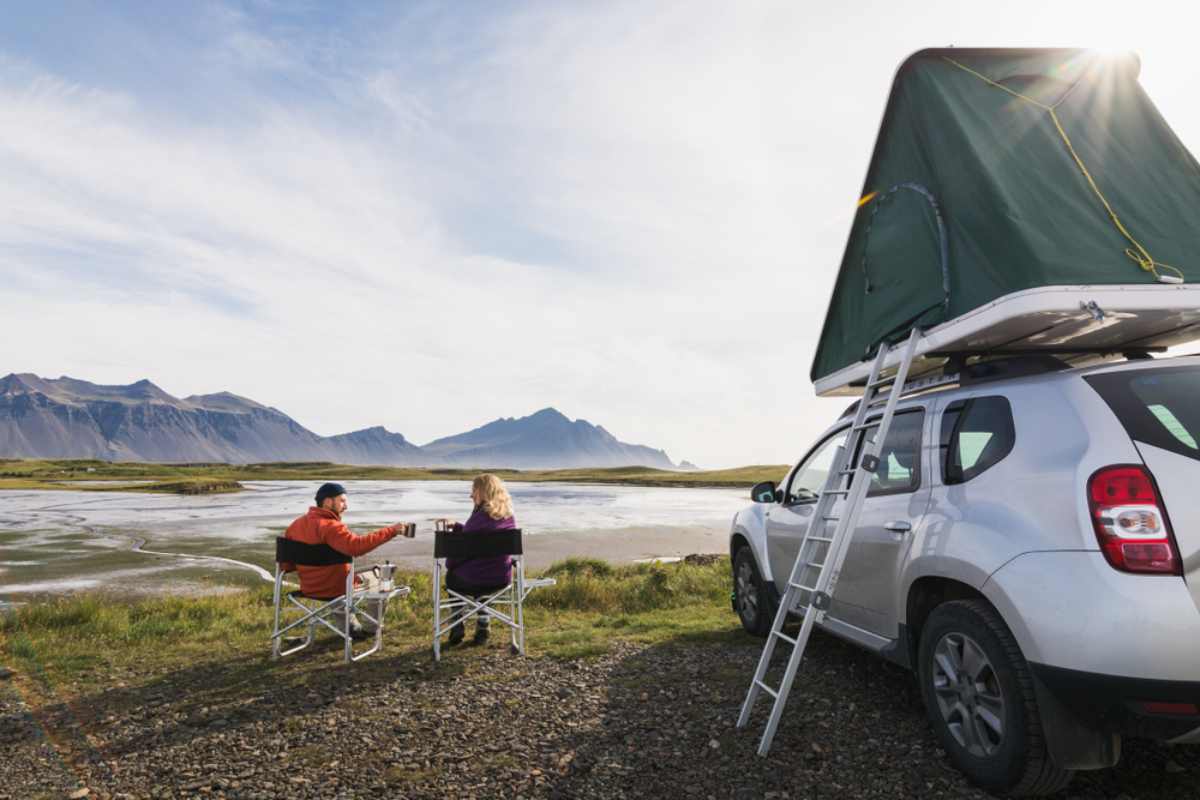
Campervans are a popular option for driving around Iceland, especially in the summer, but what about rooftop tents? Iceland is uniquely suited for traveling with a rooftop tent because of its large campsite network and dramatic, ever-changing landscapes. Having the ability to stop and stay near waterfalls, glaciers, volcanoes, and black sand beaches instead of looking for a nearby hotel enhances your overall experience.
Let’s explore the advantages and disadvantages, so you can make an informed decision.
Advantages of Renting a Rooftop Tent in Iceland
A rooftop tent is mounted on top of a normal vehicle, often a 4x4 vehicle that has more capabilities than a campervan. Since you’ll be combining your transportation and accommodations into one rental price, you’ll save money in the long run. The primary benefits of renting a rooftop tent in Iceland include:
- Maximum Flexibility: Iceland’s weather can change quickly. With a rooftop tent, you’re free to change direction on the fly. If it’s raining in the south, drive north instead.
- Lower Costs: Accommodations in Iceland are expensive, especially in summer. A rooftop tent combines transportation and accommodation into one cost.
- Quick and Easy Setup: Setup is less challenging than a traditional tent on the ground.
- More Comfort: Sleeping in a tent generally keeps you closer to the cold, wet ground. A rooftop tent is elevated with a thick mattress for greater comfort.
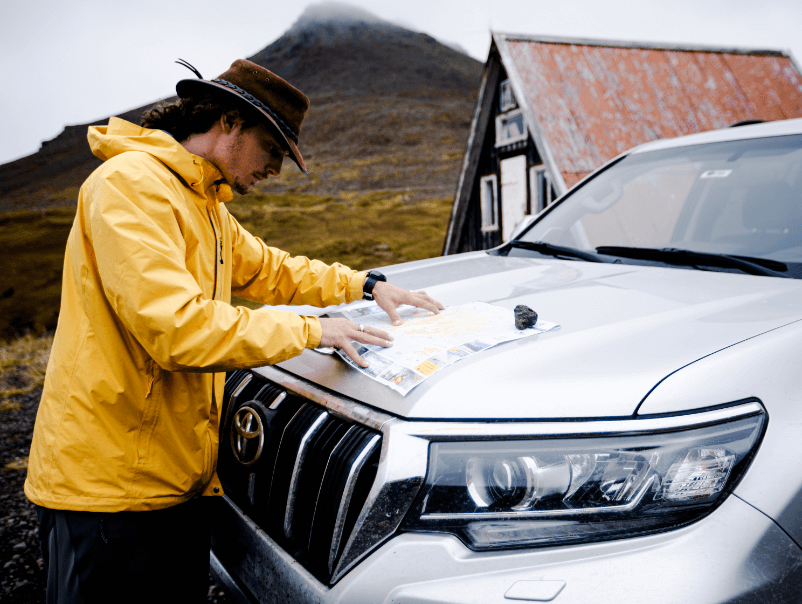
- Access to Remote Areas: With a 4x4 rooftop tent, you can drive on many F-roads and into the Highlands, allowing you to go where many tourists don’t.
- Closer Connection to Nature: You get to stay closer to Iceland’s natural wonders instead of in towns and near settlements for a more immersive, memorable experience.
- Less Planning Required: Most campgrounds in Iceland don’t take reservations. Instead of booking hotels months in advance, locking in your itinerary, you can travel on the fly.
Disadvantages of Renting a Rooftop Tent in Iceland
While there are plenty of advantages, it’s also helpful to be aware of the disadvantages to make an informed decision. Some of the downsides you should consider include:
- Less comfort than a hotel or campervan
- Greater exposure to the elements, especially wind and rain
- Not an ideal choice for those new to camping
- Still requires staying in campgrounds, no wild camping
For example, if you’re visiting in early spring or late autumn, a rooftop tent may be less comfortable due to colder nighttime temperatures. Similarly, you won’t have access to a private bathroom or cooking space inside your unit. If you want these perks, a campervan is a better choice. Understanding your comfort level with outdoor conditions is vital to your decision.
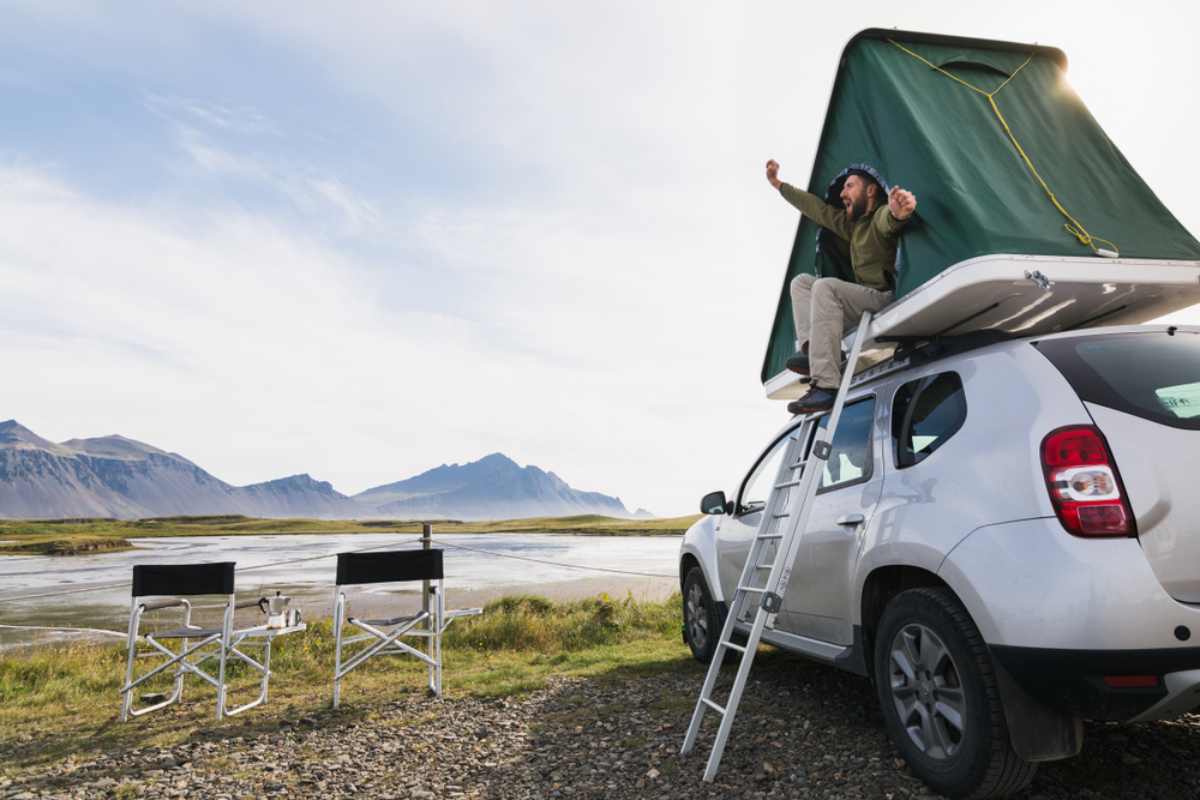
The advantages of renting a rooftop tent often outweigh the disadvantages, making it a great choice for visitors interested in camping who want to reach more remote destinations only accessible by a 4x4.
Best Rooftop Tents for Iceland
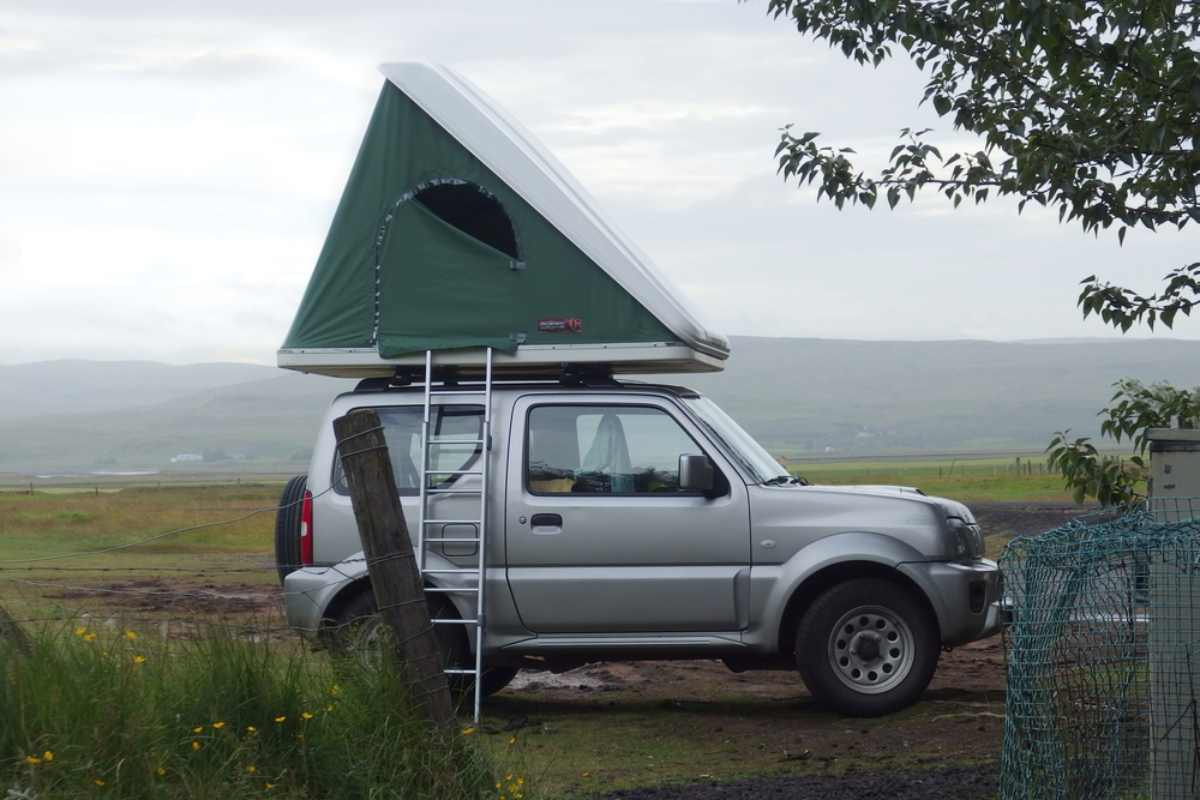
At Campervan Iceland, we have several rooftop tents in our fleet. Staying in a rooftop tent in Iceland means choosing one that holds up well in the high winds and wet weather common in the country. The tents fold down into a low-profile hard shell for improved aerodynamics while driving. They open and close faster than soft-shell models, improving setup, especially in rainy or cold conditions.
Our fleet includes high-quality, weather-resistant rooftop tents mounted on reliable car models, such as:
- Dacia Duster
- Suzuki Jimny
- Jeep Renegade
These vehicles are generally allowed on most F-roads, making them an excellent option if you’re interested in heading into the Highlands to camp in more remote areas. You’ll get all the capabilities of a 4x4 vehicle with the flexibility of camping.
Is a Rooftop Tent or a Campervan Better?
A lot of people talk about renting a campervan for their Iceland trip. While this is a good option for many people, there are situations where a rooftop tent can be the better choice. Part of the decision is personal preference, but there are certain factors you should consider, so you make the smartest choice for your needs, preferences, and budget.
|
Vehicle Type |
Better for: |
Trade-off |
|
Rooftop Tent |
Flexibility |
Less comfort |
|
Lower cost |
More exposure to the weather |
|
|
4x4 capabilities |
||
|
Campervan |
Warmth |
Higher costs |
|
Convenience |
Less agility on rough roads |
|
|
Poor weather conditions |
Ultimately, your choice comes down to your own travel priorities. If you’re more focused on adventure, flexibility, and reaching Iceland’s remote regions, a rooftop tent is the clear winner. However, if you value warmth, comfort, and convenience, particularly in unpredictable weather conditions, a campervan may offer a more relaxed experience. Rooftop tents are also generally better in the summer, while campervans are often a better choice in colder months.
What Happens to the Tent in Case of Bad Weather or Rain?
The rooftop tents we install on our models are built to withstand Iceland’s weather conditions, but there are limits to how much they can handle. Knowing the limits and when it may be best to avoid driving or stay in a hotel for the night can mean the difference between a safe, enjoyable trip and getting into a bad situation.
Rooftop tents generally handle the following conditions:
- Rain: These tents are waterproof and will keep you dry if they are set up correctly.
- Wind: Our high-quality tents stand up to most winds, but you may experience movement and noise.
- Extreme Weather: In strong wind gusts, we recommend finding a sheltered campsite and positioning your vehicle into the wind. In extreme wind, it’s never a good idea to open a rooftop tent, so consider a hotel for the night instead.
It’s important to plan for Iceland’s variable conditions when choosing campgrounds. Look for places with natural wind protection to improve your comfort level. As always, check the weather forecast and road conditions before you leave. High winds can create dangerous conditions quickly, especially for high-sided vehicles.
To further improve your comfort when sleeping in a rooftop tent, bring warm sleeping layers.
Is a Rooftop Tent Right for You?
Renting a rooftop tent for your Iceland trip gives you a unique blend of freedom, affordability, and adventure. You may not get the same level of comfort as you would in a hotel room or even a campervan, but you’ll get a more immersive experience, connecting more closely with Icelandic nature. Knowing the advantages, limitations, and best practices for a rooftop tent will help you make the best decision for your travel preferences.