
 By
By 
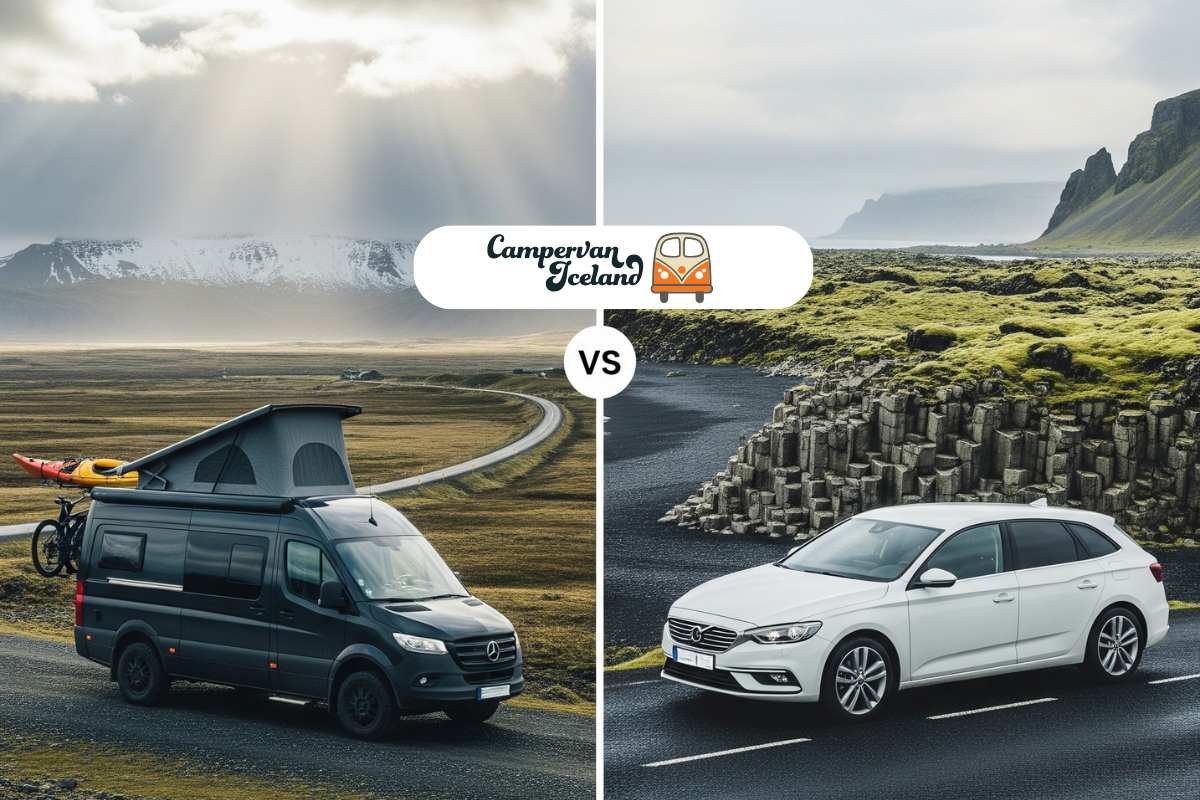
If you’re stuck on the campervan vs car rental Iceland debate, you’re not alone. We hear this question at pickup almost daily. Choosing between a campervan and a car in Iceland sounds simple until you start thinking about real-world issues like:
- Budget
- Season
- Route
- comfort tolerance
Those four decide everything and not Instagram or any travel forums. In this guide, we break the choice down into clear decision forks based on how people actually travel here. By the end, you will know which option fits your trip. Not maybe. Not if. A clear choice.
Quick Verdict - The 30-Second Answer
If you don’t want the full breakdown, here it is.
Choose Campervan If:
- You’re traveling June to August
- You are 2 or more people sharing costs
- You want maximum route flexibility
- You’re comfortable using campsites
- You’re cooking most of your meals
Choose Car + Accommodation If:
- You’re traveling December to March
- You need a private bathroom every night
- You want quieter, more predictable sleep
- You’re traveling with small children
- Your trip is 3 to 4 nights
|
Factor |
Campervan |
Car + Accommodation |
|
Cost Model |
One vehicle for transport and sleeping. Campsite fees apply. |
Separate rental + nightly lodging costs. |
|
Flexibility |
High. Change plans daily. Stay near attractions legally. |
Moderate. Bound to pre-booked stays. |
|
Comfort Level |
Functional. Shared bathrooms. Compact sleeping space. |
Higher comfort. Private room and bathroom. |
|
Driving Profile |
Taller vehicle. More wind-sensitive. |
Easier city driving. Lower wind exposure. |
|
F-Road Access |
Only proper 4x4 models allowed. |
4x4 SUV required for Highlands routes. |
|
Best For |
Summer trips, couples, budget groups. |
Winter trips, families, comfort-focused travelers. |
Total Cost - Where the Decision Usually Gets Made
Most debates around campervan vs car rental in Iceland collapse once you run full-trip numbers. The rental price alone tells you very little. A real cost comparison between a car and a campervan in Iceland only makes sense when you include accommodation, food, fuel, and extras.
Scenario A - 7 Days, 2 People, Summer
Peak season pushes guesthouse prices up quickly. Campsite fees remain relatively stable. Groceries average around $18-25 per person per day if you cook. Restaurant meals often cost $45-70 per person per meal.
|
Cost Item |
Campervan |
Car + Hotel |
|
Rental |
$900-1,200 |
$450-650 |
|
Accommodation |
Included |
$1,200-1,800 |
|
Campsites |
$140-210 |
- |
|
Groceries |
$250-350 |
- |
|
Fuel (1,200 km) |
$320-380 |
$220-280 |
|
Restaurants |
Minimal if cooking |
$900-1,400 |
|
Estimated Total |
$1,600-2,100 |
$2,800-4,100 |
If you are traveling in July or August and cooking most meals, the numbers typically lean toward the campervan.
If you plan to eat out daily and prefer private rooms every night, the cost gap narrows significantly.
Scenario B - 10 Days, 4 People
This is where scale changes everything.
|
Cost Item |
Campervan Total |
Per Person |
Car + Hotel Total |
Per Person |
|
Rental |
$1,800-2,400 |
$450-600 |
$900-1,200 |
$225-300 |
|
Accommodation |
Included |
- |
$3,600-5,000 (2 rooms) |
$900-1,250 |
|
Campsites |
$350-500 |
$90-125 |
- |
|
|
Groceries |
$500-700 |
$125-175 |
- |
|
|
Fuel (1,400-1,500 km) |
$400-500 |
$100-125 |
$260-350 |
$65–90 |
|
Restaurants |
Limited if cooking |
- |
$2,000-3,000 |
$500-750 |
|
Estimated Total |
$3,000-4,100 |
$750-1,025 |
$7,000-9,500 |
$1,750-2,375 |
For four people sharing one campervan, the per-person cost typically drops below most hotel-based setups.
For four people booking two rooms nightly and eating out regularly, accommodation becomes the dominant expense.
This is usually where the “is a campervan worth it in Iceland?” question answers itself.
When a Campervan Makes Financial Sense
Renting a camper van in Iceland makes financial sense when:
- You are traveling five nights or more
- You are at least two people
- You are traveling in summer
- You are cooking regularly
It usually does not make sense when:
- You’re staying 3 nights or less.
- You’re booking higher-end hotels anyway.
- You’re traveling solo on a short trip.
Comfort Reality - This Is Where Some People Regret It
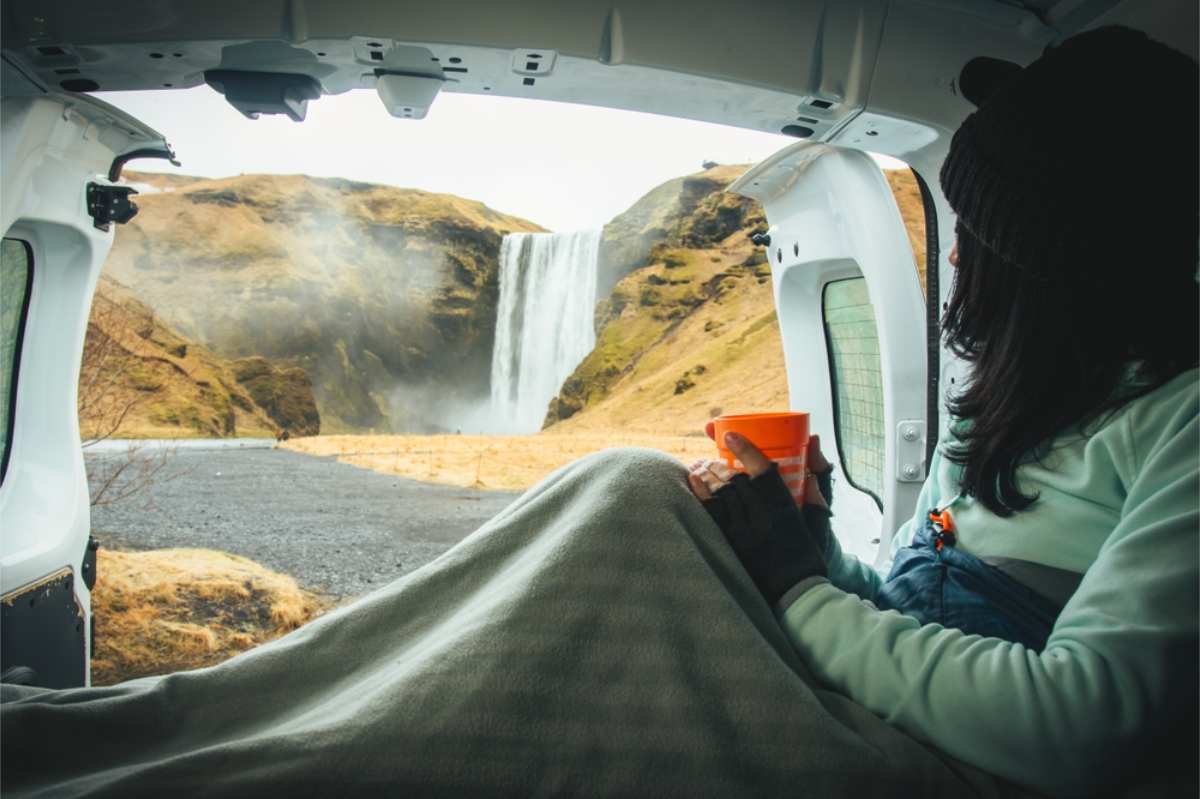
This is the part nobody thinks about during the booking phase. Campervan comfort in Iceland is practical, not luxurious. If you expect hotel insulation and private bathrooms, you will be disappointed. If you understand it is a compact, mobile base for a road trip, it works well. These are the real campervan pros and cons in Iceland, not the influencer version.
Sleep Realities
Wind rocking is normal, especially along exposed stretches of the Ring Road. You will feel movement on gusty nights. That is part of it.
Diesel heaters keep the interior warm, even when temperatures drop below freezing, but the walls are still thin. You hear wind. You hear rain. It is not silent.
Condensation builds if the airflow is poor. Crack vents. Keep light ventilation running. Otherwise, you wake up with damp windows and gear.
Bathroom and Hygiene
Compact campers do not have onboard bathrooms. You rely on registered campsites. Showers typically cost ISK 500 to 1,000 per person.
Night planning matters. If having a private bathroom anytime is essential, this will test your patience. Scout sites with 24/7 restrooms via apps like Park4Night to avoid midnight hikes in the rain.
Cooking Constraints
The kitchen setup handles basics. Two burners. Small fridge. Limited counter space. You cook efficiently, or you eat simply. Rain and wind require awareness when opening doors.

The Real Decision
Choose a campervan if you are adaptable, comfortable with shared facilities, and see the vehicle as part of the adventure.
Choose a car plus accommodation if private bathrooms, quiet sleep, and insulation from wind matter more than flexibility.
Campervan or Car Iceland: Logistical Differences That Actually Matter
When people decide between a campervan or car in Iceland, they usually mean flexibility. But in practice, this is about logistics too:
With a Campervan
You control where you sleep within the campsite network. If the weather shifts or a town is fully booked, you adjust without canceling accommodation.
You still need to:
- Drive to an open, registered campsite
- Arrive before facilities close in smaller locations
- Plan fuel and groceries
With a Rental Car + Accommodation
Your overnight location is fixed. That means:
- No searching for campsites at the end of the day
- No setup routine
- No concern about shower facilities
But it also means:
- You are tied to booked towns
- Weather shifts may not change your sleeping location
- Popular areas require advance reservations in summer
Legal Boundary
You cannot legally park and sleep anywhere in Iceland. Overnight stays must be at designated campsites or with landowner permission. Read more about wild camping here.
The Practical Decision
If adjusting your overnight stop based on weather or availability matters to you, a campervan simplifies that process.
If you prefer knowing exactly where you will sleep every night and removing evening logistics, a rental car with accommodation is more straightforward.
Should You Rent a Car or Campervan in Iceland for Your Route?
If you’re trying to decide whether to rent a car or a campervan in Iceland, your route matters more than almost anything else. Here’s what to keep in mind:
Ring Road
Route 1 circles the country for about 1,321 km (820 mi). It is paved and manageable in summer with most standard vehicles. If you are planning a classic 7 to 10-day Ring Road trip between June and August, both a rental car and a standard campervan work.
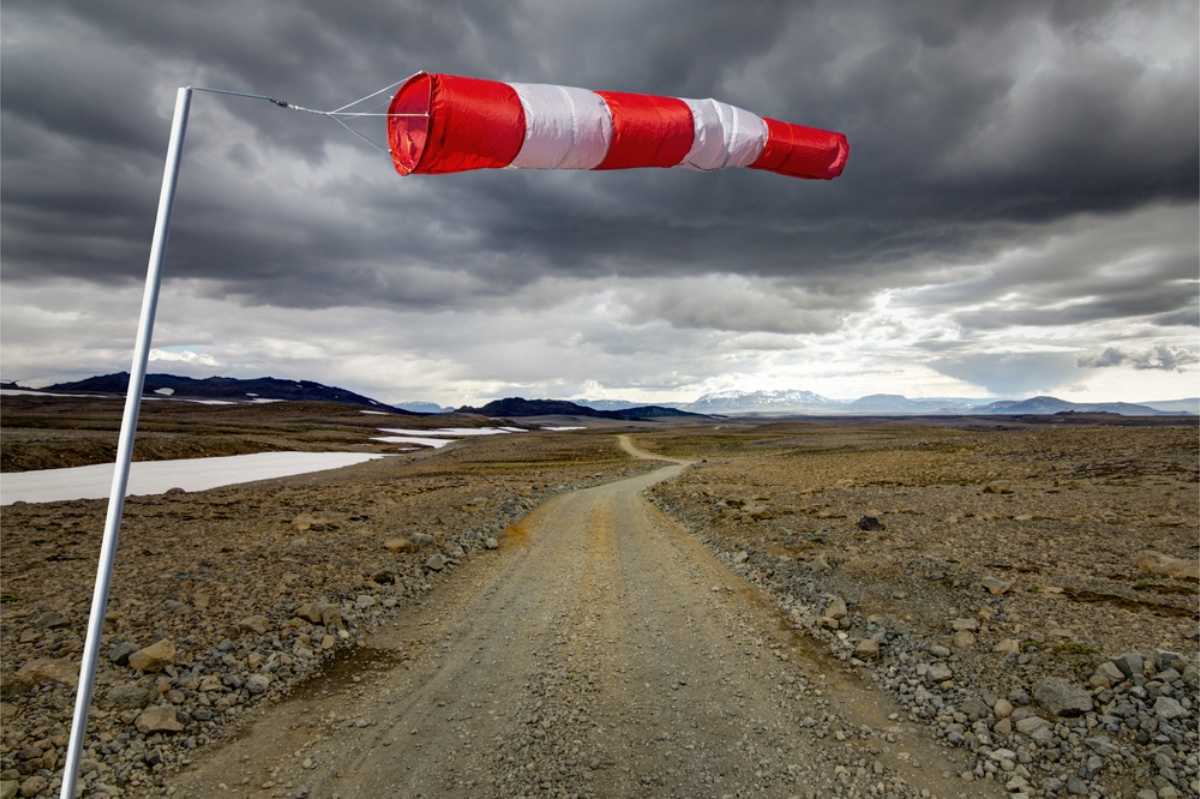
The real factor is wind.
The South Coast, especially between Vík and Kirkjubæjarklaustur, can experience strong crosswinds. A campervan sits higher than a small rental car, so you feel gusts more on exposed stretches. It is not unsafe in normal summer conditions, but it requires steady steering and attention when winds increase.
Highlands and F-Roads
This is where the decision tightens.
F-roads are mountain roads, open roughly June to September, depending on conditions. They require proper 4x4 vehicles with sufficient ground clearance. Standard 2WD campervans are not allowed. If you plan to drive to Landmannalaugar or Askja, you need a true 4x4. That applies whether you choose a camper or a regular SUV.
The Highlands
If you want to combine remote access with sleeping in the same vehicle, a 4x4 campervan is your go-to. It consolidates driving and accommodation, but the interior space is tighter.
If comfort matters more and you prefer separating driving from sleeping, a 4x4 SUV plus cabins or guesthouses is the more comfortable route.
Avoid a Campervan If
- You are uncomfortable driving a taller vehicle in strong crosswinds.
- You are planning your first Iceland trip in winter and have limited experience driving in snow or ice.
Winter adds wind, ice, closures, and shorter daylight. In those conditions, a lower-profile vehicle paired with accommodation is usually the safer and simpler option.
Insurance - What Actually Matters on Icelandic Roads
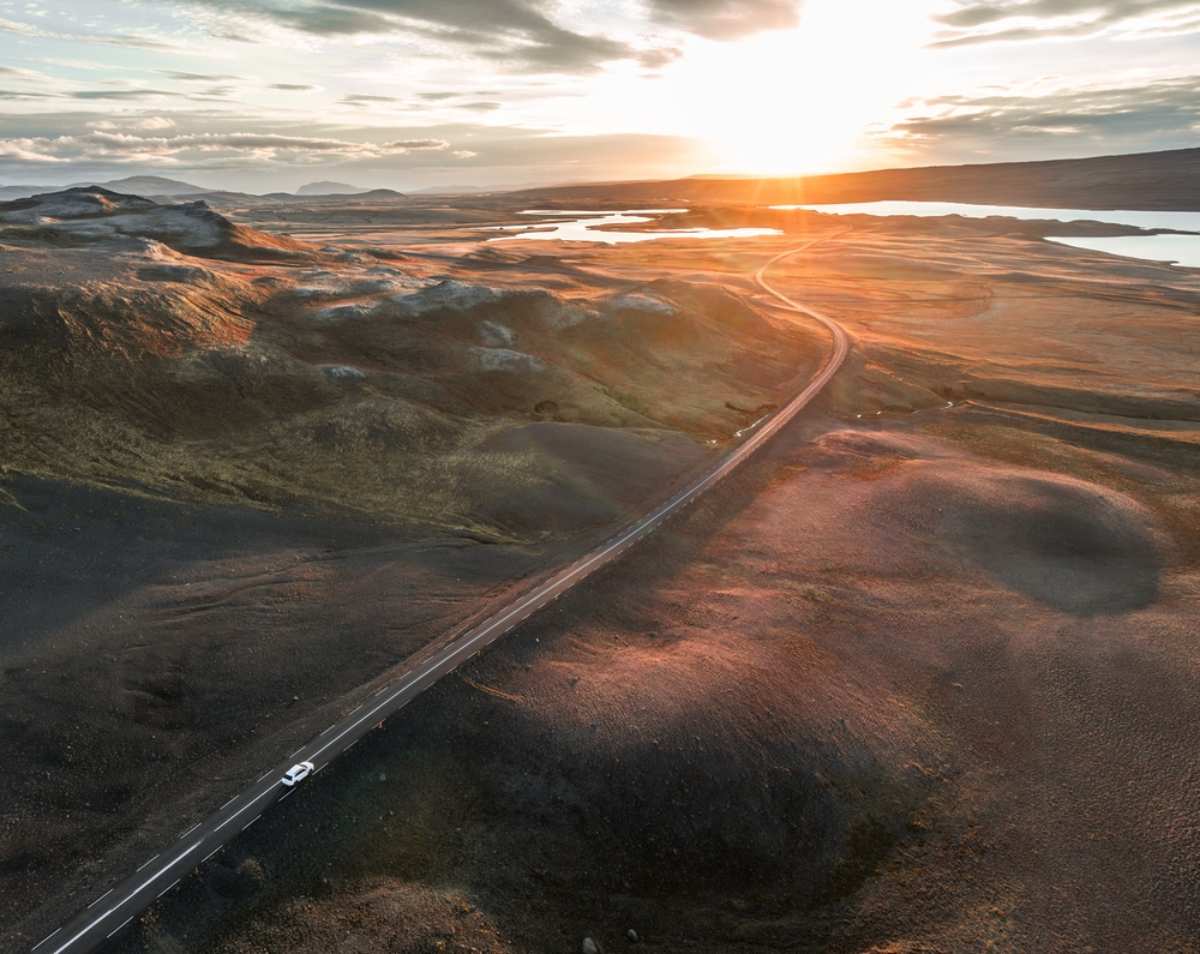
Insurance in Iceland is not theoretical. It is tied directly to gravel roads, wind, and sand exposure.
At Campervan Iceland, the following applies:
Included by Default
CDW and Theft Protection are included in every rental. This covers collision damage and theft, but there is a deductible. The standard self-risk is 350,000 ISK. This is basic protection. It does not eliminate financial exposure.
Why Most Travelers Upgrade
Super CDW (SCDW) reduces the deductible significantly. For campers, the self-risk drops to 50,000 ISK. If you are driving long distances, this reduces stress more than anything else.
Gravel Protection (GP)
Gravel roads are common, even outside the Highlands. Flying stones can crack windshields and chip paint. GP covers windshield, headlights, and body damage caused by gravel. The self-risk with this add-on is zero. If your route includes Westfjords, Eastfjords, or rural detours, this is not optional in practice.
Sand and Ash Protection (SAAP)
On the South Coast, strong winds can carry volcanic sand and ash. This can damage paint and headlights quickly. SAAP covers this type of damage with a 175,000 ISK deductible. It becomes relevant in dry, windy conditions.
Premium and Zero Risk
Premium bundles CDW, SCDW, TP, GP, and SAAP into one package. Zero Risk reduces deductibles to zero across all coverage types. It is the most popular option because it removes uncertainty entirely.
Practical Guidance
If you are staying on paved Ring Road routes in stable summer conditions, CDW plus Gravel Protection is often sufficient. If you are driving extensively, entering exposed South Coast areas, or visiting the Highlands with a 4x4, higher coverage levels make sense.
Tip: Ensure that your choice of insurance matches your route.
By Season - This Is Where the Decision Locks In
Iceland’s weather plays another huge part in your trip. It changes campsite access, daylight, road conditions, and what we actually recommend at pickup. This is how it works in real life.
Summer (June to August)
Summer in Iceland is when campervans make the most sense. Most campsites across the country are open.
You have long daylight hours, which makes driving days less stressful. Gravel roads are generally stable. Highlands access is possible with proper 4x4 vehicles.
What catches people off guard in July is not the weather. It’s crowding. Popular campsites near Vík and the South Coast fill earlier than expected. You still need to arrive at a reasonable time.
From our experience, most summer travelers handle campervans well. If you’re traveling in summer and staying five nights or more, a campervan is a practical and cost-efficient option for couples and small groups.
Shoulder Season (May and September)
This is where things become less predictable. Some smaller campsites begin closing.
Highlands access depends on recent weather. Wind increases. Rain is more common. September is not winter, but it is not peak summer either. We see more route adjustments during this period due to shifting forecasts.
If you’re comfortable checking road conditions daily and adapting overnight stops within the campsite network, campervan travel still works. If you prefer fixed evenings and guaranteed facilities, accommodation provides more stability.
Winter (December to March)
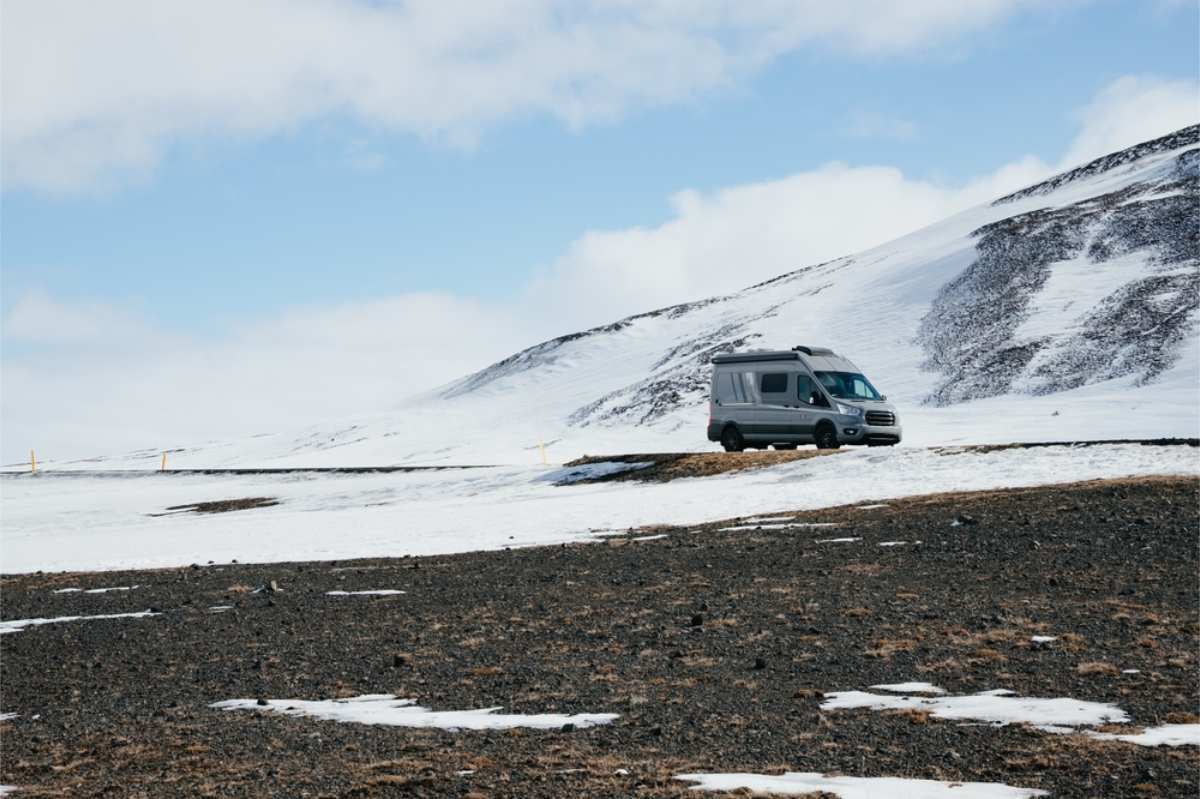
Winter is the season when we actively advise caution. Daylight drops to about 4-5 hours. Wind speeds increase.
Campsite availability becomes limited outside the southwest. Road closures are more frequent. Ice management becomes part of daily driving. For first-time visitors, we generally do not recommend campervan travel in winter.
Not because it is impossible, but because the margin for error is smaller. A rental car paired with accommodation removes one layer of complexity. If you are new to Iceland or new to winter driving, choose a rental car instead..
By Traveler Type - Who Should Actually Choose What
|
Traveler Type |
Campervan Makes Sense If |
Car + Accommodation Makes More Sense If |
|
First-Time Couple (Summer) |
Budget-aware, comfortable using campsites, open to compact living |
Privacy matters, you prefer fixed evenings, setup routines feel like friction |
|
Budget Friends Group (3-4 People) |
Sharing one vehicle, cooking regularly, keeping per-person cost low |
Splitting into multiple rooms for comfort and privacy |
|
Family |
Kids are older, you are comfortable with camping routines |
Younger children, bathroom access is non-negotiable, weather stability matters |
|
Solo Traveler |
Longer trip, minimalist expectations, summer travel |
Short trip, hotel or hostel pricing competitive |
|
Highlands Adventurer |
Comfortable with tighter interior space, want drive-and-sleep simplicity |
Prefer separation of driving and sleeping space, comfort at night is priority |
Campervan vs Car Rental in Iceland: Which One Actually Saves You Money?
So, where does that leave the Campervan vs Car Rental in Iceland decision? It is not about style. It is about the trip profile.
Choose a Campervan If:
- You are traveling 5+ nights
- You are two or more people sharing costs
- You are traveling in summer
- You plan to cook regularly
- You are comfortable using campsites
Choose Car + Accommodation If:
- You are visiting in winter
- Your trip is short, 3-4 nights
- You want a private bathroom every night
- Comfort and insulation matter more than cost efficiency
Savings are not automatic. They depend on season, group size, and how you actually travel.
At Campervan Iceland, we see this play out daily at pickup. The travelers who match the right vehicle to their season and route rarely regret it.
If you are still unsure, compare your real itinerary against these decision points before booking. The right choice is usually clearer than it first appears.
FAQ About Campervan vs Car Rental in Iceland
Is a campervan worth it in Iceland?
Yes for 5+ night summer trips with two or more people cooking regularly. Not usually for short stays, solo trips, or hotel-focused itineraries.
Can I park and sleep anywhere in Iceland?
No. Overnight stays must be at registered campsites or with landowner permission. Wild camping is restricted, and fines apply.
Are campervans safe in strong Icelandic winds?
Yes, in normal conditions, but they are more wind-sensitive than small cars. In extreme wind warnings, you should delay driving regardless of vehicle type.
What if it gets cold at night?
Modern campervans use diesel heaters and stay warm in freezing temperatures. You will feel the weather outside, but interior heating is reliable when used correctly.
Do campervans use more fuel than cars?
Yes, slightly. A campervan consumes more than a compact car, but fuel rarely outweighs accommodation costs in total trip budgeting.
What insurance should I consider?
Gravel protection is strongly recommended. Sand and ash coverage may matter on the South Coast. Higher coverage reduces deductible exposure in windy or rural conditions.
What’s typically included in campervan rentals?
Heating, sleeping space, and basic kitchen equipment. Bedding, WiFi, extra drivers, and upgraded insurance are often additional. Always confirm specifics before booking.
Do I need campervan experience?
No prior experience is required. Setup is simple. The main adjustment is compact living and campsite routines, not technical operation.
Is driving a campervan harder than a regular car?
Not harder, just different. Taller vehicles feel crosswinds more. In summer, manageable. In winter, driving experience matters more.
Is a campervan practical in winter?
Possible, but not ideal for first-time visitors. Limited campsite access, strong winds, and short daylight make rental cars with accommodation safer for most winter trips.