
 By
By 
If you’re driving in Iceland with children, you must follow Iceland’s car seat laws. It’s not just about keeping your child safe; it’s about complying with the country’s legal requirements. In short, children under 135 cm/4’5” must use an appropriate child car seat or booster seat. Children under 150 cm/4’11” must not sit in front of an active airbag unless the airbag has been disconnected or disabled.
Let’s look more closely at car seat laws in Iceland from a visitor’s perspective because, after all, proper car seat use is the driver’s responsibility. Failing to properly secure your child leads to high fines.
The Law at a Glance
Iceland’s car seat laws are relatively straightforward when you know where to look. Before we look at the practical application, let’s take a glance at what Icelandic law says about child car seats and booster seats required in all private vehicles.
|
Child Stage |
Child’s Age/Height |
Legal Requirement |
Best Practice |
Front Seat Allowed? |
|
Infant |
Birth-15 Months (Under 76cm) |
Rear-facing mandatory |
Keep rear-facing as long as possible |
No, if the airbag is active |
|
Toddler |
1-4 Years |
Suitable car seat (rear or forward-facing, based on size) |
Keep rear-facing until at least 15 months and 76 cm/2’6”, preferably longer |
No, if the airbag is active |
|
Young Child |
4-10 Years (Under 135 cm/4’5”) |
Booster seat is mandatory |
A high-backed booster is preferred for safety |
Only if properly positioned and no air bag |
|
Older Child |
10+ Years / Over 135 cm-4’5” |
Regular seat belt allowed |
Use a booster if the belt doesn’t fit properly |
Yes, if the child is over 150 cm/4’11”. If under, only if the airbag is deactivated |
Failing to follow Iceland’s car seat laws, even as a tourist, can result in steep fines. The penalty for not using appropriate safety seats is 30,000 ISK (about $250 USD).
Which Car Seat Your Child Needs (By Age & Size)
The type of car seat your child needs is generally based on a combination of their age and size. Before visiting Iceland, you need to know which car seat and Iceland booster seat laws apply to your child to avoid legal issues.
Babies (Infants)
Per Icelandic rules, babies and very young children should travel rear-facing until at least 15 months old and 76 cm/2’6”. The back seat is the safest place whenever possible. Front seat positioning is only allowed when there is no active airbag, or when the front airbag has been disconnected or disabled.
Toddlers & Young Children
After at least 15 months and 76 cm/2’6”, forward-facing may be allowed if the child also meets the car seat manufacturer’s height and weight limits. However, from a safety perspective, it is better to keep children rear-facing for as long as the seat allows.
At this stage, there are several suitable car seats available, typically convertible options, but a car seat is still required. It is important to check the car seat instructions for the appropriate height and weight for each one.
Booster Seat Stage
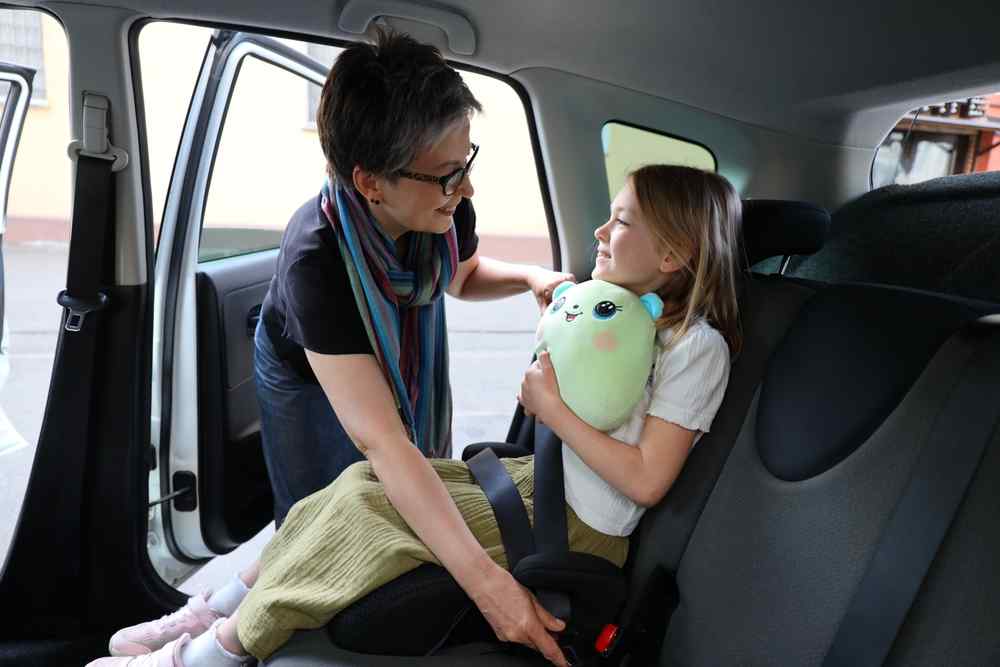
Once a child outgrows a convertible car seat, a booster seat becomes the most appropriate option. A high-backed booster is preferred for the extra support. A booster seat or appropriate child restraint is required until a child is at least 135 cm/4’5”. Even after that point, a booster may still be the safer option if the regular seat belt does not fit correctly without assistance.
When a Regular Seat Belt Is Enough
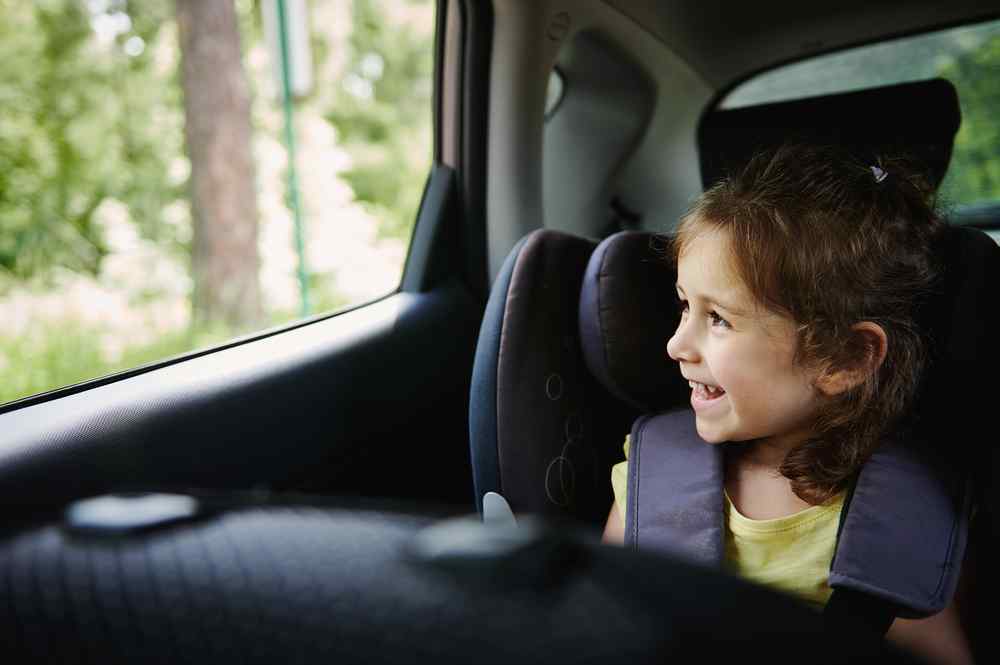
The point where a booster seat is no longer required isn’t based simply on the age of the child. Instead, it relies on the child’s height to ensure the regular seat belt fits correctly to protect the child in an accident. Incorrect seat belt positioning can lead to more serious injuries.
While 135 cm/4’5” is the legal threshold for using a regular seat belt without a child restraint, height alone is not the only factor. The seat belt must fit the child correctly. The seat belt should fit snugly to the child’s body and should never be placed behind their back or under their arms. The seat belt should cross the child’s lower abdomen and reach across their chest at the shoulder, not the neck. If the seat belt fits correctly, a booster is no longer needed.
Legal Requirements vs. Safety Recommendations
The legal requirements for child car seats in Iceland are quite clear, but these requirements can be quite different from safety recommendations. Icelandic road and weather conditions can change rapidly, increasing the risk of accidents. Keeping your child safe isn’t always about simply doing what’s legal, but also considering safety recommendations that go beyond the requirements.
Airbags: What You Must Check in Your Rental Vehicle
One of the most critical things to pay attention to when renting a campervan in Iceland is whether the airbags can be turned off. Not all vehicles have this capability, which means your child would be restricted from sitting in the front seat, both legally and from a safety perspective. Be sure to ask before booking, so you can guarantee the safest, most legal situation.
Front Seat: When Is It Allowed
While the backseat is always best, the front seat may be the only option in some vehicle types, including campervans. In Iceland, children under 150 cm/4’11” must not sit in the front seat in front of an active airbag. If the airbag has been disconnected or disabled, front-seat travel may be allowed, but the back seat remains the safest option whenever available.

What Is Recommended for Maximum Safety
Beyond the legal requirements listed above, experts recommend that toddlers and small children sit rear-facing for as long as possible. In the event of an accident, this positioning protects the head and neck from significant injuries.
Another common safety recommendation that goes beyond the legal requirements is keeping your child in the backseat as long as possible. The backseat is the safest place for children who aren’t fully grown. Even though it is allowed to seat a child in the front if the airbags are disabled, it’s not recommended.
Why This Distinction Matters for Travelers
Knowing what you have to do versus what’s recommended for safety reasons allows you to make informed decisions while avoiding fines for not complying with local laws. You will be able to choose the most appropriate vehicle and car seat for your child’s safety. While you will need to comply with the minimum requirements, we strongly urge you to consider the safety recommendations for the most enjoyable family trip.
Common Real-Life Scenarios for Traveling Families
Many visitors are unsure because their child may no longer use a booster at home but may still need one in Iceland. Here are the most common scenarios:
- 8-year-old, 127 cm/50 in: Needs a booster or appropriate child restraint in Iceland because the child is under 135 cm.
- 10-year-old, 136 cm/53.5 in: May legally use a regular seat belt if it fits correctly, but cannot sit in front of an active airbag if under 150 cm.
- Child over 135 cm but under 150 cm: May not need a booster if the seat belt fits properly, but still cannot sit in front of an active airbag.
- Child over 150 cm/4’11”: Can sit in the front seat with a normal seat belt if the belt fits correctly.
- Child under 15 months or under 76 cm: Should travel rear-facing.
Renting a Campervan or Motorhome with Children
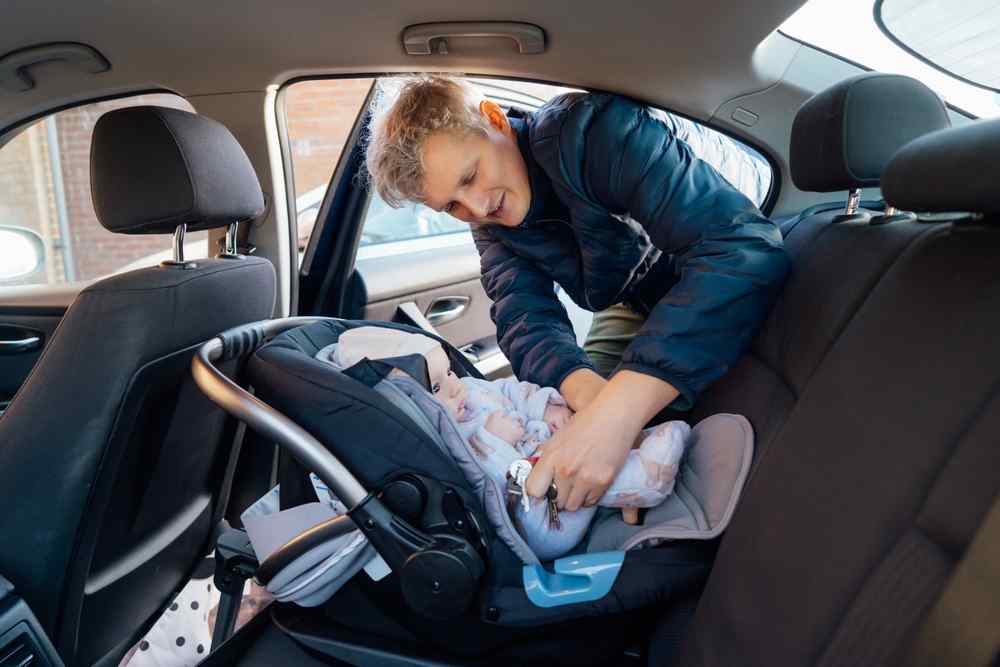
When renting a campervan or motorhome in Iceland as a family with children, car seats are one of the most important considerations. Even with a campervan, you will need an appropriate child car seat to remain compliant with Icelandic laws. However, not all motorhomes or campervans are equipped to install car seats.
Some campervans don’t have proper anchor points, such as the ISOFIX system, and their seat belts may not work well with car seat configurations. Side-facing seats or other non-standard seat positions can also make installation challenging. Before you book your campervan, ask us about child seat compatibility, including the number of safe, forward-facing seats for car seat installation.
Bringing Your Own Car Seat to Iceland
One of the biggest questions we get asked is whether a visitor should bring their own car seat to Iceland. This can get tricky if you’re not from another European country. Your car seat should meet European approval standards before you use it in Iceland. Look for a valid European approval label, such as ECE R44/04 or UN R129/i-Size.
Do not assume that a US-approved, Canadian-approved, or non-European car seat is automatically compliant unless it also carries the correct European certification.
Approval & Certification Differences
European car seats go through different approval and certification processes than car seats from other countries. Travelers are often caught off-guard by these different regulations. In Europe, including Iceland, all car seats must have one of the following certifications:
- ECE R44/04
- UN R129 (i-Size)
UN R129/i-Size is the newer European standard and is now the main standard for new child car seats. Older ECE R44/04 seats may still be in use if they are within their usable life, undamaged, and appropriate for the child’s height and weight.
Car seats from places like the United States undergo different certification processes that may not hold to the same standards. It doesn’t mean that they aren’t safe, but it does mean that they don’t have the proper European approval seal. Approved seats should have an orange seal listing the appropriate age and height for the car seat.
Compatibility & Insurance Considerations
Another concern with bringing your own seat is whether they are compatible with the campervan you rent and whether the insurance will cover using the seat. Some critical things to consider include:
- ISOFIX compatibility: Not all campervans have ISOFIX compatibility for the safest car seat installation.
- Seatbelt installation: European seat belt designs may be a little different from what you’re used to, making seat belt installation challenging.
- Vehicle type: Campervans often have non-traditional seat layouts, which can make installing a car seat difficult or impossible.
- Insurance implications: Improper installation or use of a non-compliant seat may create problems with liability or insurance after an accident. Check our terms and your travel insurance if you plan to bring your own seat.
Renting a Car Seat in Iceland
Instead of bringing your own, we highly recommend renting a car seat with your campervan rental. Not only does this save you the hassle of bringing your car seat on the airplane, but it ensures that you have a car seat that meets European standards, fits the vehicle you rent, and that your child is safe. The key is to book early to guarantee the seat you need. Availability can be limited.
When booking your campervan, ask about which car seats are available and what their height and weight restrictions are. Choose one based on your child’s height and weight. If you think your child may size up before your trip, adjust your reservation as soon as you are sure.
Pick-Up and Installation Responsibilities
When you pick up your campervan rental and car seat, it is your responsibility to thoroughly inspect the seat, just as you do for the entire vehicle. Look for:
- Visible signs of damage
- Cleanliness
- The official European approval seal
While we rent out car seats, it is still your responsibility to install it into the vehicle properly. Our team cannot legally install the car seat for you due to liability, although we can provide instructions and guidance if requested. We recommend reading the instructions or watching a quick installation guide before installing the seat.
Before you drive away from our lot, complete a final safety check:
- Ensure the seat is securely installed with minimal base movement
- Check that the harness fits snugly
- Verify the correct seat positioning (forward or rear-facing)
- Confirm that the airbag is off if the car seat is installed in the front
Pick-Up and Installation Responsibilities
In winter, do not strap a child into a car seat while they are wearing a thick coat or bulky snowsuit. Bulky clothing can make the harness look tight when it is actually too loose. Instead, secure the harness close to the child’s body, then place a blanket or coat over the child after they are buckled in. This is especially important in Iceland, where winter weather can make families want to keep children heavily bundled in the car.
Child Seat Rules for Other Transport in Iceland
If you don’t rent a vehicle or you plan to use other transportation methods for parts of your trip, you need to be aware of how Iceland’s car seat rules change with each transportation method.
Taxis
Rules for car seats in taxis often differ from those in private cars, which can be confusing for visitors to any country. In most cases, taxis are exempt from car seat rules for short journeys, but your child should wear a seat belt regardless. Unfortunately, this isn’t a good option for longer drives.
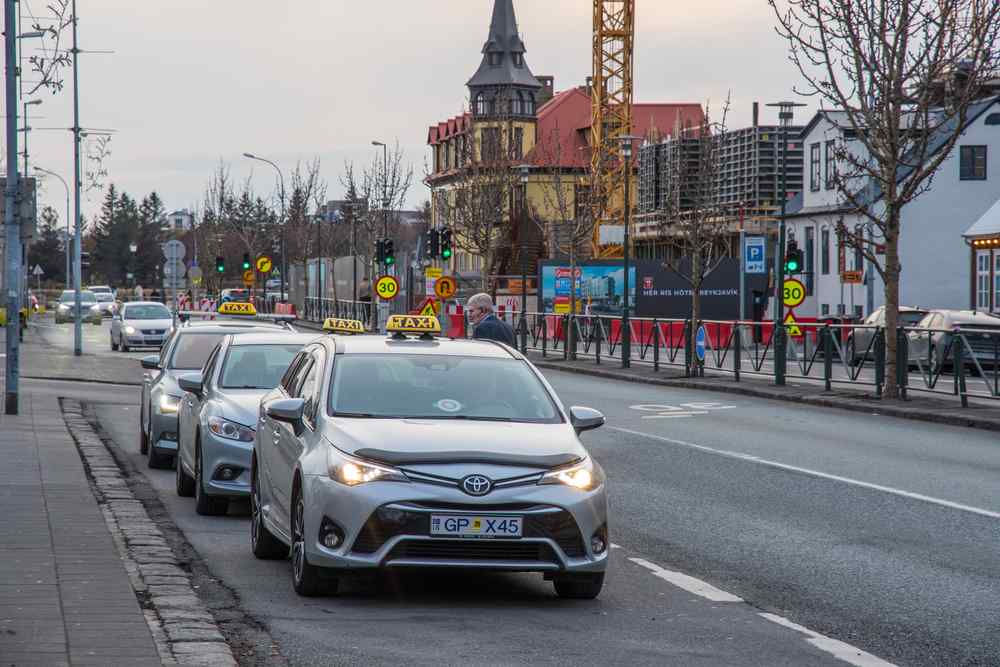
Most taxis won’t have a car seat installed on board by default. However, if you order one ahead of time, you can request an appropriate car seat for your child.
Private Transfers
Private transfers are another popular method of getting around during a visit to Iceland. This type of transportation is common for airport transfers, tours, and chauffeur services. These situations often fall under the standard car seat rules, but it’s important to note that car seats are usually not automatically included. You must request one when you schedule the private transfer.
To help you get an appropriate car seat for your private transfer, be prepared to tell the agency the age, height, and weight of your child. Confirm that they have an appropriate child car seat, and verify that it is available before the vehicle arrives to pick you up.
Buses & Public Transport
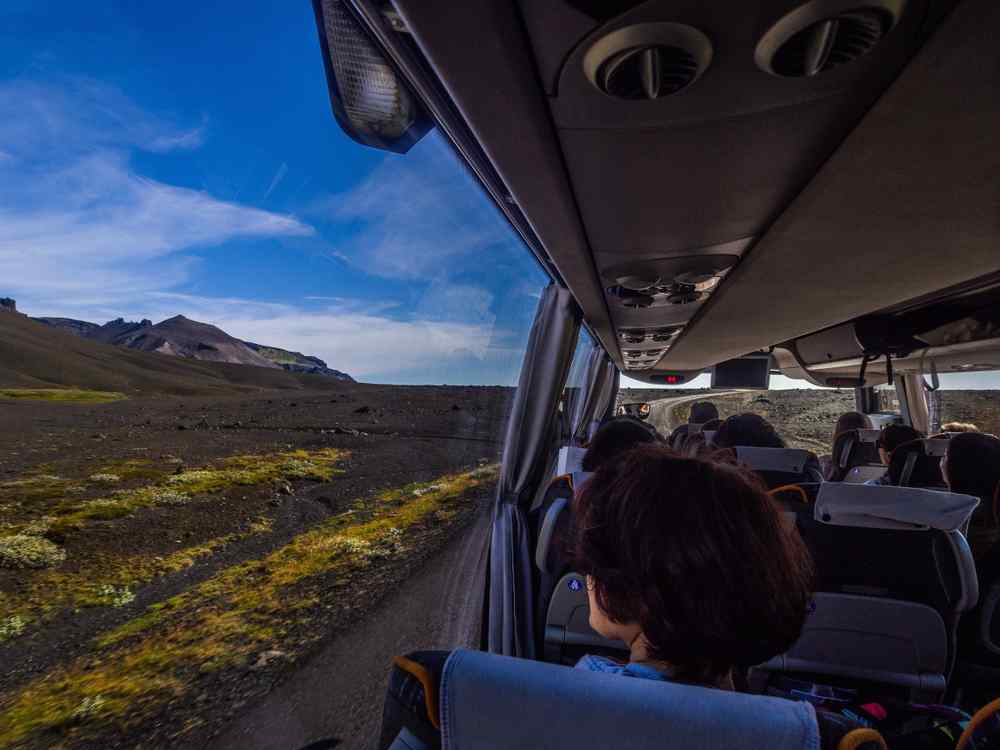
Buses and other similar public transport options are generally exempt from car seat rules. On public and tour buses, every passenger is expected to use a standard seat. The reason for this exemption is that larger buses are structurally safer, but it’s important to note that small children will not be as safe when they aren’t secured in a proper safety seat.
Common Tourist Mistakes (and How to Avoid Them)
It’s not surprising that many tourists traveling with children don’t think about the fact that the car seat they regularly use at home isn’t legal in other countries. However, as a parent, it’s important to make sure that you’re not only keeping your child safe but also following the local laws. Here are common mistakes tourists make with car seats and how you can avoid them:
- Booking the Wrong Seat Type: Check carefully which car seat your child needs based on their weight and height, not just age. Ask your rental company for clarification if needed.
- Skipping the Seat for Short Trips: Short distances don’t necessarily mean you don’t need a car seat. From a legal standpoint, your child should always be in a car seat, even for short distances.
- Not Checking the Airbag: Until a child is at least 150 cm, the airbag must be off to legally ride in the front seat. Always check that the airbag is off before driving.
- Choosing an Incompatible Vehicle: Don’t make the mistake of thinking that every vehicle, especially campervans, can easily accommodate child car seats. Always verify with your rental company.
- Assuming Any Car Seat Will Do: Not all car seats are created equal. Some fit better in certain vehicles than others. You also have to make sure the vehicle you rent accepts car seats.
FAQ: Iceland Child Car Seat Laws for Travelers
The following will help you get answers to some of the most common questions we hear from our customers about Iceland’s child car seat laws:
Are car seats mandatory in Iceland?
Yes, car seats are mandatory for children who are under 135 cm/4’5”. All children are required to be safely secured in either a child car seat or a booster seat until the car’s seat belt fits them correctly. Tour buses, taxis, and public transportation are the only exceptions.
My child does not use a booster at home. Will they need one in Iceland?
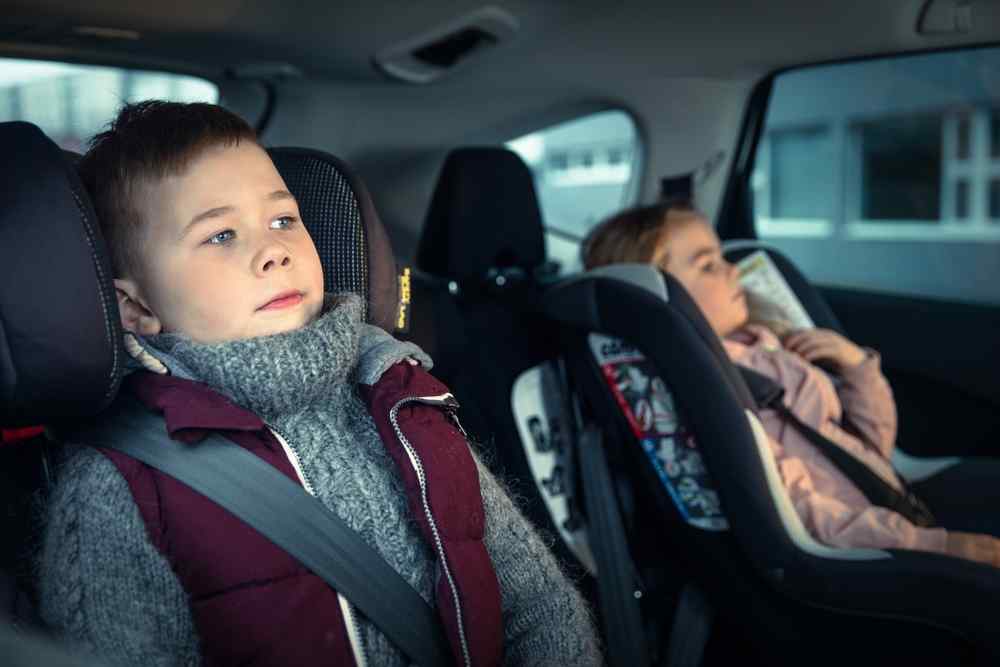
Possibly. Iceland uses a height-based rule. If your child is under 135 cm/4’5”, they need an appropriate child restraint or booster seat in a car, even if they no longer use one in your home country. If your child is over 135 cm but the seat belt does not fit correctly, using a booster is still the safer option.
Can I bring my own car seat to Iceland?
You may bring your own car seat to Iceland as long as it meets European safety standards. Seats that meet the criteria should have an orange European seal sticker on them with the maximum height and weight. If you’re not sure, it’s best to leave yours at home.
Can my child sit in the front seat of a campervan?
Only if it is legal and safe to do so. Children under 150 cm/4’11” must not sit in front of an active airbag. If the airbag can be disconnected or disabled, the front seat may be an option, but the child must still use the correct car seat or booster if under 135 cm/4’5”.
Can children sit in the front seat in Iceland?
Children over 150 cm/4’11” can always sit in the front seat. However, children shorter than this limit can only sit in the front seat if there are no airbags or the airbags can be turned off. The front seat still requires an appropriate safety seat.
Are US car seats legal in Iceland?
Do not assume that a US car seat is legal in Iceland. Iceland follows European child seat standards, so the safest approach is to use a seat with a valid European approval label, such as ECE R44/04 or UN R129/i-Size. Some travel seats may have more than one certification, but you should check the label before relying on them.
Do campervans in Iceland allow child seats?
Some campervans can accommodate child seats, but it depends on the model and seat configuration. If you will be traveling with a young child who needs a car seat, let us know, so we can help you choose the most appropriate campervan to accommodate child car seats.
Do taxis in Iceland require child seats?
No, in most cases, a short drive in a taxi is exempt from requiring car seats. However, it is still safer for your child to use one, so we recommend ordering a taxi ahead of time and requesting an appropriate car seat based on your child’s age, weight, and height.
Be Prepared for Iceland’s Car Seat Laws
When you’re renting a campervan in Iceland, you must comply with Iceland’s car seat laws if you’re traveling with a young child. Iceland is a great place to experience as a family, but safety is paramount. Always inquire about renting a car seat with your vehicle to ensure you have one that works in your vehicle and is the appropriate size and type for your child’s safety and legal compliance.