
 By
By 
The magical Land of Fire and Ice is a very family-friendly travel destination, so if you’re wondering about how to travel to Iceland with a baby, worry not! You’re in for the trip of a lifetime, even with a baby in tow. The country is extremely well set up to welcome families of all shapes and sizes. Not to mention, Iceland is named one of the safest and happiest countries in the world year after year.
The focus of any trip to Iceland is all about reveling in the great outdoors. This strategy is great for little ones, as it’s beneficial for them to be out in nature, soaking up the fresh air and exploring freely. Likewise, seeing your family enjoy the wonder of the natural world will be a big part of the fun for you, too. You’ll love discovering Iceland, but you’ll adore even more the opportunity to watch your kids discover it alongside you
In this article, we’ll go over all the practicalities of a road trip in Iceland with a baby, including tips and tricks to ensure everything goes smoothly, especially when traveling by campervan. Read on for a curated packing list, places to stop, things to eat and drink, and the best things to do with young kids.
Why Iceland Is a Great Destination for Families
As mentioned, Iceland is one of the safest countries in the world, which gives families confidence when traveling with their children. While you should always take the usual precautions when traveling in an unfamiliar place, you won’t have to worry about high crime levels or which areas are safe and which ones aren’t.
However, safety isn’t the only reason you should consider a campervan trip in Iceland with your children, including babies. Families often choose Iceland as their preferred destination for international travel for the following reasons:
- Easy access to big adventures, particularly nature spots
- Variety of family-friendly activities and types of natural sights
- An educational experience, particularly for older children
- No language barrier for English speakers
- Flexible accommodation options, from campervans to hotels to guesthouses
- Plenty of resources for children of all ages
Why a Campervan Is the Best Way to Explore Iceland with a Baby
Renting a campervan is one of your best options when you want to explore Iceland with a baby in tow. While you can also rent a vehicle and stay in hotels, campervan travel gives you much more flexibility and allows you to enjoy Iceland at your own pace. When traveling with a baby, this is the key to an enjoyable trip.
In addition to the flexibility campervan travel offers families, there are many other reasons why renting a campervan is the best way to experience Iceland with a baby:
- The ability to keep everything with you as you drive around. No need to keep packing and unpacking all your gear.
- You have a controlled, comfortable environment for your baby that won’t change. Staying in a campervan means no unnecessary transitions.
- It’s easy to feed the baby whenever necessary instead of trying to find specific stops.
- Campervans and campsites are often a more cost-effective choice for families.
- You’ll feel less pressure as you travel around the country, keeping your travels at a reasonable pace for your little one.
How to Plan Your Iceland Road Trip With a Baby
A road trip around Iceland with a baby can be an overwhelming thing to plan. Many visitors get overwhelmed by the planning process, regardless, but when you’re traveling with a little one, there are more logistics to consider. The good news is that you’re not on your own. Let’s talk about the best ways to plan your Iceland road trip with a baby.
Go Slower Than You Expect
Driving around Iceland can mean some really long days, but when you’re traveling with a baby, it’s better to slow down. Plan to spend no more than two to four hours per day on the road. Make a list of one or two must-stops for the day. If things go well, you can always add more.
Base Your Trip on Your Baby’s Rhythm
While some babies are more go-with-the-flow than others, many babies have a set routine and can get cranky if it isn’t followed. When planning your campervan trip in Iceland, consider your baby’s rhythm. Plan for stops during drive times, stop when your baby is more alert, and allow for plenty of time for feeding.
Pack Less, But Pack Smart
Babies require more gear and clothing than older children and adults, but you will have limited space, whether you rent a campervan or another vehicle. Make a list of what you will need and be smart about what you pack. Don’t overpack with things you can easily buy while in Iceland.
Don’t Overestimate Hikes
Many of the sights around the Ring Road don’t require much walking, but some things will require a hike of varying difficulties. In your planning, research how long and strenuous hikes may be and plan accordingly. Remember that most trails aren’t suitable for strollers, so you will need to wear or carry the baby. If needed, you may need to split up for longer, more difficult hikes.
Be Realistic About the Weather
Iceland’s weather can be quite harsh for even adults, so it’s important to be more aware of the weather when traveling with a baby. You will need to make sure you have the things needed to keep your baby warm. If the weather is poor, don’t be afraid to change your destination or skip something entirely.
Be Prepared to Skip More Strenuous Activities
Iceland is known for its ice caves, glacier hikes, snowmobiling, and other more strenuous activities. When traveling with a baby or young children, it’s best to skip these activities altogether. However, if you’re set on doing one or some of these, you will need to split up.
Keep Your Evenings Simple
Your baby will tire out long before you do. For this reason, it’s best to plan for simple evenings. Be prepared to park up early and spend a quiet evening in the campground. While you’ll want to chase the northern lights if you’re visiting in the winter, don’t plan for this activity every night. If you stay in a campervan, you’ll likely be away from the city lights, so you can see the aurora while your baby sleeps inside.
Adjust Your Expectations
When traveling in Iceland with a baby, you must adjust your expectations. You’ll travel a bit slower, and you’ll see a little less of the country, but you’ll notice more of the little details, and you’ll make great memories that will last a lifetime. Your baby may not remember, but you will.
Iceland Itinerary With a Baby
The next step in planning your trip to Iceland with a baby is to create an itinerary. Because flexibility is the key to a successful vacation with a little one, you won’t need a strict itinerary, but having an idea of what you want to see and where you will go can help you feel more confident. Here’s a good base for planning a seven-day trip.
Day 1: Arrival and Golden Circle Highlights
When you arrive and pick up your campervan, it is often a good idea to take a quick nap if you’ve arrived on an overnight flight. Some people may say it’s better to just push through it, but safety should be a top priority, especially with a little one. The good news is that the Golden Circle is relatively short and is a good way to spend the day after you rest, particularly in summer.
You likely won’t be doing a lot of hiking, but the sights around the Golden Circle don’t require it. Take time to stop at Þingvellir National Park, Geysir Geothermal Area, and Gullfoss. If you have extra time or your baby is up to it, consider adding Kerið Crater or Brúarfoss. Stop for the night at Skjól Camping or near Selfoss.

Day 2: South Coast Scenic Stops
Driving the South Coast can feel like a big day, but in reality, you’ll cover about 2 ½ to 3 hours of driving. You’ll see a lot of places to stop, but with a baby along for the ride, you may find that you only have the time and energy for a few major stops. We recommend:
- Seljalandsfoss
- Skógafoss
- Dyrhólaey
- Reynisfjara Beach (Skip if the weather is poor and the warning light is red)
Most of these stops won’t require hiking or are just a short walk from the parking lot, allowing you to easily enjoy the sights with a young one. Stop for the night at Vik Camping, or if you have a 4x4 campervan, you can stay in a more remote area like Þakgil.
Day 3: Glacier Lagoons and Eastward Views
As you continue east, you’ll enjoy a scenic 3-hour drive that takes you to the glacier lagoons and beyond to Höfn. The more popular destinations will be behind you, but there are plenty of places to stop to feed your baby or just get out of the car for a while. After leaving the Vík area, some recommended stops include the following:
- Fjaðrárgljúfur Canyon
- Skaftafell viewpoints
- Jökulsárlón Glacier Lagoon
- Diamond Beach
After enjoying the sights, you can either backtrack and camp at Skaftafell if you don’t mind a slightly longer drive the next day or stay in the campground near Höfn instead to shorten the next day’s drive.

Day 4: Eastfjords & Relaxing Stops
Day 4 will take you winding through the Eastfjords. It may feel like there aren’t many stops along this stretch, but the 2 ½ to 3-hour drive up the coast to Egilsstaðir is incredibly scenic. You’ll wind along the edges of the fjords through small fishing villages with plenty of natural spots to stop along the way.
The coastal viewpoints are great for breaking up the drive, and the small fishing villages are ideal places to stop for diaper changes and meals. At the end of the day, you’ll likely end up in the Egilsstaðir Campground, so be sure to make a reservation. This campground often fills up in the summer.
Day 5: North Iceland Adventures
North Iceland is a region that’s perfect for slowing down and enjoying things, making it a good spot for families who need to travel at a slower pace. The route between Egilsstaðir and Lake Mývatn takes about 2 to 3 hours to drive, but be mindful that there are some longer stretches here with few to no amenities.
If you’re planning stops for this stretch, consider the following, some of which are slight detours and may require a little extra driving time or hiking:
- Dettifoss
- Hverir Geothermal Area
- Grjótagjá Cave
- Dimmuborgir
When you’re done exploring, there are several campgrounds in the Lake Mývatn area, including Hlíð Campground, Camping Mývatn, and Vogar Camping. If you want to get a little closer to your next day’s destination, consider Camping Hamrar in Akureyri instead.

Day 6: West & Snæfellsnes Peninsula
Your final full day on the road will take you through West Iceland and potentially the Snæfellsnes Peninsula if time and your baby’s temperament allow. As you make your way back toward Reykjavík for your flight home, you likely won’t have time for the entire Snæfellsnes Peninsula, but you can certainly hit some of the highlights, including the following:
- Kirkjufell and Kirkjufellsfoss
- Arnarstapi
- Búðir Black Church
- Ytri Tunga Beach
You may also choose to stick closer to the Ring Road, making a few stops along the way, including:
- Glaumbær Turf House
- Kolugljúfur Canyon
- Glanni Waterfall
For your last night in your campervan, consider stopping at Borgarnes Camping to put you closer to the airport for your flight out. If you don’t mind the extra driving, the Reykjavík Eco Campsite may be a good choice, but you will likely need a reservation.
Day 7: Return to Reykjavík and Departure
If your flight out is in the late afternoon, you won’t have a lot of time for stops, but you can get a few things done before heading to the airport. Souvenir shopping in Reykjavík can be an excellent choice. Be sure to allow plenty of time to return your campervan and get to the airport about 3 hours before your flight.

Tips for Driving in Iceland With a Baby
Driving in Iceland is relatively straightforward for most visitors. However, as parents, you know that adding a baby to the mix can be a different experience. Before you embark on your journey to Iceland with a baby, consider the following tips to make driving around in your campervan easier.
Nap-Friendly Driving and Safety
One of the best tips for driving in Iceland with a baby is to plan your driving times around naptime. Allowing your baby to sleep in the car between stops will result in less fussiness during the drive and will ensure your baby is more alert during your stops. Feeding your baby before you hit the road increases the chances that he or she will sleep along the way.
In addition to these tips, it’s important to keep in mind that some days won’t go exactly as you planned. Babies can be unpredictable, as you likely know well, so it’s best to let your baby dictate your journey, at least to a point.
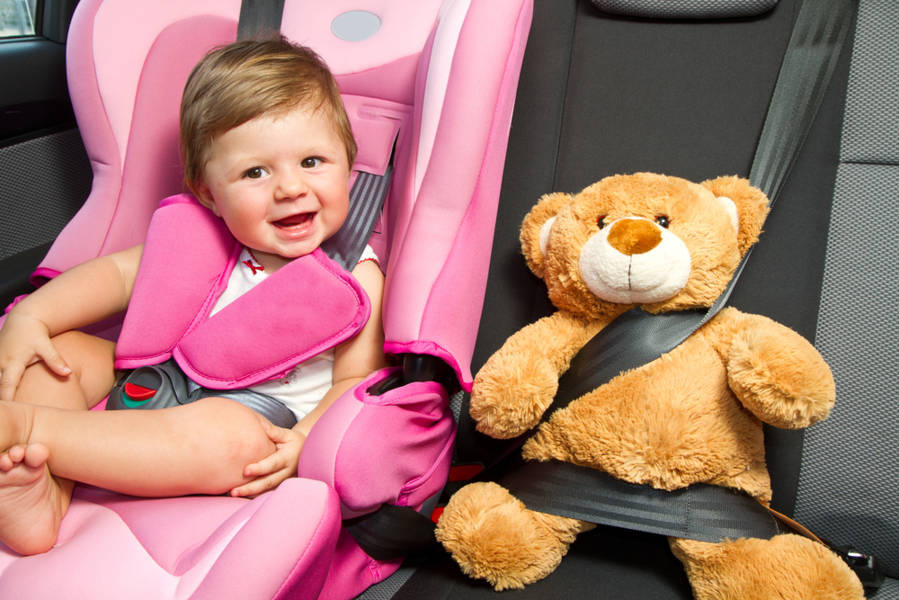
On another note, be sure you either bring your baby’s car seat along or ask us about renting an appropriate car seat for your little one. If you aren’t from a European country, your car seat may not meet local standards, but tourists are welcome to use their own.
You should also pay close attention to the weather and road conditions during your trip. Checking the appropriate websites frequently throughout your trip, sometimes more than once a day, is an absolute must. Never rush because of the weather or ignore weather warnings. It’s not worth the risk to you or your baby. If conditions worsen, find a safe place to pull over and wait.
Finally, fuel up often. If you see a gas station, stop and top off the tank, in case you encounter a longer stretch between stations. Stopping also allows you to get the baby out for a diaper change, a feeding, or a break.

Campervan Sleeping & Storage Tips
A campervan doesn’t give you a lot of room, but it can be plenty comfortable, especially if it’s just the two of you with your baby. If you aren’t used to campervan life in your home country, there are a few things you should know about sleeping and storage during your camping trip around Iceland.
First, think about vertical storage, rather than horizontal. You can store much more in your campervan if you hang things up instead of putting them in bins. Keep your baby essentials stored together and within easy reach so you don’t have to dig around when it’s time for feedings or diaper changes.
Next, plan for how you will stay warm during the night. Even summer nights in Iceland can get quite chilly. Choose layers rather than one big, bulky blanket. This will allow you to remove and add layers as needed, depending on the outside temperature and how you and the baby feel. Remember, overheating can be worse than being a little cold. Be sure to crack a window or two for ventilation.
You will also need to create a nighttime routine that closely mimics what you already do at home. Choose a set bedtime for consistency, follow a similar routine at home for feedings and getting ready for bed, and lay out anything you may need during the night. After the baby falls asleep, keep the lights dim and consider sitting outside if the weather allows to avoid disturbing the baby.
Finally, be accepting of the fact that staying in a campervan with a baby is a learning experience. Things won’t be perfect the first time, and it may take a while for your baby to get used to the environment and the time change. Being flexible and patient is the key.
What to Pack for Your Iceland Campervan Trip With a Baby
Your packing list will look a bit different when you visit Iceland with a baby, too. While you’ll still need the same things you would otherwise need for your trip, you will need some extra gear for the little one.
Clothing
When you travel with a baby, it’s often tempting to pack as much as possible, so you don’t forget something crucial. However, even with a little one, there’s still a lot of sense in packing light, especially when wheeling all your family’s luggage through the airport. So, let's take a closer look at what can be left out of your suitcase, and what makes for essential gear.

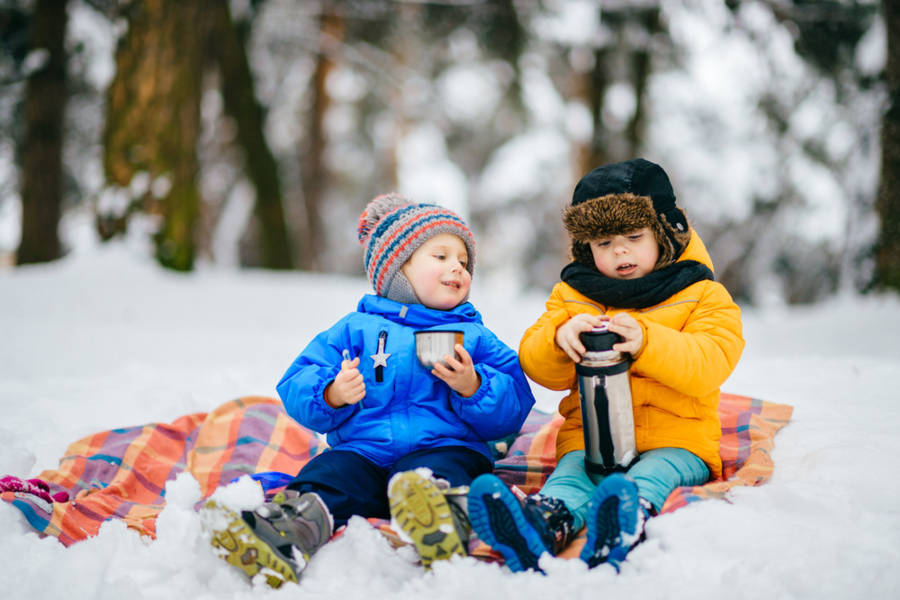
The most important practicality on your trip to Iceland will be staying warm and dry. To achieve this, you should pack plenty of layers for your tiny travelers. You should also bring a fully waterproof coat and trousers, as well as waterproof shoes. If it fits in your suitcase or backpack, an all-in-one waterproof romper is a great idea as well.
With one of these, you’ll be prepared for almost anything. You can wrap up your toddler in a waterproof shell and then add warm layers underneath as needed. Don’t forget warm hats, gloves, and socks, too. Snoods are particularly useful for everyone in the family, so pack a mini one if you can.
Another important outfit is a pair or two of snug pajamas and bed socks. You might also like to bring extra comfort blankets and a few favorite bedtime toys so your little companions have a piece of home while away from home. And whatever you do, don’t forget to bring your kid’s bathing suit. Iceland’s hot spring river, pools, and lagoons are going to be high on the agenda on a family trip.
When it comes to diapers and wipes, there’s no need to bring too many with you. These items are generally bulky to carry and are readily available to buy in Iceland.
Toys and Other Gear
If you are hiring a camper van for a road trip in Iceland, then you’ll likely have several long journeys. To keep little ones entertained along the way, have some books and toys within easy reach. You’ll likely already have a few car games up your sleeve anyway, but if not, read up on some beforehand.
Another thing that families find really handy on a road trip is a waterproof blanket. This is a simple and relatively compact item to pack, so it shouldn’t take up too much room. Once you’ve parked up your campervan at your campsite, you and your kid(s) are going to need some space and fresh air.
With one of these waterproof blankets, you can lay it down on the grass outside, load it up with games and books, and then let your kids entertain themselves. They get some breathing space outside the camper, and you can get on with cooking dinner or cleaning the inside of the vehicle.
When your whole family is sharing a small space, there are always going to be piles of boots, bags, and jackets spread about. A gear clip is a fantastic space saver and will help to combat this inevitable disorganization. Simply hook it to the ceiling of your rental camper, then clip on jackets and bags to air them out and save on space.

Eating and drinking in Iceland
When it comes to eating in Iceland, you shouldn’t have trouble locating food options that appeal to the whole family. However, if you have particularly fussy eaters or if you’re traveling on a budget, bring a few favorite snacks that you already know your squad enjoys. Things like dried fruit and nuts, cereal bars, and chocolate could just save the day when you’re struggling to find something suitable.
One particularly good food for little ones in Iceland is Skyr, a creamy, protein-rich yogurt available everywhere. It comes in a bunch of flavors and is a firm favorite. Ice cream is also a big feature of the Icelandic diet, another popular option for kids and families.
When it comes to staying hydrated, the best drink around is Icelandic tap water. Normally, tap water when traveling is not a first option, but Iceland’s is some of the purest and highest quality drinking water in the world. Just take reusable water bottles and sippy cups for babies, and keep topping them up to enjoy this free delight
When you do eat out in Iceland’s cafés and restaurants, you’ll find them to be very child-friendly. There will always be high chairs available and good baby-changing facilities. Additionally, breastfeeding in public is very much the norm in Iceland, so you won’t need to worry about feeling uncomfortable. No one will bat an eyelid.

Baby-Friendly Activities Along the Ring Road
You can go anywhere you like on your Iceland road trip with a baby, but our advice would always be to keep it short and sweet. Rather than spending too much time on the road, you’ll want to be outside exploring the great outdoors. So, schedule short journeys around nap time and don’t try to do too much.
Hot Springs/Swimming Pools
One of the best activities for little ones available all around Iceland is visiting a swimming pool, a tourist lagoon, or even a hot geothermal river. However, pay close attention to age limits. A few lagoons, like Sky Lagoon and Hvammsvik, have age limits (12 and 10, respectively). Most others don’t allow children under 2 years old. The good news is that the local swimming pools found in most communities have no age limit and are a nice, relaxing break.
Getting to Know the Wildlife
We all know that most kids adore meeting animals. So if you are visiting Iceland in spring and summer, you should definitely look up one of Iceland’s puffin colonies. Seeing these cheerful, feathered birdies in their cliff-top nesting areas is a real joy.
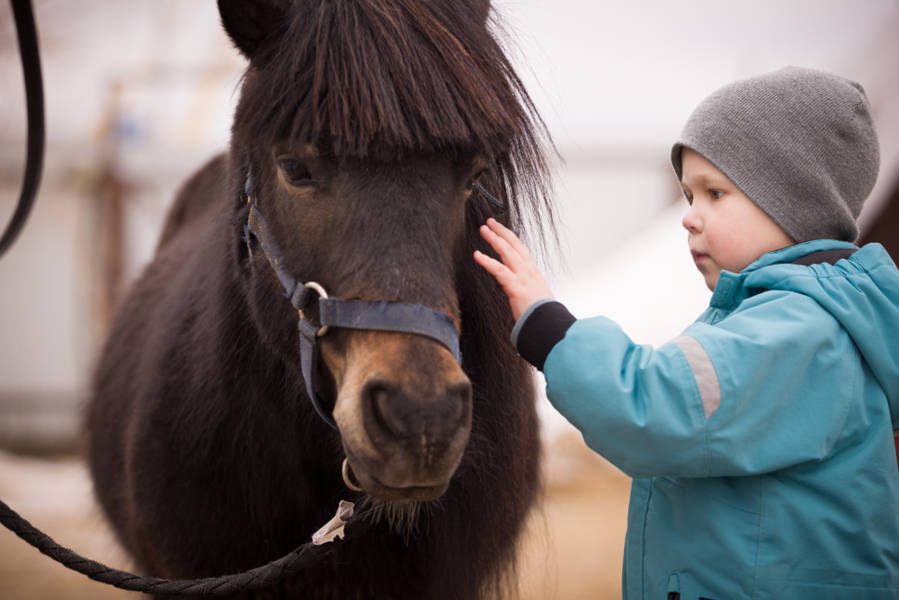
You could also join a whale watching tour to see the ‘Giants of the Ocean’ up close and personal. This is an awe-inspiring experience for all, especially if you are extra small. Icelandic horse riding tours are another fun activity for kids. If your children are too young for horse riding, there are some farms where you can meet and pet the horses instead.
Finally, you will find several zoos around Iceland. The Reykjavík Family Park & Zoo is the main zoo in Iceland, but don’t expect exotic Icelandic animals. If a petting zoo is more your style, you can stop at Daladýrð in Akureyri, the Icelandic Goat Center in Háafell, and Slakki Petting Zoo in the Golden Circle. There’s also a reindeer park in Egilsstaðir and a beluga whale sanctuary in Vestmannaeyjar.
Visiting Iceland’s Museums
Iceland has some world-class galleries and museums to explore, especially in Reykjavík. Most are extremely kid-friendly with play areas and interactive exhibits to get involved in. Particularly on a rainy day in the capital, a museum visit is a great activity to have up your sleeve.
Some great museum options for families with young children and babies include the following:
- Perlan
- Árbær Open Air Museum
- Whales of Iceland
- The Saga Museum
- The National Museum of Iceland
- Reykjavik Maritime Museum
A visit to the Lava Show can also be entertaining and educational for children of all ages.
Best Campsites and Overnight Stops for Families
Where you stop and how often will greatly depend on how much you plan to see, the weather, and how your baby handles long car rides. As you explore your options for the best campsites and overnight stops for your journey, here’s a list of some of our favorites:
- Camping Selfoss: A convenient base for southern day trips or as your first night before continuing along the South Coast. There are plenty of shops and amenities in town.
- Þakgil: If you want a more remote location and have a 4x4 campervan, this campsite offers some dramatic scenery.
- Skógar Campsite: Spend the night right by Skógafoss waterfall, but keep in mind that amenities are minimal.
- Skaftafell Campground: Inside the national park, it’s the perfect location in the southeast corner before heading up the east side.
- Egilsstaðir Campground: A perfect place to break up the drive north. Stock up on groceries and supplies in town before continuing around the Ring Road.
- Camping Myvatn: Enjoy camping right along the lake with convenient access to nearby hiking areas.
- Camping Hamrar: Conveniently located on the outskirts of Akureyri, you can restock groceries and supplies and enjoy all the amenities of the town.
- Hellissandur Camping: If you want to stay on the Snæfellsnes Peninsula, this campground is close to the beach and offers other opportunities to explore the peninsula.
- Borgarnes Camping: This campground is a good choice between Akureyri and Reykjavík. The campground has all the amenities you need and is close to town.
- Reykjavík Eco Campsite: A perfect stop for your first and/or last day. You’ll be in the heart of the city for exploring and close enough to get to and from the airport on arrival and departure.

Frequently Asked Questions
Is Iceland safe to travel with a baby?
Yes, traveling in Iceland with a baby is very safe. Just be mindful of the weather warnings and be prepared to change your plans if the weather requires it.
Is a campervan safe for a baby?
Yes, as long as you use the proper safety seat during your drives and don’t let your baby sleep in the campervan beds while driving, it is just as safe as any other vehicle. Choose a campervan with good insulation to help stay warm overnight.
Should we bring a stroller or a baby carrier?
While some places have good paths that will accommodate a stroller, it is usually best to have a baby carrier instead. An all-terrain stroller is a better choice than a smaller one. Also, keep in mind that a campervan may have limited space to store a stroller. Carriers take up less space.
Can we buy baby supplies in Iceland?
Yes, Iceland may not have the same brands that you have at home, but they carry all the baby essentials in stores. You can find diapers, wipes, formula, and baby food in all Icelandic grocery stores.
How cold is it for babies, really?
Iceland can be quite cold for babies, especially if you’re from a warmer climate. Dress the baby in layers, use waterproof and windproof outer layers, and keep an eye on the wind. The wind will make it feel colder.
Do campsites have baby-friendly facilities?
Most campsites will have toilets and showers. Some may have an indoor kitchen for preparing meals or sheltered areas. However, you may not find changing tables in the restrooms, so be prepared to change the baby in the campervan. Public pools, restaurants, and gas stations will typically have changing tables.
Is breastfeeding/bottle-feeding easy while traveling?
Feeding your baby won’t be a problem. Breastfeeding is acceptable in all public locations. For bottle feeding, you can find formula in the grocery stores, and most places will have hot water or kettles available for making formula.
How long should we drive each day with a baby?
Plan for no more than 2-4 hours of driving each day. Be sure to plan for plenty of stops to change and feed the baby and get everyone out of the vehicle for a while. Shorter days generally lead to a happier baby and parents.
If you’re thinking about renting a van in Iceland with a baby, don’t hesitate any longer. Traveling with a little one can be challenging, but it’s well worth the effort. With a little planning and these helpful tips, you can make memories that will last a lifetime with your little travel companion.