
 By
By 
If you're trying to figure out how to heat your campervan in Iceland, start here. Outside of summer, it gets cold fast. Not gradually. But, fast as in FAST. And the wind doesn’t help.
Most people underestimate that part. They see a heater and assume they’re sorted. Not quite. Heating helps. But staying warm comes down to how you use it, where you park, and how much heat you’re losing in the first place.
Get that wrong, and the heater won’t save you. We’ll go through what actually matters, and where people usually mess it up.
What Heating Systems Campervans Use in Iceland
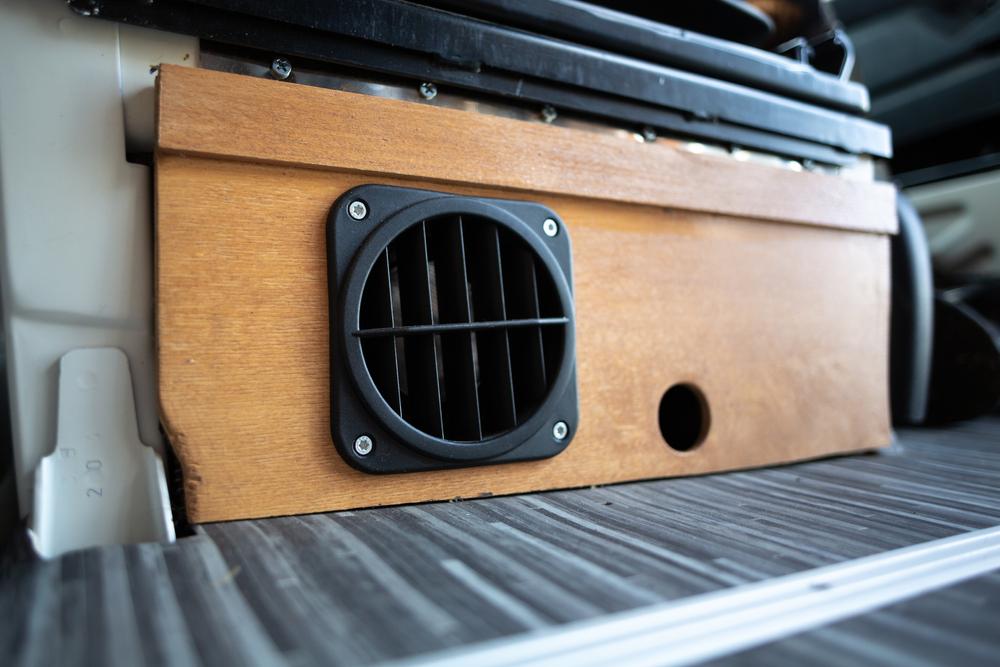
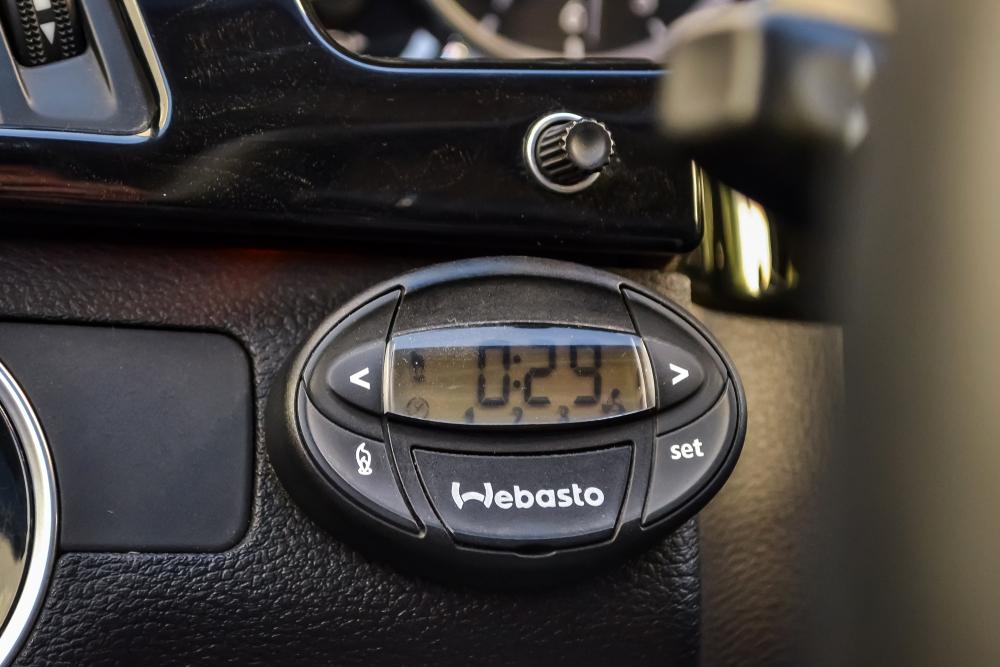
Heating is essential if you plan to rent a campervan in Iceland outside of June to August. But you also need to know what your van actually has. Some of our vans, like the Go Plus and Campervan XL, use diesel systems like Webasto.
These run independently, which is what you want. They are reliable, consistent, and don’t require campsite electrical hookup. Others, like the Play Max models, rely on electric hookups, which is where you will need campsites with electricity.
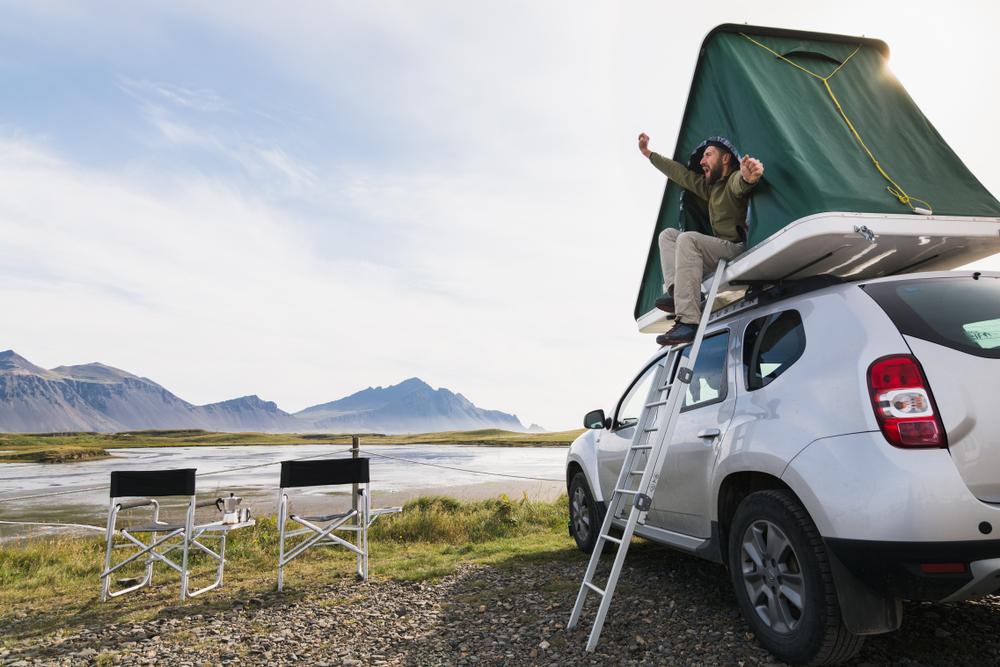
Rooftop tents? No built-in heating at all. They’re insulated better than you’d expect with fiberglass sides, so they handle Icelandic weather quite well. But let’s not pretend it’s the same thing as having a heater.
Which Months do You Need Heating in Iceland
It’s not about the month. It’s about how cold it actually gets. And the wind. Summer in Iceland looks fine on paper. 10 to 15°C (50 to 59°F) during the day. Then the sun drops. Suddenly it’s 5 to 8°C (41 to 46°F), and you’re wondering why you didn’t take heating seriously.
Shoulder season is less forgiving. September to November. March to May. You’ll need heating every night. No debate on that. Temperatures sit around 0 to 7°C (32 to 45°F), and the wind can easily be below freezing.
Winter is even less forgiving. Days are closer to -2 to 2°C (28 to 36°F). Nights drop to -10°C (14°F) or worse. Add wind speeds hitting 20 m/s (45 mph), and the van loses heat fast.
How Campervan Heating Systems Perform in Iceland
The heater usually isn’t the problem. Heat loss is. People expect campervan heating to work like a hotel room. It doesn’t. It’s a small system fighting a constant leak. In calm conditions, most diesel or electric heaters can hold around 15 to 20°C (59 to 68°F) inside when it’s 0 to 5°C (32 to 41°F) outside. That’s the easy version.
Then the wind shows up, and the nightmare starts. Park in an exposed spot, and 20 to 30 m/s gusts (45 to 67 mph) start pulling heat out of the van faster than the heater can replace it. Now it feels like the system ‘isn’t working.’
It is. You’re just losing the fight elsewhere. Windows, gaps, and bad insulation. That’s where your heat disappears. Control that, and the heater does its job. If you ignore it, nothing will feel warm enough.
Is Built-In Heating Enough in Winter?
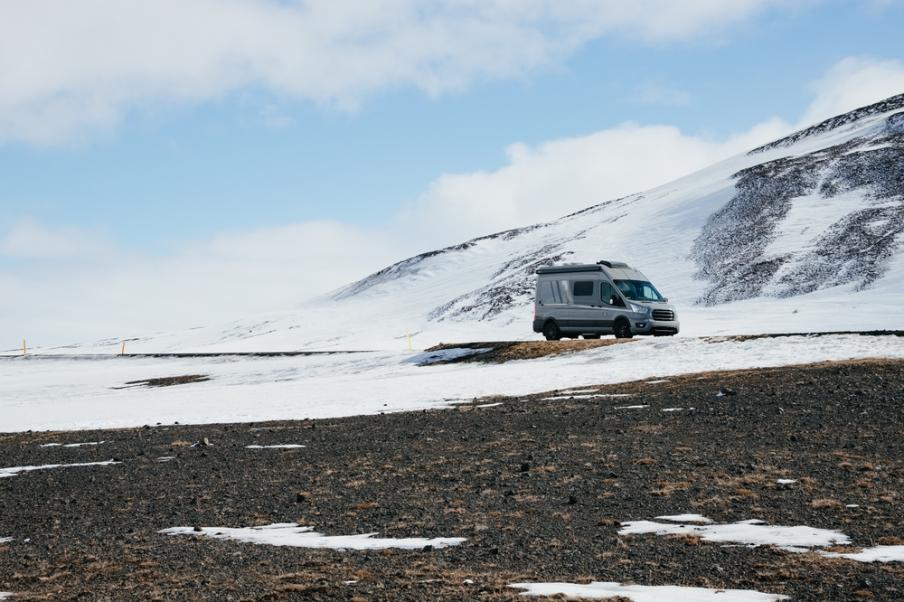
It is usually. Built-in heating during winter in Iceland in a campervan is usually enough. But not on its own. If your van is properly insulated, airflow is controlled, and you don’t park like an idiot, you’ll stay comfortable down to about -5°C (23°F).
In a well-prepared setup, you can stay comfortable even when outside temperatures drop to -5°C (23°F). But that assumes decent insulation, controlled airflow, and smart parking. Move into exposed areas with strong wind, and the heater starts losing the battle.
The heater will fail in extreme cold conditions below -10°C (14°F), poor insulation, or a careless setup. Leave gaps open, park in the wind, or rely only on the heater, and the interior will feel unbearably cold.
Can You Run the Heater All Night?
Yes. That’s what it’s built for. Most diesel heaters are designed to run continuously, so leaving it on overnight isn’t the issue. How you run it is. Keep it on low to medium, and it’ll sit around 0.1 to 0.25 L per hour. That’s enough to get through a normal winter night without problems.
If you start messing with it, then things can go sideways for you. If you run it too high, you’ll burn through fuel fast (roughly 0.5L per hour to give you an idea.) Now, if you run it too low, the obvious happens. You wake up freezing.
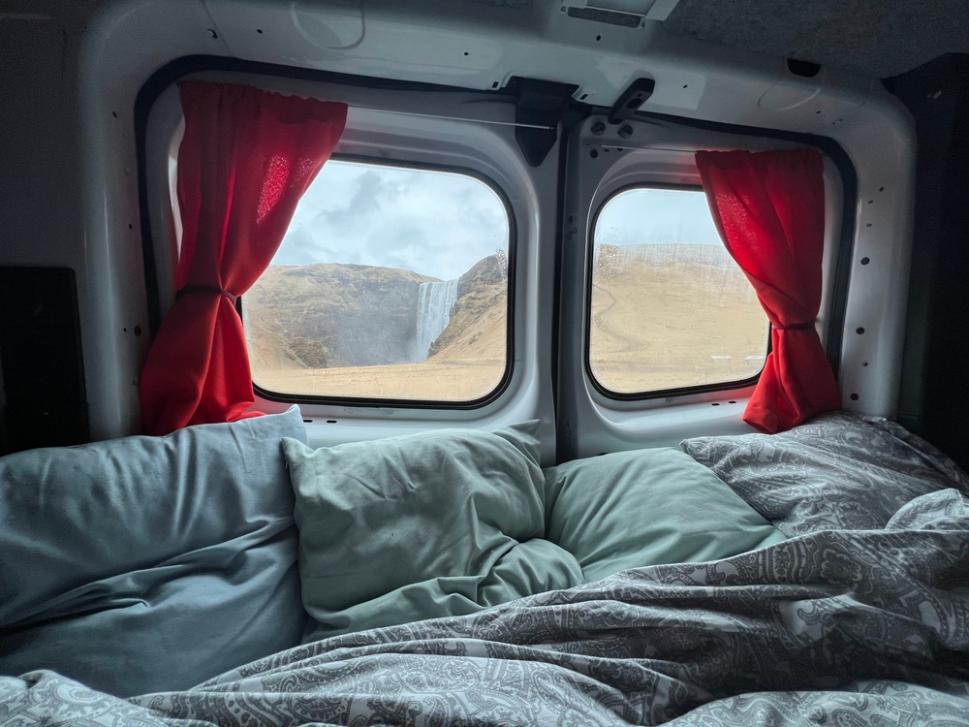
What to Do if Your Campervan Has No Heater?
If you plan to come camping in Iceland in a van without a heater, then plan like it. No heater changes everything. You can’t treat it like a normal setup. Start with your route. Stick to campsites with facilities and stay out of exposed areas unless you enjoy freezing for no reason. The wind will make it worse. It always does.
And timing matters more than anything. Outside of summer, a campervan without heating becomes a bad idea fast. You’ll feel it the first night. Do you want a easier fix? Just book a van with heating when you come.
How Can You Stay Warm in a Campervan in Iceland Without a Heater?
How to heat your rental campervan in Iceland without a heater is still possible if you use these tricks:
- Use proper sleeping bags - Rated below 0°C (32°F). We rent out sleeping bags rated for -12°C as an extra add-on.
- Layer your clothing - Thermal base layers, socks, and a hat make a real difference here.
- Stay dry at all costs - Damp clothes will just add to your misery.
- Eat something warm before bedtime - This will help raise your core temperature before sleeping.
- Use campsite facilities - Warm up before bed if you have access to heated spaces.
- Sleep smart- Keep your head covered since you lose roughly 10% of body heat through your head, and avoid contact with cold surfaces.
Is It Safe To Sleep Without Heating in a Campervan in Iceland?
In summer, yes. You’ll be fine. Just don’t expect it to stay warm. A campervan loses heat fast, so whatever it is outside… that’s what it’ll feel like inside. This isn’t really about safety. It’s about sleep. You’re not going to freeze to death in stable summer conditions. But you might not sleep well either.
Is It Safe To Use Portable Heaters Inside a Campervan?
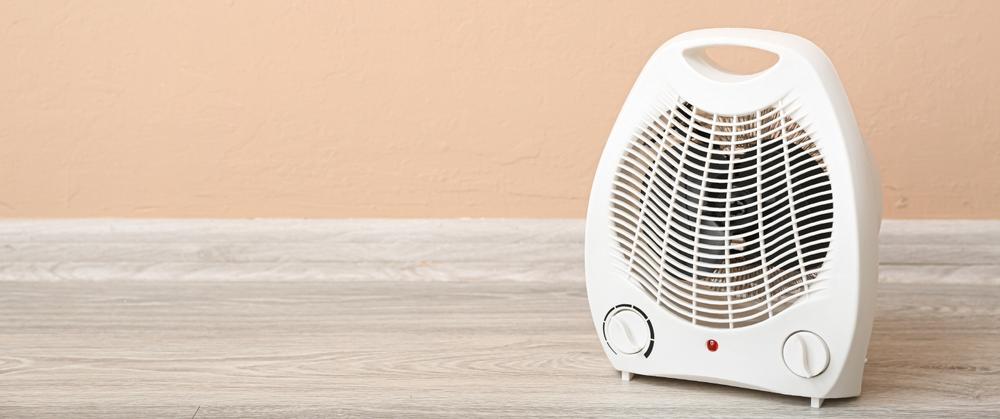
Yes. But this is where people get careless. Only use a heater that’s actually designed for indoor use. Give it space. And don’t leave it running unattended, ever! Electric heaters are the safest option, but only when you’re plugged into campsite power. That’s the key part.
Running one through your camper’s inverter? Don’t. It’s not built for that kind of load, and you’ll run into problems fast. This is one of those things that’s simple… until someone tries to get clever with it.
What Heating Methods Should You Never Use Inside a Campervan?
Anything that burns fuel in a closed space without proper ventilation. Just don’t. That includes:
- Gas stove used as a heater
- Charcoal
- Kerosene or paraffin heaters
- Patio or gas heaters
How to Avoid Carbon Monoxide Risks When Heating a Campervan
Carbon monoxide doesn’t warn you. It’s odorless silent killer. So don’t take shortcuts here.
- Use proper systems - Built-in, correctly installed heating only
- Keep airflow open - Don’t block vents, even if it feels counterproductive
- Check your detector - Make sure it’s working before you go to sleep

Ventilation and Heating: Why Airflow Is Essential in Cold Weather
Ventilation matters more than people think. Seal the van completely and it goes downhill fast. The air gets damp, stale, and uncomfortable. You’re breathing. You’re cooking. All that moisture has nowhere to go. It builds up on windows and walls, and suddenly the van feels colder, not warmer.
Leave it like that long enough, and you’re dealing with mold as well. Then there’s the heater itself. Fuel-based systems use oxygen and produce gases. Without airflow, that builds up too.
You don’t need to open everything up. Just a small window is enough to keep air moving. Short bursts of fresh air work even better. Clear the moisture, reset the air, and move on.
What Are the Best Tips to Keep Your Campervan Warm in Iceland?
Small habits make a bigger difference than people expect. Get these right before bed and the night feels completely different.
How to Reduce Heat Loss Inside Your Campervan
Heat loss is a constant battle. Do this to minimize it:
- Face the van away from the wind - Cuts down heat loss immediately
- Park level - Helps the heat spread properly instead of pooling in one spot
- Check your power - Battery or fuel, make sure you’re not guessing
- Keep it dry - Damp gear inside will ruin the temperature fast
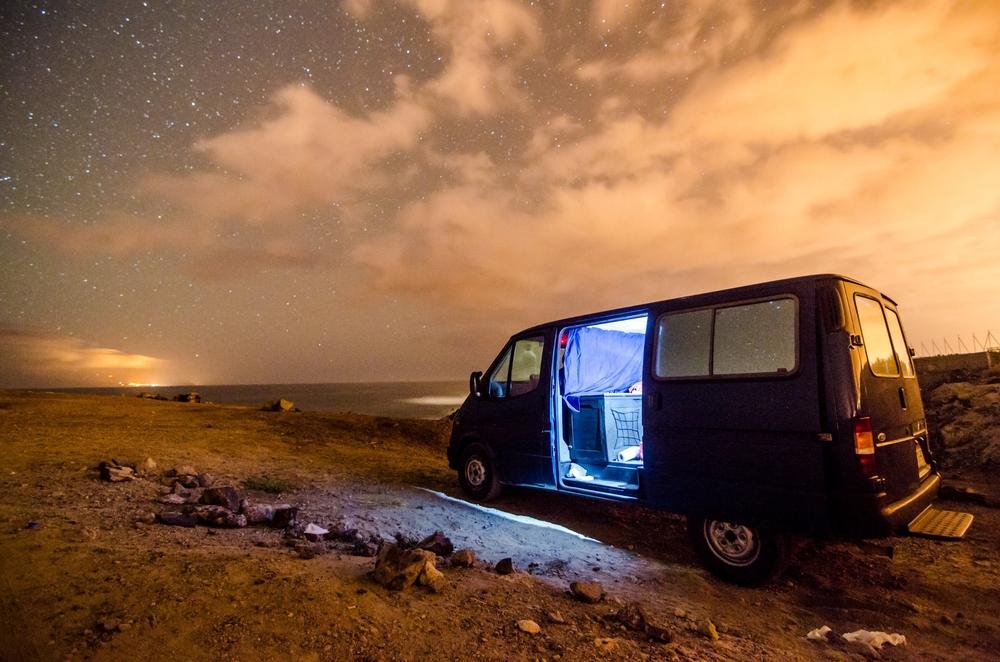
What Clothes and Sleeping Gear Help Most When Camping in the Cold?
Focus on keeping your body heat as stable as possible throughout the night by doing this:
- Wear a beanie - As we already told you, you lose a surprising amount of heat through your head
- Keep sleep clothes separate - Dry layers only. Anything damp ruins it
- Avoid tight layers - Cuts circulation, which makes you feel colder
- Use a hot water bottle - Simple, but it holds warmth for hours
Do Thermal Curtains and Insulation Really Make a Difference?
Yes. More than most people expect. Heat escapes through the weak spots first. Windows, walls, the floor. That’s where you’re losing it.
Windows are the main problem. Leave them exposed and you’re bleeding heat all night. Cover them early, and the inside temperature stabilises much faster. Thermal curtains help by trapping a layer of air between the glass and the cabin. Slows heat transfer.
Takes pressure off the heater. End result? Less fuel used, heat lasts longer, and you’re not constantly turning the heater up trying to keep up.
How to Heat Your Rental Campervan in Iceland Without Mistakes
How to heat your campervan in Iceland comes down to control. The heater matters, sure. But your setup and habits matter more. Heat loss, airflow, where you park, how you use the system. That’s what decides whether you stay warm or not.
Get those right, and even a basic setup works fine. Ignore them, and no heater will feel strong enough. That’s where people get it wrong. Pay attention to conditions. Use the system properly. Don’t cut corners.