
 By
By 
Camping in Iceland sounds easy until it isn’t. This isn’t the kind of country where you pull over, pitch a tent, and call it freedom. It’s regulated and weather-driven. And if you get it wrong, it gets expensive fast. Wild camping is restricted. Campsites aren’t optional. If you want to do it legally and stay dry, a campervan is your best bet.
This guide comes from people who rent campervans in Iceland for a living. We don’t just know the rules. We see what happens when travelers ignore them. They often end up with wrecked plans, fines, and miserable nights.
Sure, the official sites explain the basics. But they don’t deal with soaked gear, snapped doors, or police wake-up calls. We do. If you're serious about camping in Iceland, start with someone who’s cleaned up the mess before. Not someone just quoting regulations from behind a desk.
Why Camping in Iceland Is Best Done by Campervan
Most people still picture tents when they think of Iceland’s camping scene. That’s outdated. This is a country where storms roll in sideways, and roads close without warning.
When you rent a camper van in Iceland, it fixes the three biggest problems we see every season:
- Weatherproof shelter - Rain, wind, frost, repeat. Campervans hold up when tents snap and basic vans flood.
- Flexible rerouting - Road closed? Forecast turns? Skip the panic. Drive, park legally, and sleep warm.
- Built-in systems - Heat, power, and storage that don’t rely on campsite access or an open café.
Forget the freedom pitch. Real freedom is not scrambling for cover or hoping the police don’t knock. We tell first-time visitors the same thing every time. If you’re doing Iceland’s camping circuit, do it in a campervan or prepare to learn the hard way.
Is Wild Camping Allowed in Iceland?
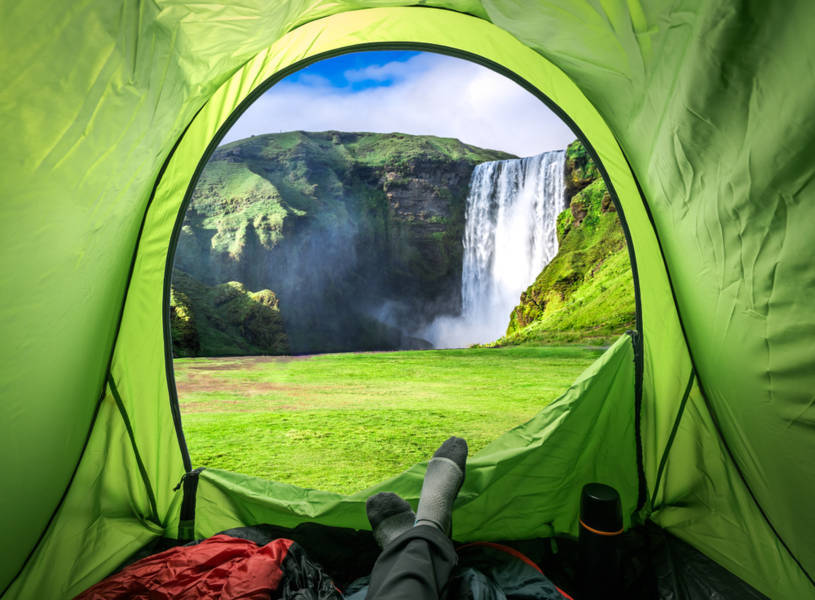
No, wild camping isn’t allowed ever. Not in a campervan, not in your car, not ‘just for one night.’ The rules changed for a reason, and the fines are real. Keep reading, and we’ll show you exactly what’s allowed, what isn’t, and where most people get it wrong.
Wild Camping Rules for Campervans and Motorhomes
Since 2015, Icelandic law has required all campervans and motorhomes to stay overnight at registered campsites. The rule exists to protect fragile ground, limit overuse, and stop vehicles from damaging areas that never recover properly. Even so, people still try to get away with one night off-grid.
Private land is not a workaround. Written permission is rarely granted, and anything near farms, homes, or livestock gets attention fast. Locals report illegal camping directly to the police or district commissioners, usually with license plates and exact locations. Rangers follow up. Police show up.
You don’t always get caught immediately. Sometimes it’s later at a fuel stop. Sometimes it’s the second night in the same spot. Fines start at 50,000 ISK (around 360 USD) and escalate quickly. We’ve seen trips derailed over this. One illegal night can cost far more than a campsite ever would.
Key rules:
| Topic | What You Need to Know |
|---|---|
| Is Wild Camping Allowed? | No. Since 2015, campervans and motorhomes must stay overnight at registered campsites only. |
| Why the Rule Exists | To protect fragile landscapes, prevent long-term ground damage, and reduce overuse of natural areas. |
| Private Land Camping | Not a loophole. Written permission is rare, and camping near farms, homes, or livestock draws immediate attention. |
| How Enforcement Works | Locals report illegal camping with license plates and locations. Rangers investigate. Police follow up. |
| When You Might Get Caught | Not always immediately. Sometimes later at fuel stations or after repeated nights in the same spot. |
| Fines | Start at 50,000 ISK (≈ 360 USD) and increase quickly depending on the situation. |
| Real Impact on Your Trip | Fines can derail travel plans. One illegal night often costs far more than multiple campsite stays. |
Wild Camping Rules for Tents
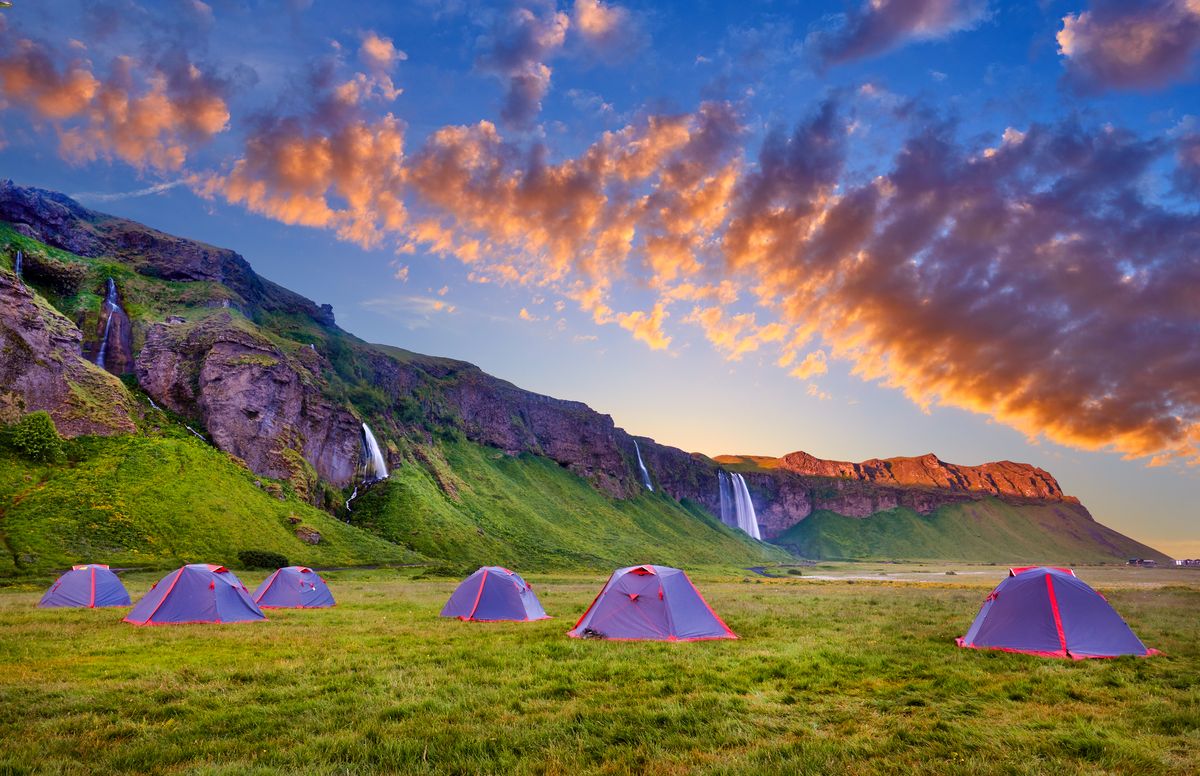
Tent camping outside of designated sites is legal in Iceland only under strict, narrow conditions. You can camp on truly uncultivated, non-private land for one night, with up to three tents, but only if there’s no campsite, farm, or residence nearby. If there's a ‘no camping’ sign, it’s not allowed.
This rule comes from the Nature Conservation Act, and while it still technically applies, it rarely works for visitors. It doesn’t apply in national parks, nature reserves, or the most popular areas near roads and tourist routes. That includes places like Thingvellir, Skaftafell, and Vatnajökull. In short, most of Iceland’s campgrounds exist because wild camping isn’t viable.
Even where it's legal, the weather makes it miserable. Freezing rain, wind gusts over 80 kilometers per hour (50 mph), flooded ground, and zero protection. This exception does not apply to campervans or motorhomes. If you’re sleeping in a vehicle, you’re using a campsite. No debate.
Where Are You Allowed to Camp in Iceland?
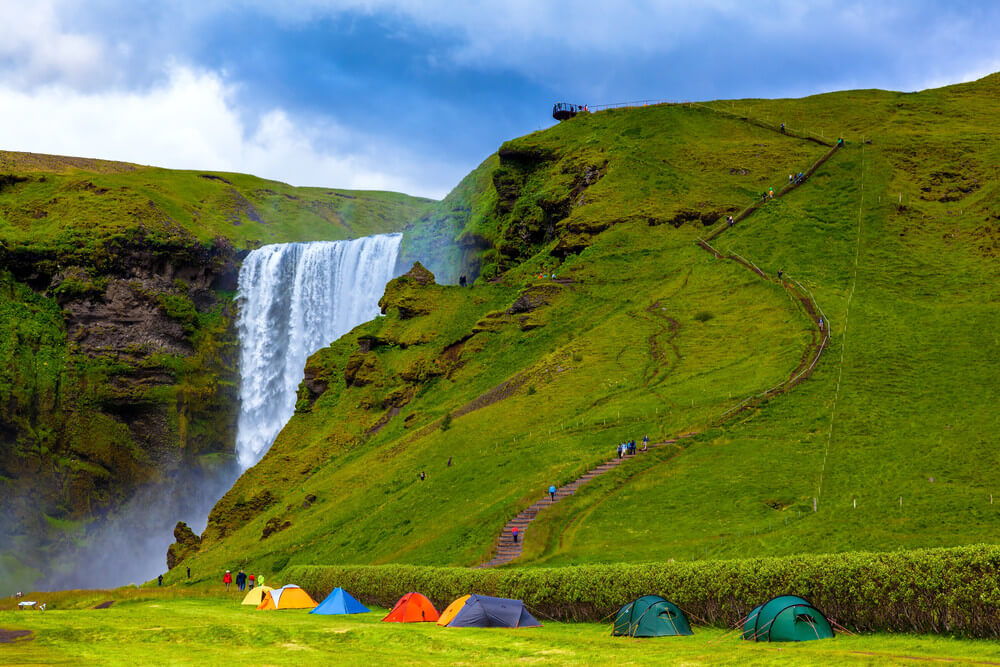
Iceland has over 200 legal campsites, listed on tools like the Iceland Campsites Map at Camping.info or Utilegukortid.is. Some have full facilities in town. Others are just open fields with water. In places like Þórsmörk or Skaftafell, you’re only allowed to camp at marked sites. If it isn’t official, it’s off limits.
Parking is not the same as camping. Short daytime stops, up to 30 minutes, are allowed at rest areas or viewpoints. But once you sleep, cook, or stay into the night, it becomes illegal camping.
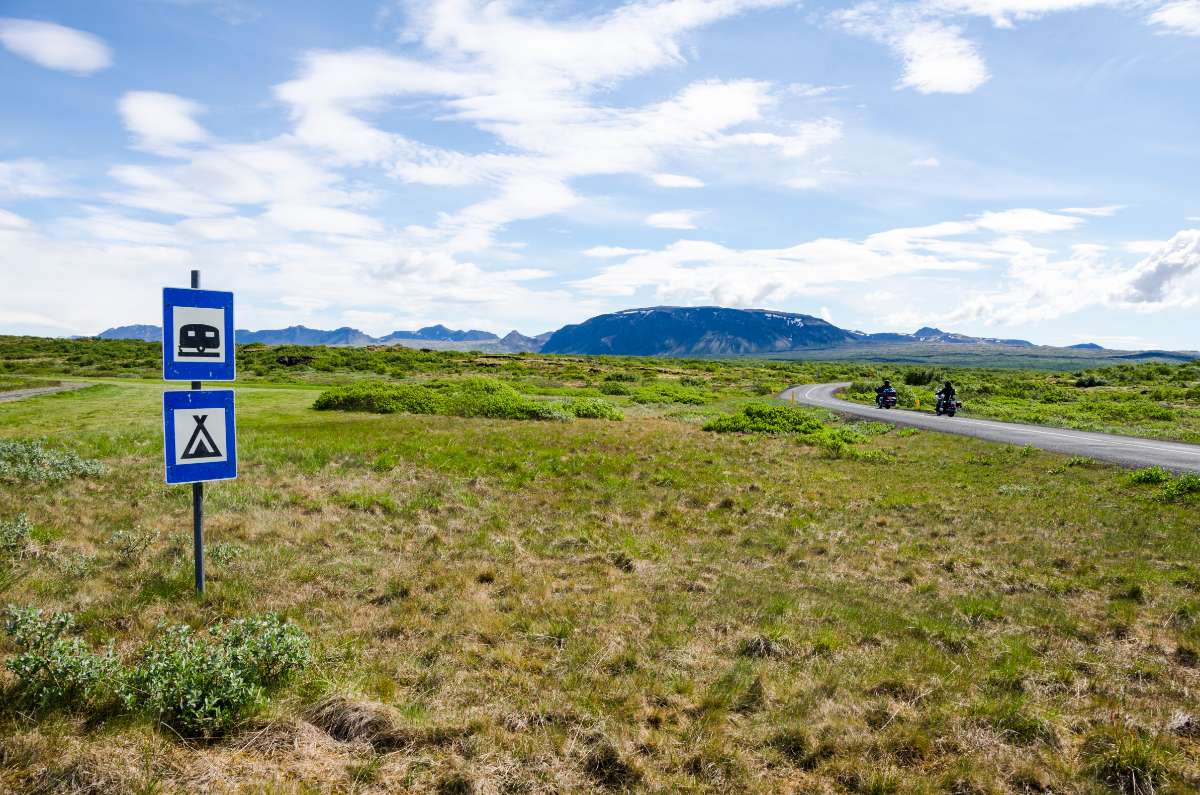
If there’s no tent symbol, it is not a campsite. If there is a ‘No Camping’ sign, take it literally. Quiet does not mean legal. Every summer, visitors guess wrong and wake up to fines or police.
Campsites in Iceland: What Campervan Travelers Can Expect
Most camping sites in Iceland offer the basics: toilets, showers, potable water, and a shared kitchen. Some have dump stations, WiFi, and electricity hookups. Rural sites are usually bare-bones. Bigger towns like Reykjavik have full setups, but they come at a price.
Most campsites run on a first-come, first-served system. Flat gravel spots fill early, especially in summer. If you roll in late, after 10 PM, expect a self-check-in box or an honesty system. Open fields mean open wind and vans shake, while awnings may rip.
Some people even run generators, and kids don’t always sleep. From May to September, options are everywhere. Once October hits, most sites shut down. Only a handful of heated urban ones stay open through winter. Refer to our guide about year-round open campsites for more details.
How Much Does Camping in Iceland Cost?
Most of Iceland’s campsites charge between 1,500 and 3,500 ISK per person per night (around 11 to 25 USD). It’s per person, not per vehicle. Two adults? Double it. Kids often pay half or nothing. Sites near popular spots cost more in summer. Campsites in towns like Reykjavik also add a 400 ISK tourist tax per campervan.
Then come the extras. Electricity hookups run 1,000 to 1,500 ISK (7 to 11 USD) per day. Showers cost 500 to 1,000 ISK (3.50 to 7 USD) for five to eight minutes. Laundry adds another 600 ISK (about 4.30 USD) per load. Expect 2,000 to 5,000 ISK (14 to 36 USD) per person, per night when it’s all added up.
Camping still saves money. Hotels start around 20,000 ISK (140 USD) per night. Campsites usually bring your total accommodation cost to 20 to 30 percent. You can also take out a Camping Card, which costs around 26,000 ISK (205 USD) for 28 nights but doesn’t cover add-ons, and it’s not worth it if you only come for a week or so. Yes, there are also free campsites in Iceland. Can you believe it? We made a guide. Read it, and thank us later.
Summary:
| Cost Category | Typical Price | Key Notes |
|---|---|---|
| Campsite Fee | 1,500–3,500 ISK per person / night (≈ 11–25 USD) |
Charged per person, not per vehicle. Two adults = double cost. Children often pay half or nothing. |
| Seasonal & Location Impact | Higher in summer | Campsites near popular attractions and major towns are more expensive. |
| Tourist Tax (Reykjavík) | 400 ISK per campervan | Added on top of nightly camping fees in Reykjavík campsites. |
| Electricity Hookup | 1,000–1,500 ISK per day (≈ 7–11 USD) |
Optional extra, charged separately. |
| Showers | 500–1,000 ISK (≈ 3.50–7 USD) |
Usually 5–8 minutes per token. |
| Laundry | 600 ISK per load (≈ 4.30 USD) |
Dryer often costs extra. |
| Total Camping Cost (All-In) | 2,000–5,000 ISK per person / night (≈ 14–36 USD) |
Includes base fee plus common add-ons. |
| Hotel Comparison | From 20,000 ISK per night (≈ 140 USD) |
Camping usually costs only 20–30% of hotel prices. |
| Camping Card | ≈ 26,000 ISK (≈ 205 USD) | Valid for 28 nights, but excludes extras. Not worth it for trips under ~1 week. |
| Free Campsites | Yes (limited) | Rare but real — require planning and up-to-date info. |
Camping in Iceland by Season
Every other season demands backup plans, heating, and real flexibility. Here’s what each season means for campervan travel in Iceland, and how to figure out the best time to visit Iceland in a camper based on what you can actually handle.
Camping in Iceland in Summer
Summer in Iceland looks simple until it isn’t. From June to August, camping in Iceland means fighting crowds, full campsites, and tight grocery windows. By 4 PM, gravel pitches near popular towns like Selfoss, Vík, and Höfn are packed. First-come-first-served fills fast. Some folks even drive another 100 kilometers (62 mi) just to sleep.
The midnight sun gives you over 20 hours of daylight. Great for hiking but terrible for sleeping. Tent walls do nothing against noise or light. People still cook at midnight, and kids scream at 2 AM. Nobody’s tired, but everyone’s exhausted.
Roads are clear and most F-roads open to 4x4 vans, but flexibility fades. Overflow fields sometimes take in late arrivals, but don’t expect a shower or quiet. Sites listed on Utilegukortid and covered by the Camping Card book out early.
Camping in Iceland in Shoulder Season
Shoulder season in Iceland runs through May, September, and October. Crowds thin out, and campsite space opens up, but only 30 to 50 percent of camping sites in Iceland stay open. Rural spots close first. Towns like Reykjavik and Selfoss become your fallback.
Weather changes fast. One sunny morning becomes sleet by lunch. F-roads close overnight with no warning. Check the Vedur.is constantly. Campervans are built for this. Diesel heating becomes non-negotiable once temperatures drop below freezing. So does the ability to reroute when the Highlands are washed out.
This is the season for people who know what they’re doing. Couples chasing northern lights, and photographers hunting fall colors. This season is not for families or first-timers scared of wind warnings and five-degree nights. Book campsites with power, and bring extra propane. And don’t assume the road ahead is open just because the sun came out for ten minutes.
Camping in Iceland in Winter with a Campervan
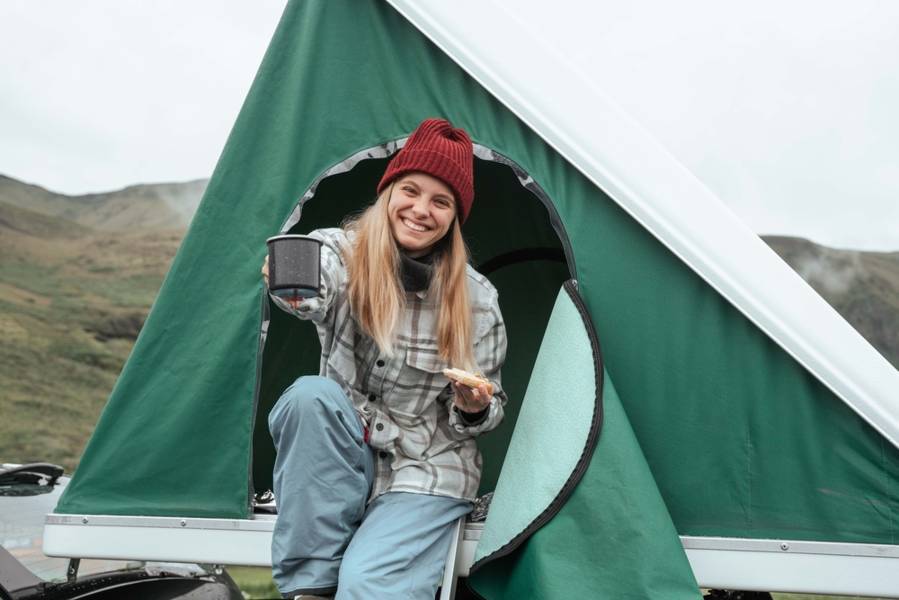
Winter camping in Iceland is not for beginners. Between November and March, conditions push every limit. Only 10 to 20 of Iceland’s campgrounds stay open, mostly in towns like Reykjavik, Akureyri, and Hella. These offer heated bathrooms, power hookups, and snow clearance. Rural sites shut down completely. Showers often close after 8 PM.
Daylight drops to four to six hours. F-roads and mountain passes shut down completely. One storm can bury a van overnight or cut visibility to nothing. If you need a fixed plan, winter will ruin it. The van matters more than your itinerary.
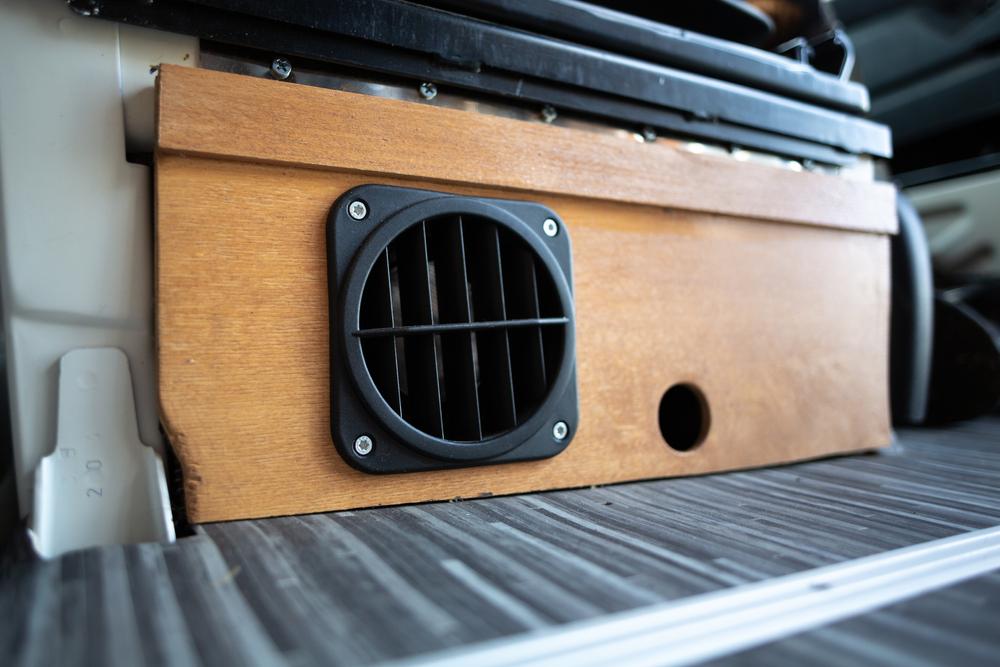
You need a 4x4, winter tires, insulation, a diesel heater with at least 5kW output, and backup fuel. Stock extra food and charge every battery. Umferdin.is becomes your best friend to see road closures. Ignore it, and you might spend the night in a snowdrift.
Choosing the Right Campervan for Camping in Iceland
Size matters, but not how you think. Smaller vans, around 4 to 5 meters (13 to 16 feet), are easier to drive, park, and fit into crowded sites. Large motorhomes over 6 meters (19 feet) burn fuel, struggle in wind, and don’t belong on tight gravel roads. Unless you’re hauling a full group, go compact.
If you’re camping in Iceland, insulation and heating are not optional. Look for diesel heaters, underfloor insulation, and double-glazed windows. All our rooftop tents are built from thick fiberglass for maximum wind and weather protection.
A summer van in shoulder season is a fast track to freezing at night. 2WD works in summer on paved roads. For F-roads, winter, or shoulder months, you need a 4x4 with clearance. It costs more, but getting stuck costs more than that.
Best Campervans for Each Season in Iceland
Here’s what we actually recommend from our fleet, based on what works and what doesn’t.
Summer (June to August)
- Campervan Play ECO - Budget-friendly and simple. No heater. Only book if you don’t mind cold nights and stick to paved roads.
- Campervan Play Max (auto) - EHU heating for cool nights. Compact, comfortable, and campsite-ready.
Shoulder Season (May, September, October)
- Campervan Play Max + - EHU heating, good insulation. Great for couples avoiding the crowds.
- Dacia Duster 4x4 Roof Tent - Works well early or late season. But only if you know how to handle cold nights in a tent.
Winter (November to March)
- 4x4 Hilux Campervan - Diesel heating, clearance, and space. Built for storms.
- Campervan California Beach 4x4 - Full comfort with proper heating, sleeping space, and power in harsh conditions.
Essential Add-Ons for Campervan Travel in Iceland
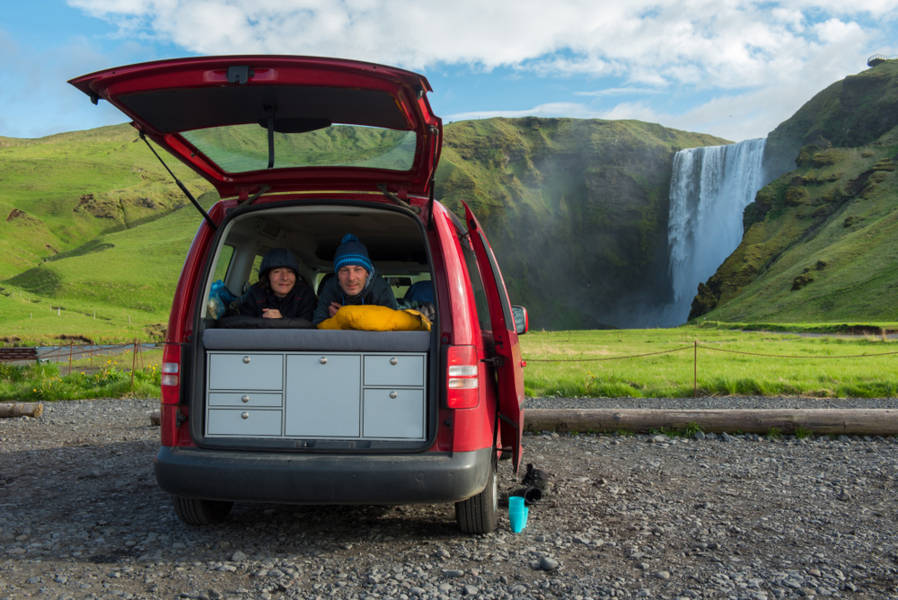
Here's what extras to consider beyond the base price for a more comfortable trip:
- SCDW Insurance drops your self-risk from 350,000 ISK to 50,000 ISK. Worth it.
- Gravel Protection covers windshields and paint chips with zero deductible. You’ll want it.
- Sand and Ash Protection is critical in dry, windy zones like the South Coast.
- Extra Drivers need to be registered to be insured. Simple, but often missed.
- Camping Card gives access to 46+ sites. Works best for long trips.
- Inverters power laptops and cameras.
- WiFi keeps you connected.
- Sleeping bags and heaters are musts in shoulder and winter seasons. Don’t gamble.
You’ll see which extras are included with your van during the booking process. Refrigerators, GPS, child seats, and chairs are all optional. Full insurance bundles and a Zero Risk plan cut stress entirely.
Practical Campervan Camping Tips in Iceland
Planning to go camping in Iceland? Here’s what actually matters once you hit the road.
Campsite Strategy
- Arrive by 4 PM in summer to get a flat, sheltered spot.
- Campsites fill fast after 6 PM. Pre-book or show up early.
- Not all campsites have laundry. Ask at the swimming pools to use their machines.
- Respect quiet hours after 10 PM. No generators. Dim your lights.
Vehicle Setup
- Park nose-in to the wind. Face doors away from gusts.
- Bring spare stakes, guy lines, and test your heater every night.
- Refill water at fuel stations. Dump waste only at proper stations.
- Use Umferdin.is to track storms. Be ready to reroute 50 km or more.
Travel Prep
- Bring a sleeping mask for summer. Budget for guesthouses in winter.
- Use GPS or offline maps. Pack power banks and an adapter.
- Bring warm layers year-round, a swimsuit, a shovel, and toilet paper.
- Icelandic tap water is safe. Bring a reusable bottle.
- Want fewer crowds? Go east.
Frequently Asked Questions About Camping in Iceland.
What happens if I arrive at a campsite late at night?
Most campsites have self-check-in boxes or honor systems after 10 PM. Just don’t show up expecting staff.
What if my campervan breaks down or I get stuck in a storm?
Call us. Then check Umferdin.is for updates. In winter, always leave space in your plan (and budget) for a guesthouse if things go sideways.
Will I get fined for dumping grey or black water roadside?
Yes. And possibly worse. Use only official dump stations. Locals don’t tolerate abuse. Neither do we.
Is camping in Iceland a good idea?
Yes, if you’re prepared. Iceland rewards flexibility, self-sufficiency, and people who don’t panic when the weather shifts. Campervans give you freedom and cover as long as you stick to the rules and plan ahead.
Is it expensive to camp in Iceland?
It’s cheaper than hotels, but not ‘cheap.’ Campsite fees range from 1,500 to 3,500 ISK per person (11 to 25 USD). Still, camping can keep your total accommodation costs around 20 to 30 percent of your trip budget.