
 By
By 
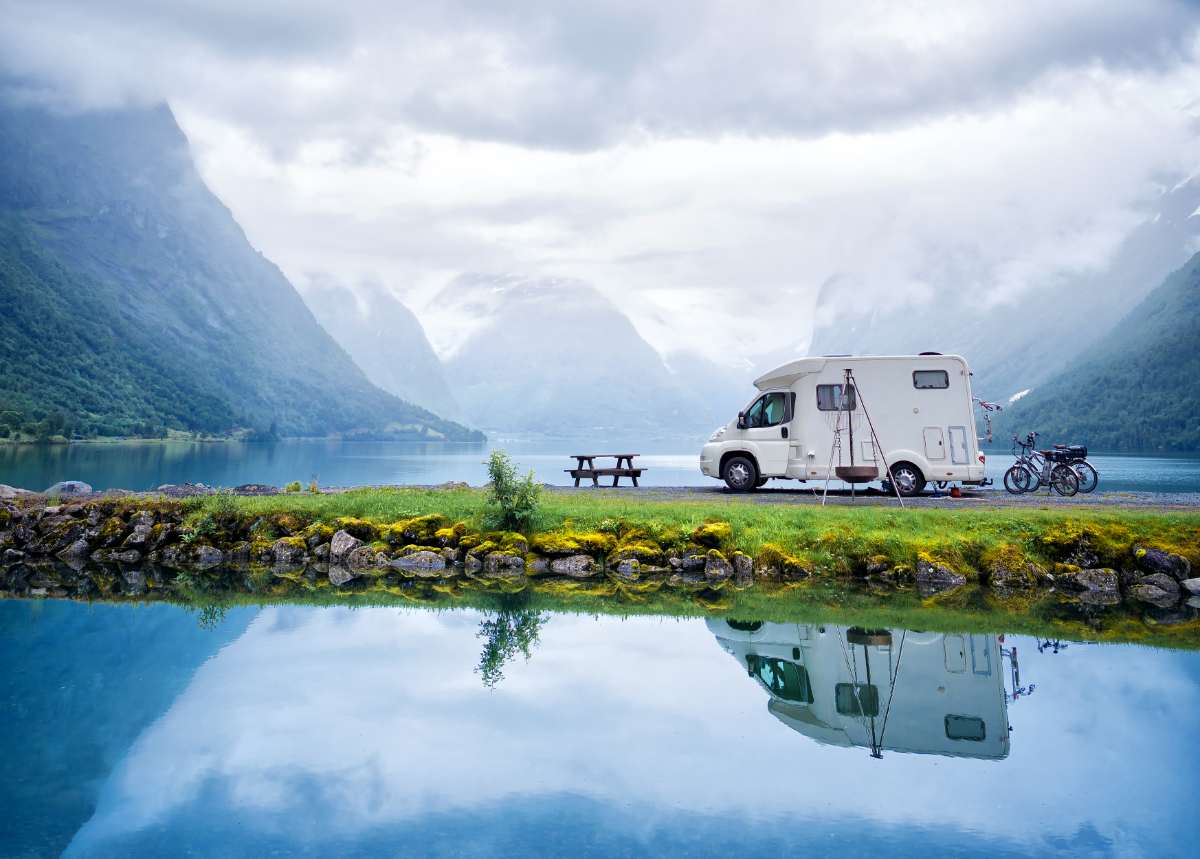
There is no better way to explore the island than via a camper, and 7 days in Iceland hits that sweet spot where you can at least get to experience most of the thrills and experiences the Land of Fire and Ice has to offer. But what does the best Iceland itinerary for 7 days look like?
For potential visitors to the island, this can be a bit confusing (especially considering how much there is to see and do here). However, for us locals, it’s pretty easy to distinguish the ‘absolute musts.’ That’s why we decided to help out and create the ultimate guide for those planning on cruising the island in a camper for 7 days. So, if this piques your interest, read on!
Why a Campervan is the Best Way to Explore Iceland in 7 Days
The reasons why a camper is the way to go for your Iceland road trip are numerous:
You’re the Master of Your Own Adventure
There’s no tour guide breathing down your neck or public transport schedules dictating when the fun must end. Behind the wheel of your own camper, you decide where (and when!) you go.
You’ve Essentially Turned Yourself Into a Slug (and It’s a Good Thing!)
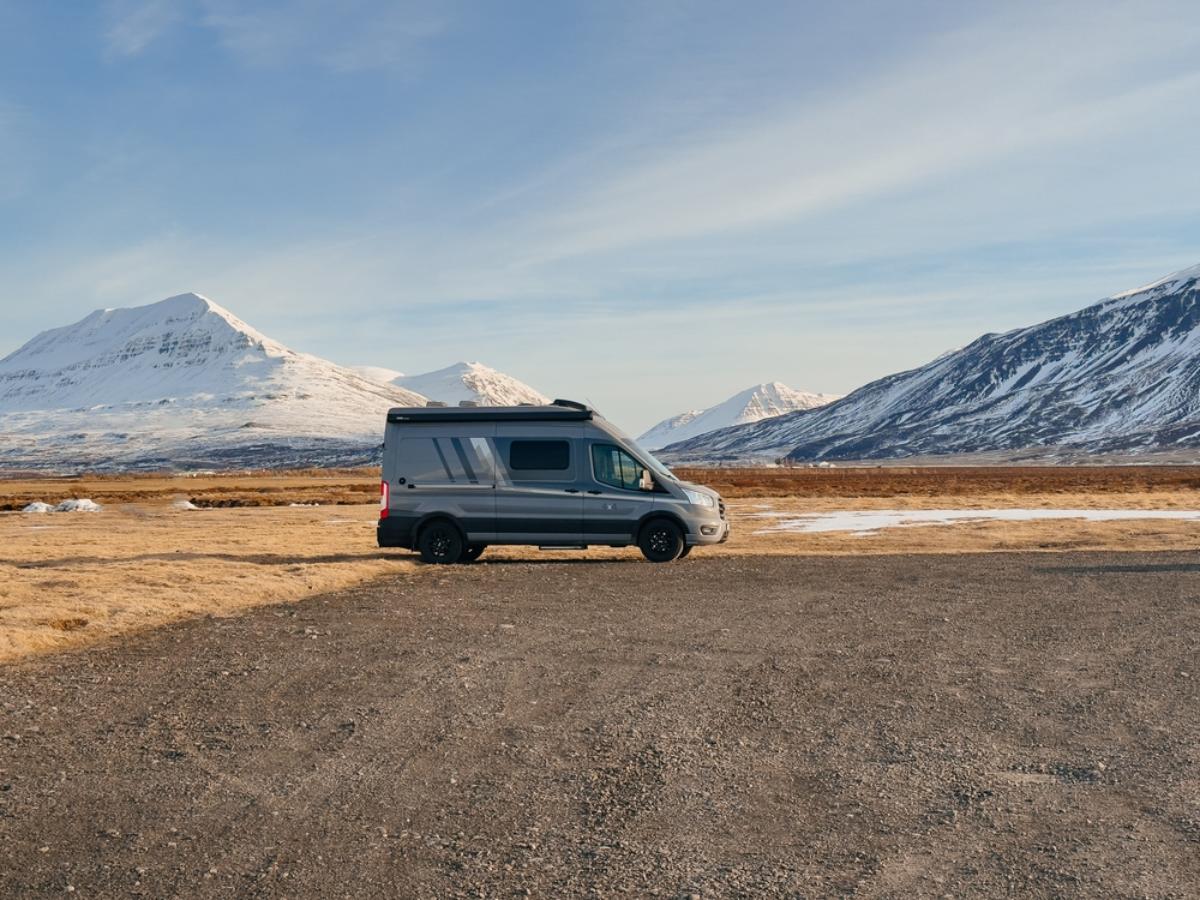
By renting a campervan, you will sort out both your transport and your accommodation. This means having everything you could possibly need always just a short walk away. Plus, there’s no endless packing and unpacking at every new stop.
It’s Super Budget-Friendly
One of the biggest expenses on any trip is accommodation. By renting a campervan, you’ve savagely slashed your accommodation expenses. You’re no longer paying $200+ per night for accommodation, but $20 at a super affordable and beautiful campsite instead. And if you visit during the months of May to September, you can get the Camping Card, which will simply rev up those savings even more!
How Much More Comfy and Convenient Can Things Get?!
When most people hear the word ‘campsite’ or ‘camping’, it triggers images of nightmarish childhood camps or Bear Grylls episodes. With a camper, all this goes away, and you’ll be living in comfort.
It Extends Camping Season
Most traditional campers will also begin losing out on their affordable accommodation options from around September already, as the weather shifts gears toward the winter months. However, because of a campervan's creature comforts and the fact that it offers much better shelter against the onslaught of the elements, you can take advantage of cheaper stays at campsites for much longer.
You Can Have a More Flexible Itinerary
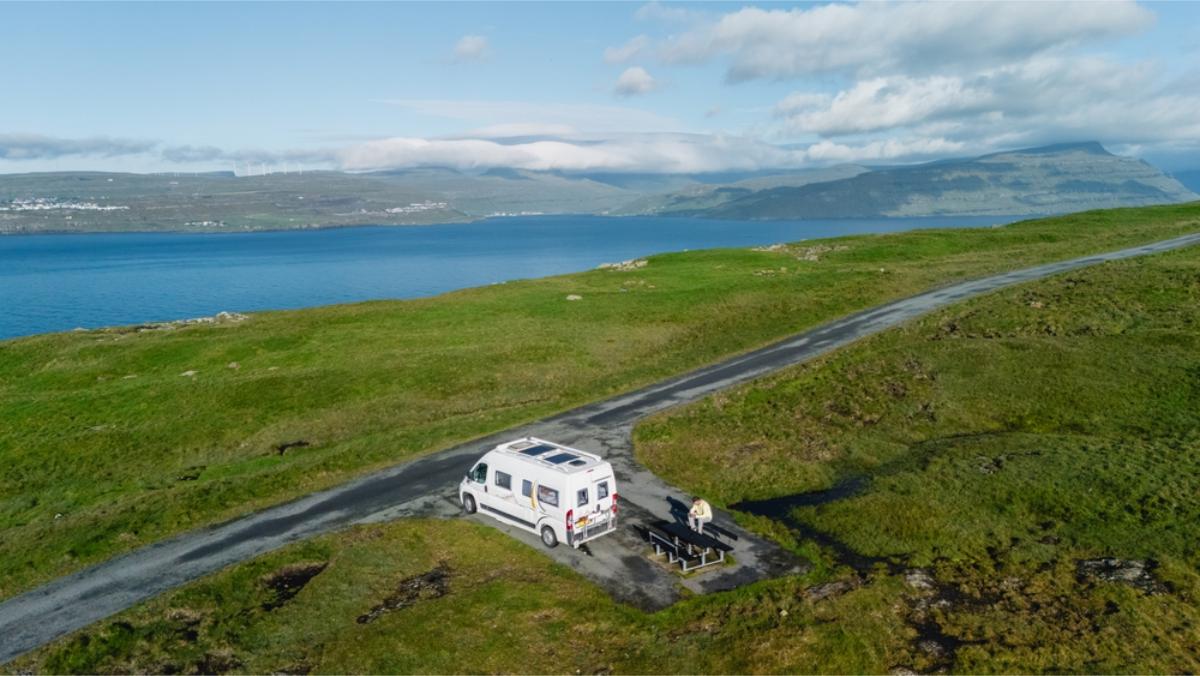
Because a camper is such a convenient way of road-tripping and staying around the island, it’s much easier to have a more flexible itinerary. You don’t need to be too concerned about hotels or guesthouses being fully booked (especially during our peak seasons), and you don’t have to have any pre-booked accommodation check-in times dictating what happens next. This way, you’re free to go wherever adventure takes you and decide how long you’d like to stay at certain spots.
It's the Best Way to Immerse Yourself in the Icelandic Landscape
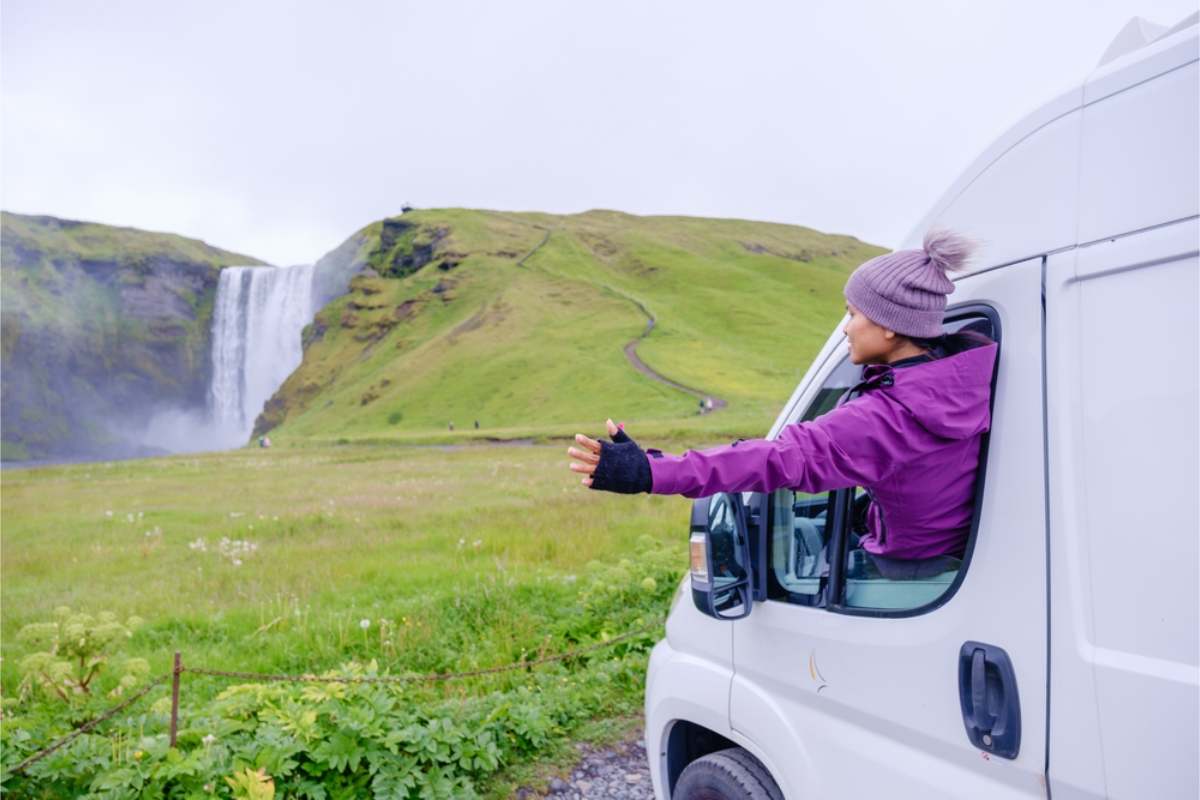
Not only will you be cruising the landscape, but you’ll have a front-row seat to some of our most incredible sights. For example, Skogar Campsite can literally have you opening your camper door to the breathtaking Skogafoss Waterfall!
It’s a Unique Experience
How many people can say they’ve road-tripped around in a camper or have spent a holiday doing vanlife? It’s definitely not the same-old-same-old, and you’ll be leaving the island with once-in-a-lifetime memories, which include your accommodation itself!
Before You Start Your 7-Day Iceland Campervan Itinerary
The following are important things to discuss and consider before officially planning your campervan trip itinerary:
The Best Time of Year for a 7-Day Campervan Trip
There is no one-size-fits-all when it comes to the best time of year for a 7-day campervan trip. This will ultimately depend on various factors such as:
Which Seasons and Weather Will Suit You Best?
All seasons have pros and cons here on the island, so it will really be up to which is most preferable. Just take note of the following:
| Reality Check for winter travel | What You Need to Know | Who This Season Is For | Who Should Visit in Summer Instead |
|---|---|---|---|
| Temperatures | Average daytime highs of -2°C to 3°C (28°F–37°F). | Travelers who own (and actually wear) thermal base layers. | Anyone who packs a "light cardigan" and calls it winter gear. |
| Road Conditions | Sudden closures, black ice, and snowstorms with zero warning. | Flexible planners who can pivot when the Ring Road shuts. | Rigid itinerary-lovers who need to be at a specific place on a specific day. |
| Weather Extremes | Winds of 35+ km/h are normal. Gusts can slam van doors and close mountain passes. | Calm, confident drivers who've handled snow and ice before. | Nervous drivers or anyone who finds highway merging stressful. |
| Daylight Hours | December: 4–5 hours of weak, low-angle light. | Photographers who love twilight vibes and aurora hunters. | Anyone planning 5+ hour drives or packed daily sightseeing. |
| Overall Vibe | Cosy, dramatic, intimate. Fewer crowds, more northern lights. | Self-sufficient adventurers who see weather as part of the experience. | Sun-seekers who equate holiday with warmth and endless golden hour. |
What Do You Want to Do and See?
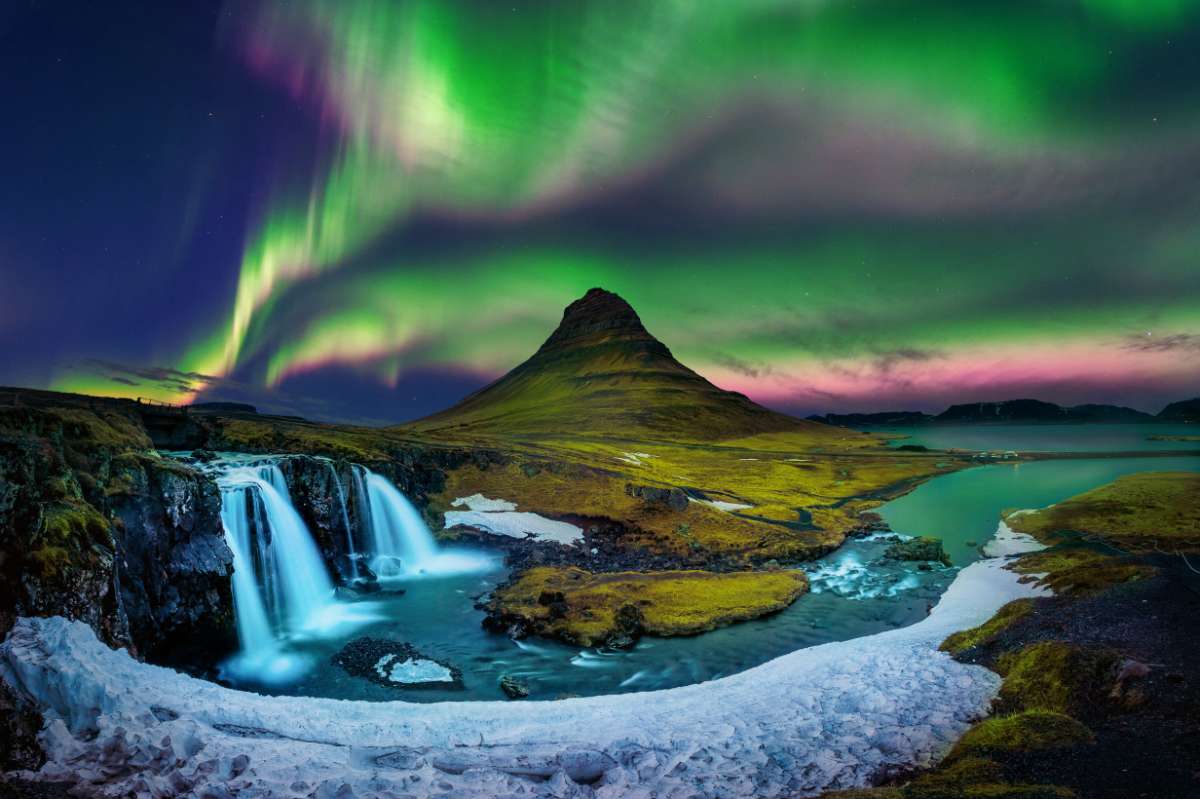
There are quite a number of attractions and activities that are seasonal here on the island. For example, our Northern Lights will only be visible during the colder months, with almost guaranteed sightings mid-winter. Our Midnight Sun phenomenon can only be experienced mid-summer.
Most of our ice caves are closed during the warmer months, and certain roads, such as the F-roads, are annually kept closed during the colder months (so, no Highlands and Westfjords for you). Ultimately, what you’d like to see and do here on the island will also dictate when the best time for you to visit will be.
Do You Get Easily Annoyed by Crowds?
If you’re someone who enjoys a little peace and quiet and can become easily frustrated with crowds or grow impatient with queues, then our summer season (June to August) and our festive season till after New Year might not be for you. This is considered our peak season, and everything from the roads and accommodation to our attractions can experience heavy traffic..
What’s Your Budget Looking Like?
If you’ve got limited funds, the summer or Dec/Jan period might also not be for you. Remember, peak season doesn’t just bring peak season crowds; it also brings peak season prices! However, if you’d still like the perks of certain seasons, but just at discounted rates, opt for shoulder months like May and September (for summer perks) and November and March (for winter perks).
Campervan vs Motorhome vs 4x4 Camper
If you’re planning on having a vanlife experience here in Iceland, you’ve got quite a few options to choose from. But a van can really make or break a trip, so you’ll need to choose the right van for your specific needs and requirements, and, of course, your itinerary. We’ve created a little cheatsheet to help make the decision easier:
|
Suitable for our paved, main roads such as the Golden Circle and the Ring Road. |
Yes. |
Yes. |
Yes. But if those are the only roads you’ll be driving, it seems like a bit of an overkill to cruise well-maintained main roads in a 4x4. |
|
Suitable for our gravel roads. |
Yes, as long as they are well-maintained. |
Yes, as long as they are well-maintained and not too narrow. |
Yes. |
|
Suitable for our F-roads (found in the Highlands and the Westfjords). |
No. It is also illegal to drive the F-roads with a 2WD. |
No. It is also illegal to drive the F-roads with a 2WD, and motorhomes are simply too big for these narrow mountain roads. |
Yes. |
|
Maneuverability |
Super maneuverable. These guys can zip in and out practically anywhere. |
Very little maneuverability. These guys are extremely chunky, and it can be an entire mission to get in and out of places. |
Super maneuverable. The fact that you’ve got additional wheel-power just makes it easier to navigate your way around the island. |
|
Fuel Usage |
The most bang for your buck. |
The worst (these guys guzzle up more fuel than a rock star downs shots at a party). |
Still a good deal, although being a 4-wheel drive will require the vehicle to work a little bit harder. So, you can expect to pay just a smidge more than you would for the 2-wheel version. |
|
Party Size |
Best for a couple or a small family of 4. |
Best for larger parties; families of 4 to 6 people or a group of friends (also up to 6). |
Best for a couple, small family of up to 5, or group of friends (also up to 5). |
|
Comfort & Space |
It can be a bit cramped. There will not be a lot of storage or living space. This is mostly for carrying around everything important, getting you from point A to point B, and sleeping. |
A motorhome is built with comfort in mind. Its big size is due to the fact that it takes living inside it into mind, not just sleeping. You’ll also have a bit more storage space. |
It can be a bit cramped. There will not be a lot of storage or living space. This is mostly for carrying around everything important, getting you from point A to point B, and sleeping. |
|
Beginner-friendly |
Yes. It’s not much bigger than a standard vehicle, so you’ll get around just fine. |
No. You need to have at least some prior experience in driving larger (and bulkier!) vehicles before taking on these beasts. |
Yes. Even if it’s your first time driving a 4x4, it will feel just like driving your car back home once you get the hang of it. |
Driving Distances and Daily Expectations
In a country like the Land of Fire and Ice, it’s easy to overdo it. It can be tempting to cram as much as possible into your trip itinerary or even persuade yourself that “yes, OF COURSE, I can drive 10 hours, snorkel the Silfra, check out 20 waterfalls, and go on a whale watching boat cruise in just 8 hours of daylight.” But this type of thinking will only land you in trouble. Here’s what you need to keep in mind:
- Your itinerary needs to reflect the daylight hours at your disposal. So, don’t compile an 8-hour itinerary if you’ll only have 4 hours of daylight (except for the obvious, when it comes to activities, you also don’t want to be driving in the dark, especially not in our remote areas).
- Don’t just take driving distances into account. You need to remember that you’ll be spending time at every stop. You’ll also add some additional time for any unplanned, impromptu stops along the way.
- Driving distance may not be that straightforward. You’ll need to take the weather and road conditions into account. Even the most well-maintained gravel road will result in slower and more cautious driving. So, consider the type of road you’re dealing with and always keep an eye on the Vedur website for our weather and the Umferdin website for the latest on our road conditions.
- It's also vital not to burn yourself out on your vacay. You’ll be surprised how many come to the island with very ambitious itineraries, only to be flat on their back by day 3.
Take it easy and take the time to cruise in your camper without any unnecessary pressures or stressors, and take your time at each stop to take full advantage of the experience and really savor the moment. Just take it a little easier; just because you have 20 hours of daylight at your disposal doesn’t mean you have to be running yourself absolutely ragged for 20 hours straight.
7 Days in Iceland Itinerary, Road Tripping by Campervan
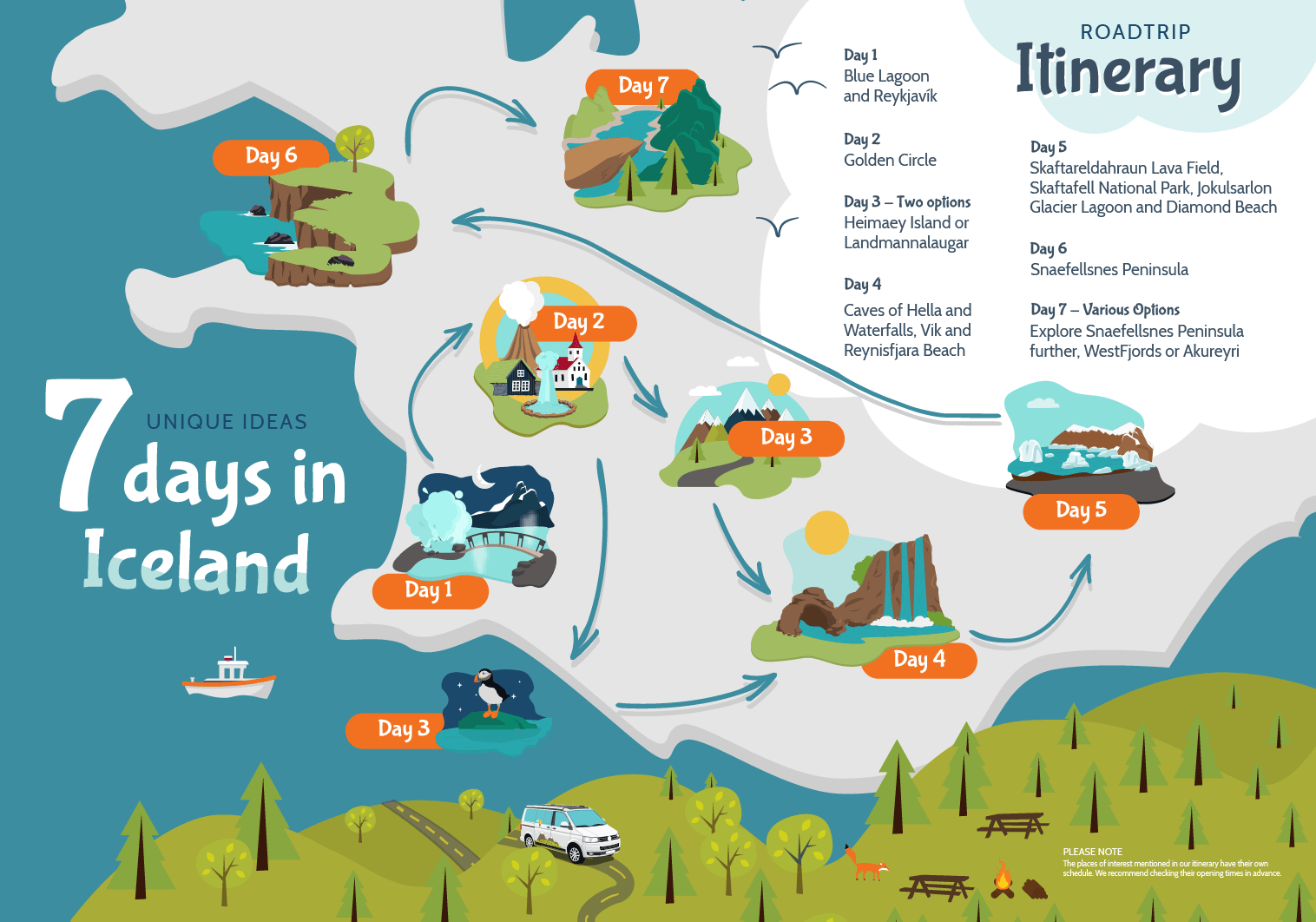
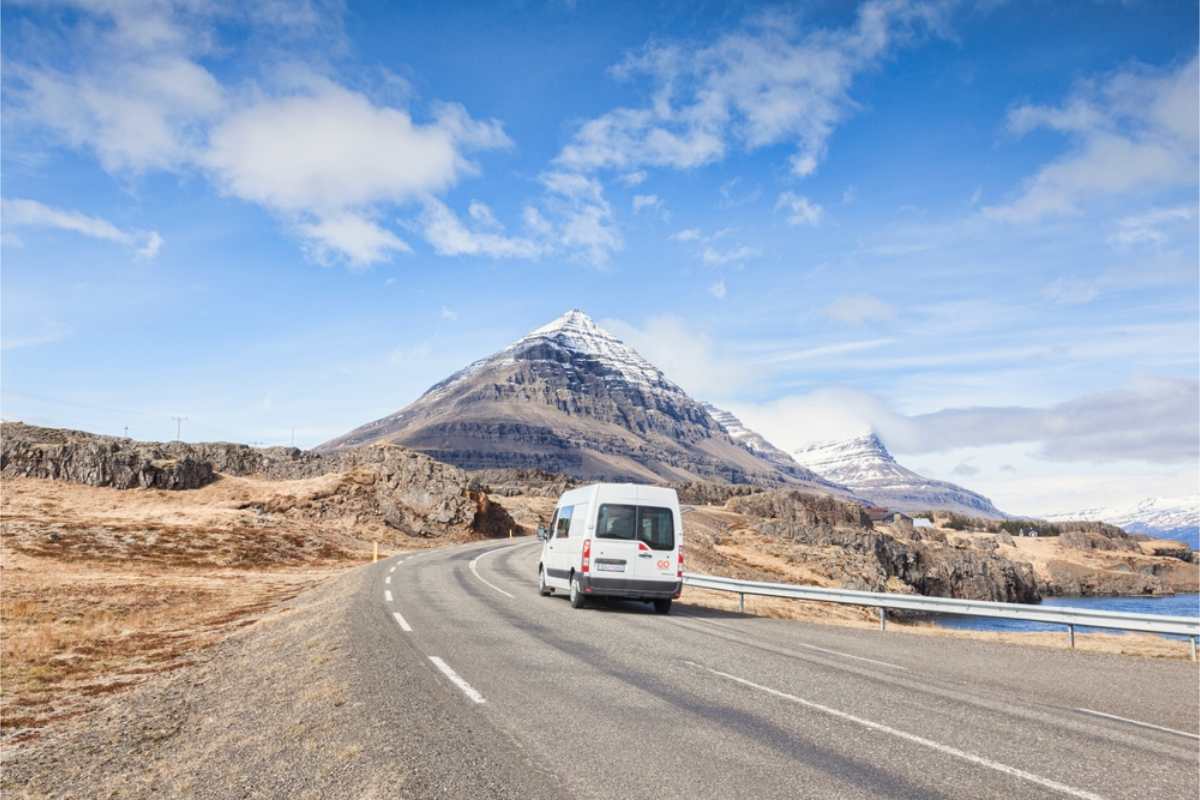
Below, we have compiled a sample itinerary for a 7-day campervan road trip around Iceland. You can use the itinerary as is or simply use it as inspiration for your own:
Day 1: The Blue Lagoon and Reykjavik
Driving Distance: 70.8 kilometers
Total Drive Time: +/- 1 hour, 8 minutes
The first day is all about finding your feet (except when you’re leisurely floating, of course). Upon arrival on the island, your first stop will be at the Blue Lagoon. This hot spot (pun intended) is probably our most famous hot spring with its unique aesthetic and scientifically proven healing waters and skin-soothing silica mud.
If you get here and things seem familiar, it’s because the Blue Lagoon has graced our screens many a time (Hostel, Star Trek, etc.) It’s also not just a place to float around; you can float up to the bar, grab a bite to eat at the restaurant, visit the spa, and even take some of these miracle treatments home with you.
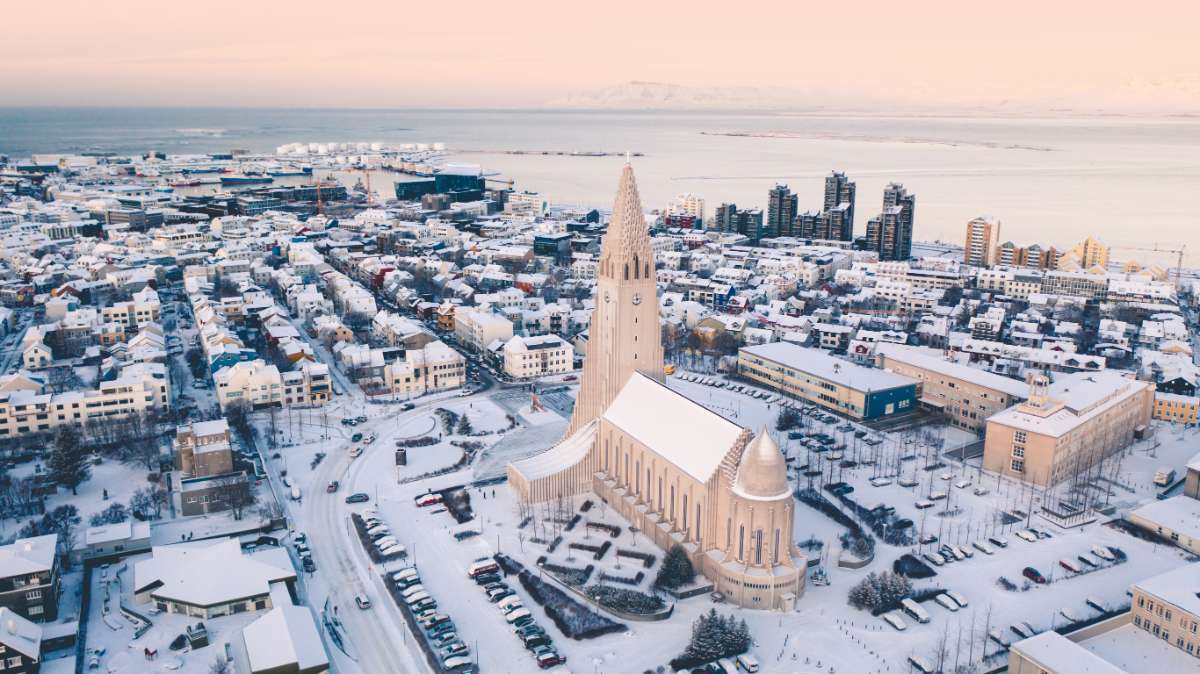
Once you’ve finished up at the Blue Lagoon, head over to the capital city for a day of exploration. There’s so much to see in Reykjavik that you simply won’t be able to jam everything into today, so you’ll need to make your picks. Some of the recommended sites include:
- Hallgrimskirkja
- Harpa Concert Hall
- The Old Harbour and the Sun Voyager sculpture.
- The National Museum
- Nautholsvik Beach
- Perlan
- Reykjavik Maritime Museum
- FlyOver Iceland
- Whales of Iceland
Sleep over at: Reykjavik Eco Campsite
Day 2: The Golden Circle
Driving Distance: 195 kilometers
Total Drive Time: +/- just over 3 hours
Today you’ll be hitting the Golden Circle with all its golden moments along the way. Be sure to explore the beautiful Thingvellir National Park, home to Iceland’s first parliament. Do something daring and go snorkeling in the Silfra Fissure, where you can lie suspended between two continents in crystal clear glacier water (all gear is supplied).
Check out Geysir, the OG of all geysers, and his impressive brother, Strokkur, which still launches hundreds of liters of boiling hot water into the air every 10 minutes or so. Stand in awe at our incredible Gullfoss Waterfall, and admire the power of nature as you visit Kerid Crater with its milky, bright blue water.
Sleep over at: Camping Selfoss.
Day 3: Heimaey Island or Landmannalaugar
Time to make some decisions. You can either head over to Heimaey (also known as the Westman Islands) or go on a geothermal hiking adventure in Landmannalaugar. You’ll have to make the decision based on personal preference, but we would like to recommend Heimaey if you’re visiting during our Puffin season (May to August).
Option 1: Heimaey
Driving Distance: 148.3 kilometers
Total Drive Time: 2 hours 27 minutes
Drive down the south coast to catch the Herjolfur Ferry from Landeyjahöfn to the Westman Islands. The trip will take roughly 40 minutes, and, yes, you can bring the camper.
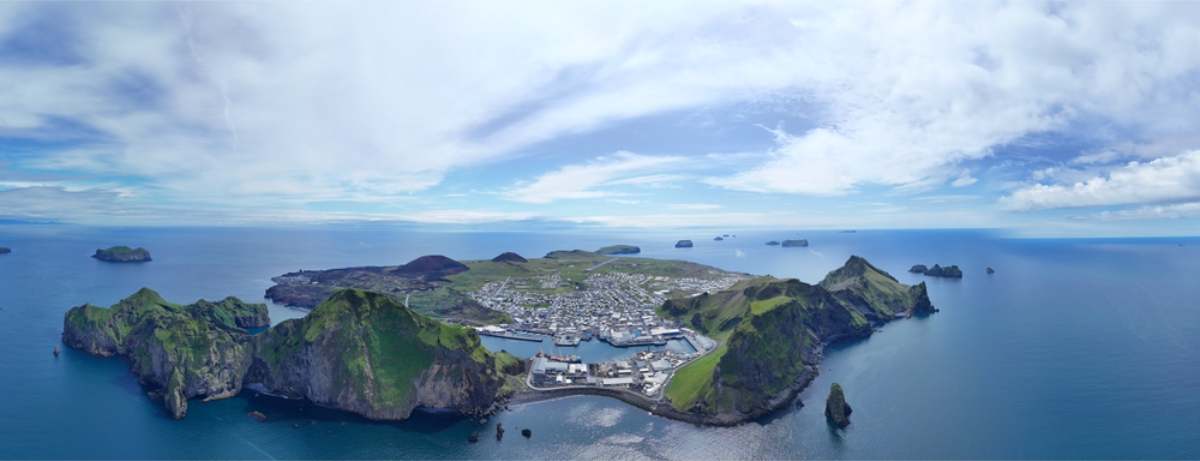
Although the Westman Islands are small and many say you’ll be able to explore the island on foot, it’s much easier with a vehicle (what many don’t tell you is that walking distances can be about an hour apart!). Below are our top picks when it comes to things to see and do on the Westman Islands:
- Hike to Eldfell Volcano (although not a good idea for tots or the elderly, it’s an easy enough hike for most to take on).
- Check out the Puffins at Storhöfdi (if you’re visiting during Puffin season).
- Check out Elephant Rock via the golf course.
- Hike Heimaklettur Hill (this is a bit of a challenging hike due to the steep incline).
- Stop by Urdaviti Lighthouse.
- Visit the Beluga Whale Sanctuary.
- Check out the Eldheimar Museum.
Sleep over at: Somewhere near Landeyjahöfn (for example, Gaddstadaflatir Campsite).
Option 2: Landmannalaugar
Driving Distance: +/- 140 kilometers (depending on which stops you decide on)
Total Drive Time: +/- 2 hours, 48 minutes (depending on which stops you decide on)
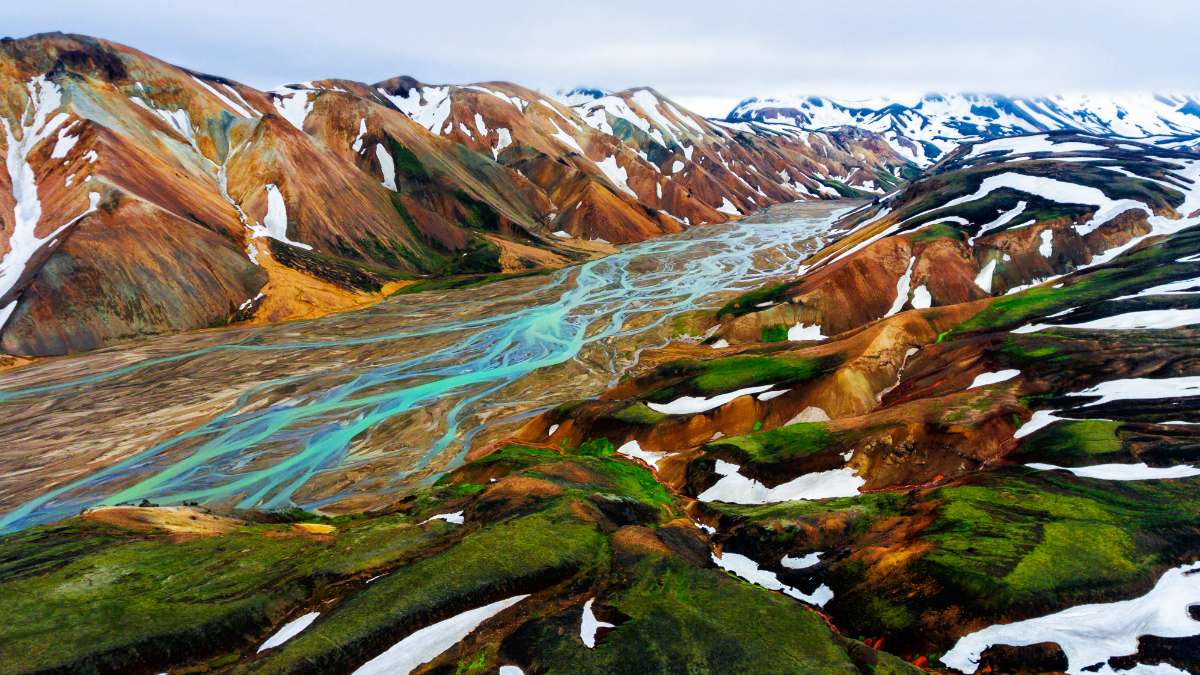
Firstly, just keep in mind that exploring Landmannalaugar will require driving on the F-roads. This means you’ll need a 4x4 camper. Not just because the roads are pretty rough-and-tough, but also because it’s illegal. It’s also important to note that the F-roads are only open during the summer months, so if you’re planning on visiting the island any other time, you only have Option 1 available to you.
The entire point of visiting Landmannalaugar is traversing its colorful landscape, so if you’re not such a fan of walking, Option A might also be your jam instead. A few of the hikes you can consider on your visit today are:
- The Laugahraun Lava Field Loop (an easy hike that will take no more than 2 hours).
- The Blahnukur (Blue Peak) Trail (a moderate hike that will take no more than 3 hours).
- The Brennisteinsalda (Sulfur Wave) Trail (a moderate hike that will take no more than 3 hours).
The above-mentioned already includes numerous Landmannalaugar highlights along your walk, but a few other stops you can consider in the area are:
- The People’s Pool
- Grænihryggur (aka the Green Ridge)
- Ljotipollur Crater
Sleep over at: Hella Campsite (just keep in mind that traveling to your sleepover stay will require 2.5 hrs driving time).
Day 4: The South Coast
Driving Distance: 135 kilometers
Total Drive Time: 2 hours, 2 minutes
The South Coast is a definite favorite among road-trippers with its breathtaking views and incredible sights. You’ll be traveling on the main road (Route 1, aka the Ring Road) down the coast. The highlights you’ll find along the way include:
- Seljalandsfoss Waterfall
- Gljufrabui Waterfall (just a short walk from Seljalandsfoss)
- Solheimasandur Plane Wreck
- Skogafoss Waterfall
- Dyrholaey Rock Formation
- Reynisfjara Black Sand Beach
Sleep over at: Vik Camping
Day 5: Continuing the South Coast Drive to Icy Adventures
Driving Distance: 388 kilometers
Total Drive Time: 4 hours, 54 minutes
Today you’ll continue your cruise along the south coast to the following icy adventures:
- Svartifoss Waterfall
- A Skaftafell Glacier Hike (These are only done via guided tour due to safety reasons, and all gear is supplied. Depending on the tour you choose, it can take between 1.5 and 3.5 hours).
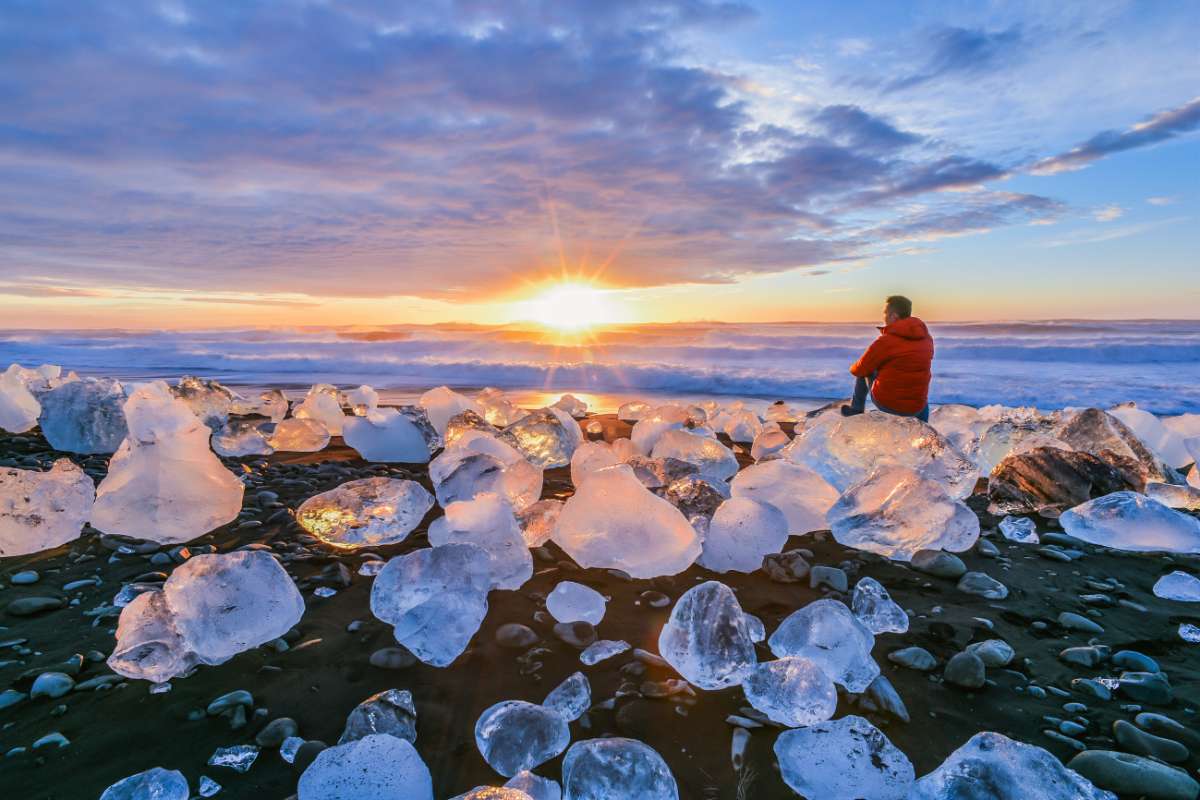
- Jokulsarlon Glacier Lagoon (if you take one of the boat tours, it’ll take about 1.5 hours).
- Diamond Beach (the Glacier Lagoon’s neighbor).
Sleep over at: Second night at Vik Camping (once again, this will be a long drive, over 2 hours, so take that into account when spending time at the various attractions).
*** As you can see, today is an ambitiously optimistic driving day, so you’ll need to start your drive very early in the morning. If you’d like to take it a little easier, simply pick one or two of the highlights mentioned above or you can even consider another overnight spot. Just double-check how your overnight stay will impact tomorrow’s itinerary and driving time.
Day 6: Snæfellsnes Peninsula
Driving Distance: 370 kilometers
Total Drive Time: 4 hours, 52 minutes
Snæfellsnes Peninsula is referred to as “mini Iceland” because it offers visitors a taste of practically every landscape and experience you can have on the island. The following are a few stops you’ll come across today:
- Ytri Tunga White Sand Beach (famous for its seal colony).
- Bjarnafoss Waterfall
- Budakirkja (aka the ‘Black Church of Budir’)
- Raudfeldsgja Gorge
- Arnarstapi Cliffs
- Arnarstapi Village
Sleep over at: Arnarstapi Camping
Day 7: Snæfellsnes, Westfjords or Akureyri?
Driving Distance: 153 kilometers
Total Drive Time: 2 hours, 30 minutes
Because Snæfellsnes is so conveniently located almost mid-island, we always have some asking us if they could cram in a last mission to either the Westfjords or Akureyri from here. But there are a few things to keep in mind: this is your last full day here on the island, whether you’re planning on leaving later in the evening or early the next morning.
The Westfjords is roughly a 3.5-hour drive from the Snæfellsnes (even longer from where you stayed at Arnarstapi Camping), and then you haven’t even begun exploring yet. You also need to remember that the Westfjords is a remote region where you’ll rarely find any paved roads, making exploration slower.
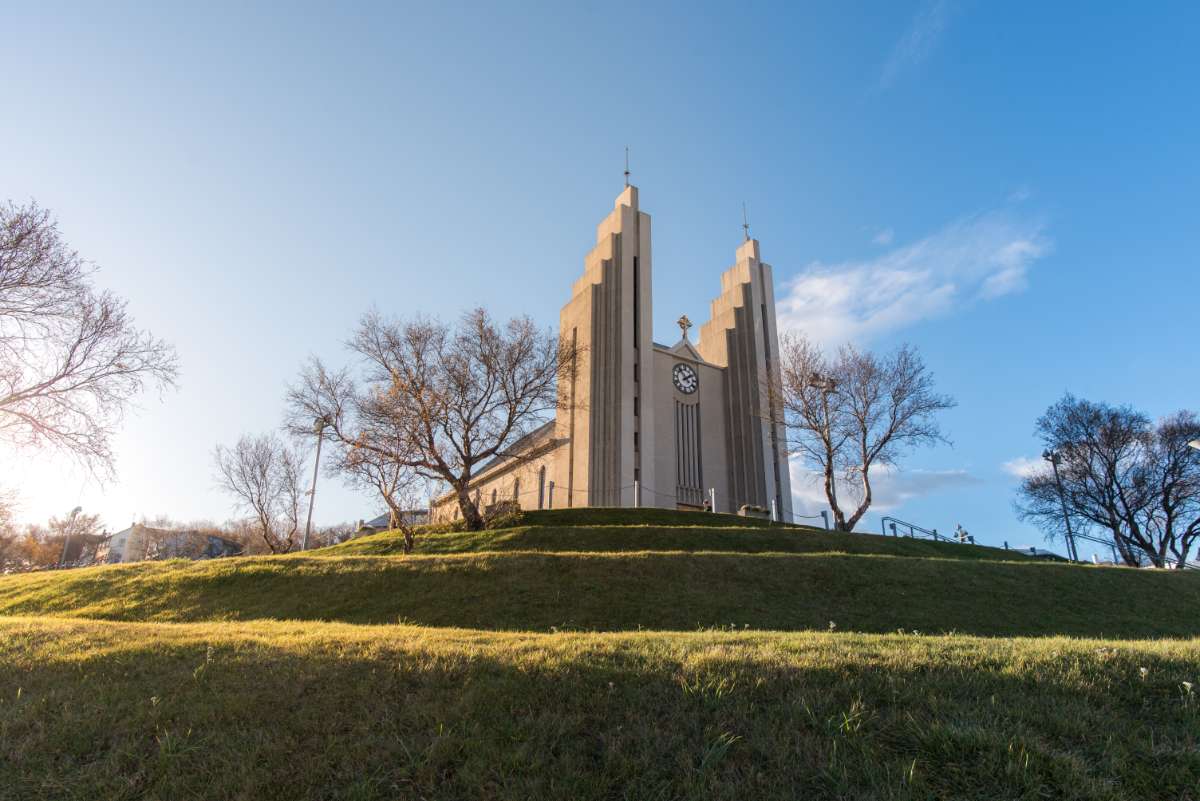
So, if you weigh up all the pros and cons, a trip to the Westfjords might technically be possible if you have plenty of daylight hours, but you’ll inevitably put yourself under immense time pressure. The same goes for Akureyri. From Snæfellsnes, Akureyri is 4.5 hours away (from Arnarstapi Camping even further), and trying to just get back to the capital will take about 5 hours!
So, unless you’re dead set on literally just driving through Akureyri and taking a few snapshots while continuously moving, it seems like a bit of a waste. That’s why our personal recommendation would be just to continue exploring Snæfellsnes before making your way back towards Reykjavik. This would entail the following:
- Exploring Snæfellsjökull National Park, where you’ll get to see the Londrangar Cliffs (a birder’s paradise), Djupalonssandur Beach, Saxholl Crater, and Skardsvik Beach.
- The coastal village of Hellisandur.
- Kirkjufell Mountain and its beautiful waterfall, Kirkjufellsfoss.
- Landbrotalaug Hot Springs.
If you’re flying out later today, we recommend you keep a close eye on the time spent in Snæfellsnes, so you can ensure you have enough time for the drive back (roughly 2 hours) as well as enough time for campervan drop-off and flight check-in procedures.
As an alternative solution, you can sleep over at Snorrastadir Campsite and drive out for a morning flight the next day. But then you’ll obviously be adding an extra day to your itinerary.
Campsites and Overnight Tips for This 7-Day Route
Here’s a quick overview of each recommended campsite so you know what to expect:
- Reykjavik Eco Campsite – this is a next-level campsite in the middle of the city, offering all sorts of facilities and amenities: restrooms, showers, kitchen facility, laundry facilities, and more.
- Camping Selfoss – another site with many facilities and amenities: restrooms, showers, kitchen facilities, laundry facilities, campervan disposal site, and more.
- Gaddstadaflatir Campsite – this is a much more basic campsite, but it’s so close to town that it really doesn’t matter much. However, you’ll still find toilet facilities and kitchen facilities here.
- Hella Campsite – another, more basic campsite, but with more than enough facilities and amenities you’ll need: restrooms, kitchen facilities, laundry facilities, and playgrounds.
- Vik Camping - this is a more basic campsite, but it’s so close to town that it really doesn’t matter much. However, you’ll still find restrooms, showers, and laundry facilities here.
- Arnarstapi Camping – extremely basic campsite, so expect only restrooms and showers.
- Snorrastadir Campsite – a more basic campsite, but you’ll still find restrooms, showers, and kitchen facilities here.
A Few Helpful Camping Tips
| Topic | Do This | Don't Do This | Why It Matters / Pro Tip |
|---|---|---|---|
| Overnight Parking | Use only clearly marked overnight parking spots. | Never park overnight in regular car parks or roadside pull-offs. | Fines are steep. If it's not signed for camping, it's illegal. |
| Wild Camping | Stay only at designated campsites. | Do not camp outside official campsites—it's been illegal since 2015. | Ignorance isn't an excuse. Consequences hurt your wallet and the environment. |
| Wastewater (Greywater) | Empty only at designated campervan disposal stations. | Never dump greywater on the ground, in drains, or in nature. | Even "just soapy water" damages ecosystems. Check if your campsite has a dump station. |
| Leave No Trace | Pack out all rubbish and stay on marked paths. | Don't trample moss or drive off-road. | Iceland's moss takes decades to recover. Treat the landscape like a gallery. |
| Treat Overnight Stays as a Reset | Refill water, dump waste, charge devices, restock supplies. | Don't assume you'll find services at the next stop. | Use campsite stops strategically. Towns = fuel, food, and fresh water. |
| Campsite Facilities Vary | Always check if a site has power hookups, water, and showers. | Don't assume every campsite offers the same amenities. | Electricity may cost extra—or not be available at all. Check before you book. |
| Water Refills | Top up your fresh water tank at every opportunity. | Don't forget: your camper needs water for drinking, dishes, cooking, and the loo. | A full tank = freedom. Don't get caught dry in the highlands. |
| Showers | Confirm whether showers are included or paid separately. | Don't arrive with coins expecting them to work everywhere. | Some campsites include showers in the site fee; others charge per minute. Ask ahead. |
Seasonal Variations for this Iceland 7-Day Itinerary
As you may have probably already noticed throughout reading our guide, there are many things that are impacted by the seasons and the weather here in Iceland. Here’s what you need to keep in mind so you can adjust your 7-day itinerary accordingly if needed:
Summer Considerations
Summer can offer 20+ hours of daylight a day, so you can afford a few extra stops along the way if you’d like.
Since the summer is essentially the only time the F-roads are open, we highly suggest you add the Highlands and the Westfjords to your itinerary if you’re planning on visiting during this time. These breathtaking, remote regions are well worth the visit.
Summer can also turn your itinerary on its head a bit with all the daylight hours. Many people really struggle with their circadian rhythm. So we recommend setting alarms for both sleep time and when it’s time to wake up. Also, bring along a sleep mask. If you can’t fall asleep, you might not be able to wake up or have the energy needed for your itinerary the next day.
Winter Considerations
During winter, disruptive weather conditions and poor road conditions can really do a number on a trip itinerary. So, always stay a bit flexible and keep a close eye on the weather forecast and road conditions.
As we already mentioned, the F-roads will be closed. But we just want to emphasize that you shouldn’t even attempt accessing these roads (even with a 4x4). You WILL get in trouble, and the odds of being rescued any time soon are not in your favor.
Remember to keep a close eye on the daylight since you’ll have very little to work with (just a mere 4 hours mid-winter!), and if you ever see, the darkness is going to catch up with you, rather adapt your itinerary to stay on the safe side.
In winter, it’s generally recommended that you opt for a 4x4 camper - it will simply give you better handling and grip when it comes to dealing with our harsher weather conditions such as winds, ice, and snow on the road (even though our main paved roads are salted and scraped fairly regularly).
Also take special precaution with your overnight stays. Don’t just assume that a campsite is open or fully operational. Many of our campervan campsites are either closed or operating at limited capacity during the winter season.
Shoulder Month Considerations (March to May and September to November)
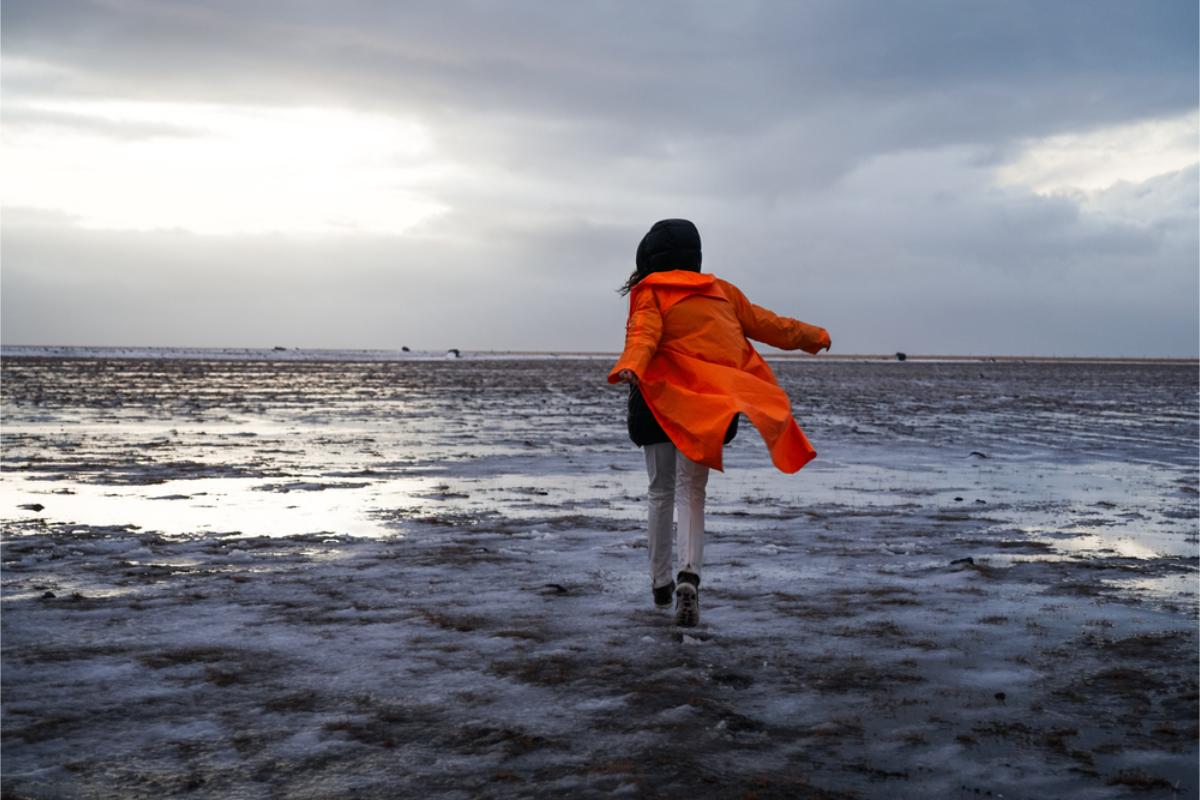
Since each shoulder month will hold unique characteristics of certain seasons, you’ll need to double-check and ensure you are able to do and see everything on your Iceland wishlist.
The same goes for daylight hours. Do your research so you don’t end up with an itinerary that needs 10 hours of daylight a day when you only have 6.
You’ll also need to check road conditions to see if a 4x4 might not be the better option for your trip. For example, March and early April may still have some lingering winter remnants in the form of snow and ice, and our harsher weather conditions can come as early as October if you’re planning on traveling the north of the country. It’s also during these months that your itinerary needs to be a bit more flexible since you never know when a sudden road closure comes your way.
As winter shoulder months, some campsites may be closed during November and March or just operate at a limited capacity throughout the shoulder season since it’s technically considered the “down” season. Always remember to check with the campsite ahead of time.
Common Mistakes When Planning a 7-Day Campervan Trip in Iceland
Below are a few of the most common mistakes visitors make when on a 7-day campervan road trip:
| Mistake | Why It's a Problem | Smarter Move | Pro Tip |
|---|---|---|---|
| Ignoring overnight parking & camping laws | Quickest way to feel unwelcome and end up broke. Fines are severe. | Only stay at clearly marked overnight spots or official campsites. | If it's not signed for camping, it's illegal. Full stop. |
| Underestimating daylight hours | Driving in the dark = higher risk, especially in remote areas. | Be realistic about how far you can travel before sunset. | Don't get greedy. That "one more stop" can cost you safety. |
| Underestimating driving times | Iceland's roads are slower than maps suggest. Mishaps happen. | Build buffer time into your itinerary. | A conservative plan leaves room for spontaneous waterfalls and coffee breaks. |
| Choosing the wrong vehicle | You find an epic F-road... but your 2WD can't handle it. Or you lack basic facilities. | Match your camper to your actual route and needs. | Homework now saves regret later. Be honest about where you're really going. |
| Not checking weather & road conditions | Surprise storms. Closed roads. 200 km of wasted driving. | Check Road.is and Vedur daily. | Iceland's weather changes fast. "I didn't know" doesn't reopen a road. |
| No backup maps (physical or offline) | Tech fails. Signals drop. Suddenly you're navigating blind. | Download offline maps (Google, Maps.me) and carry a physical road atlas. | Your phone is not enough. Trust us on this one. |
| Skipping the right insurance | One gravel chip on the South Coast = expensive repair bill. | Sand & Ash and Gravel Protection aren't optional for most routes. | Ask your rental agent. We don't work on commission—we work on keeping you covered. |
| Not confirming facilities & fees | You arrive. No power hookup. Showers cost extra. No water refill. | Check campsite amenities before you book or arrive. | Electricity often costs extra. Water isn't guaranteed. Assumptions are expensive. |
FAQs About a 7-Day Iceland Campervan Itinerary
Below are the answers to a few of the most frequently asked questions we get about a 7-day Iceland campervan itinerary:
Is 7 Days Really Enough for a Campervan Road Trip Around Iceland?
Look, you’ll need years to truly see and do all the incredible places and things here in the Land of Fire and Ice, but 7 days is a good start. You’ll at least be able to get a taste of most things here on the island.
Can We Stop and Sleep Anywhere With Our Camper in Iceland?
No, you can only park in designated and clearly-marked parking spots, and only camp in designated and clearly-marked camping spots.
Do You Need a 4x4 for a 7-Day Campervan Road Trip in Iceland?
Your itinerary and when you plan on visiting will establish whether you need a 4x4. If you’re planning on sticking to cities and towns, paved main roads, and well-maintained gravel roads, a 2WD should be fine. If you’re planning on traveling during our colder months or you’re planning on driving our more rough-and-tough roads, including the F-roads, you will need a 4x4
Which Popular Road Trip Routes Can I Drive in a Camper?
Practically all of them: the Golden Circle, the Ring Road, the South Coast Way, the Diamond Circle, and the Westfjords Way. Just make sure whether you’ll need a 2-wheel drive or a 4x4.
Should We Do the Blue Lagoon on Arrival or Before We Leave?
It really doesn’t matter; it’s entirely up to you. You can even do both if you’d like! Because the Blue Lagoon is so conveniently located between Keflavik Airport and Reykjavik, it’s an easy stop to make along the way. Just keep drop-off and check-in times in mind if you plan a visit on departure day.
What Insurance Should We Get for a 7-Day Campervan Road Trip Around Iceland?
This will solely depend on your trip itinerary and the season you’re planning on visiting the island. Please discuss with your rental agent, and also remember that certain insurance is already included in your rental package.
Make Your 7-Day Iceland Campervan Trip a Reality!
After reading our guide, you honestly can’t be more prepared for your 7-day Iceland campervan road trip. You know what to do, what to consider, what to ask, and what to research. So, get planning, book your flight, and rent your campervan in Iceland – the island’s waiting!